Introduction to Through-Beam Photoelectric Sensors
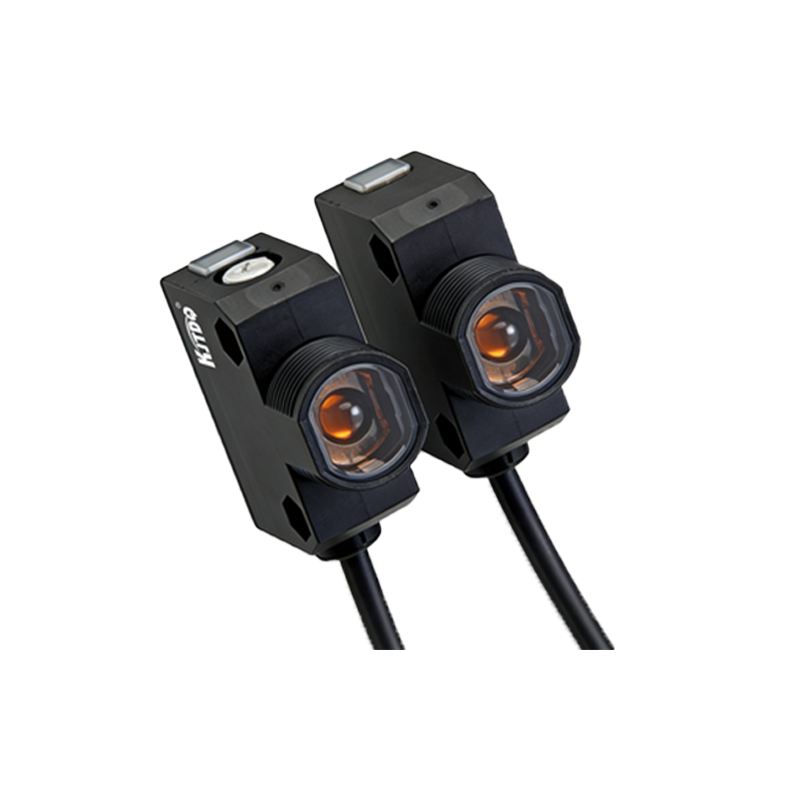
Through-beam photoelectric sensors, also known as opposed-mode sensors, are a cornerstone in industrial automation for precise object detection. HuayiFeng, a recognized brand in the electrical engineering sector, offers robust through-beam sensors designed for long-range, high-accuracy applications. These sensors consist of two separate units: an emitter and a receiver. The emitter projects a continuous beam of light, typically infrared or visible red, directly toward the receiver. When an object interrupts this light path, the sensor triggers an output signal, indicating detection. This configuration provides superior reliability compared to reflective or diffuse sensors, as it is immune to ambient light interference, color variations, and surface reflectivity of the target.
Key Features and Technical Specifications
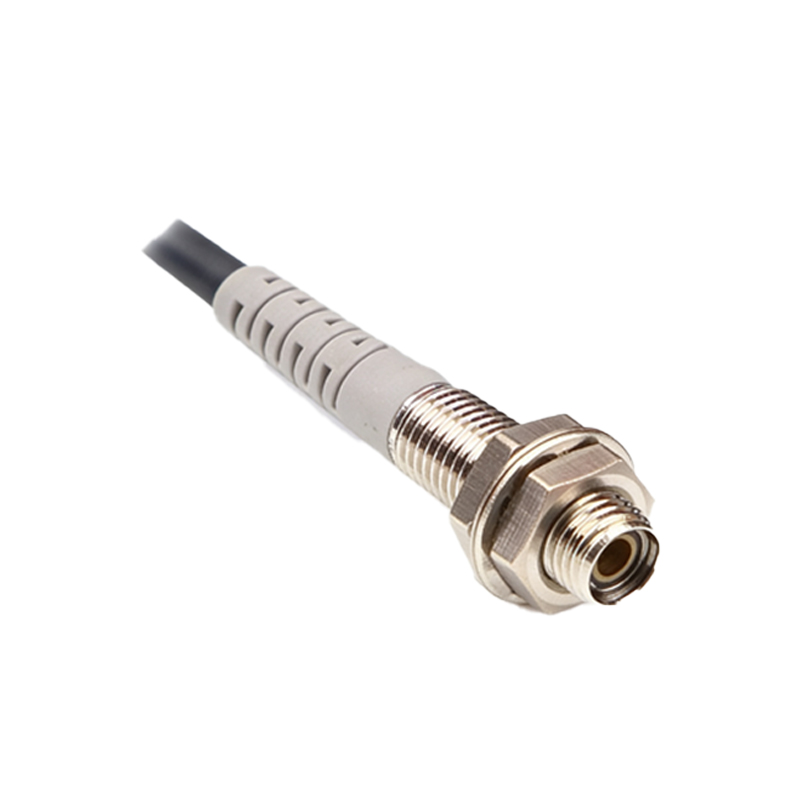
HuayiFeng through-beam sensors are engineered for demanding environments. They typically feature a detection range exceeding 10 meters, with some models reaching up to 30 meters, ideal for conveyor belts, door automation, and material handling. The sensors operate on a wide supply voltage range, commonly 10-30 VDC, and offer NPN or PNP transistor outputs for seamless integration with PLCs and controllers. Response time is exceptionally fast, often under 1 millisecond, ensuring precise timing in high-speed production lines. Additionally, they are protected against reverse polarity, short circuits, and overcurrent, enhancing longevity. The housing is usually made of nickel-plated brass or polycarbonate, rated IP67 for dust and water ingress protection, making them suitable for washdown environments in food processing or automotive assembly.
Installation and Alignment Considerations
Proper installation is critical for through-beam sensors to achieve optimal performance. The emitter and receiver must be aligned precisely along a straight line without obstructions. HuayiFeng provides alignment indicators, such as LED lights, to simplify this process. For long-range applications, use a laser pointer or alignment tool to ensure the beam is centered on the receiver lens. Avoid mounting near vibrating machinery, as misalignment can occur. Cable routing should be separated from high-voltage power lines to prevent electromagnetic interference. We recommend using brackets with adjustment screws for fine-tuning the angle in tight spaces. Regular cleaning of lenses is necessary in dusty or oily environments to maintain signal strength.

Typical Industrial Applications
HuayiFeng through-beam sensors excel in applications where reliability outweighs cost. In packaging lines, they detect product presence or absence on conveyors, triggering reject mechanisms. In warehouse logistics, they monitor pallet positions in automated storage and retrieval systems. Automotive plants use them for precise part counting or collision avoidance in assembly robots. They are also common in elevator door safety systems, where the beam ensures no objects are trapped. Unlike diffuse sensors, they can detect transparent objects like glass bottles or clear plastic films, which reflect little light. This versatility makes them a preferred choice for quality control in pharmaceutical and beverage industries.
Advantages and Limitations Compared to Other Sensor Types
The primary advantage of through-beam sensors is their long-range detection, exceeding 20 meters in many HuayiFeng models, and immunity to target color, surface texture, or angle. They are less prone to false triggers caused by dust or steam compared to retro-reflective sensors. However, the separate emitter and receiver require additional wiring and mounting space, increasing installation complexity. They cannot detect objects that are smaller than the beam diameter near the receiver, and the sensor is blind if the receiver is not receiving the beam due to misalignment. For short-range applications (under 1 meter), diffuse or capacitive sensors may be more cost-effective. Despite these limitations, for critical applications requiring high reliability, through-beam remains the gold standard.
Selection Guidelines for HuayiFeng Sensors
When selecting a HuayiFeng through-beam sensor, consider the following parameters: detection distance, output type (NPN vs. PNP), cable length, and environmental conditions. For dusty environments, choose a model with a longer wavelength (infrared) for better penetration. For high-temperature applications (over 50°C), verify the sensor’s operating temperature range, typically -25°C to 55°C. Check the beam type: visible red beams simplify alignment but may be less invisible for security applications. HuayiFeng offers customizable connectors (M8, M12) for quick disconnection. Always refer to the datasheet for specific load current ratings, typically 100 mA to 200 mA, to avoid overloading the output.
Troubleshooting Common Issues
Common issues with HuayiFeng through-beam sensors include intermittent detection or no output. First, verify power supply voltage and polarity. Check for visible damage to the lenses or housing. Clean the lenses with a soft cloth and isopropyl alcohol. Re-align the emitter and receiver using the alignment indicator. If the sensor is exposed to strong sunlight or other ambient light sources, install a hood or shield. For cable faults, use a multimeter to test continuity. If the output remains stuck, a short circuit in the load or internal damage may have occurred; replace the unit. HuayiFeng offers technical support and spare parts for most models.
Conclusion and Future Trends
HuayiFeng through-beam photoelectric sensors offer a reliable solution for industrial automation, combining long-range detection with robust construction. As industries move toward Industry 4.0, future sensors may integrate IO-Link communication for real-time diagnostics and parameter adjustment. Miniaturization will allow installation in tighter spaces, while improved optics will enhance detection of small objects. For engineers seeking a balance between performance and cost, HuayiFeng remains a competitive choice. Adhering to installation best practices ensures maximum uptime and reduces maintenance costs in production environments.