Form Factor Variations in Housing Designs
The external appearance of photoelectric sensors primarily reflects their intended mounting and environmental conditions. Cylindrical housings, often made of stainless steel or threaded metal, are common for confined spaces and harsh washdown environments. Rectangular or block-style sensors, typically constructed from reinforced plastic or die-cast zinc, offer easier alignment and more robust optical windows for long-range detection. The choice between these shapes directly impacts installation flexibility and resistance to vibration or chemical exposure.
Optical Window and Lens Configurations
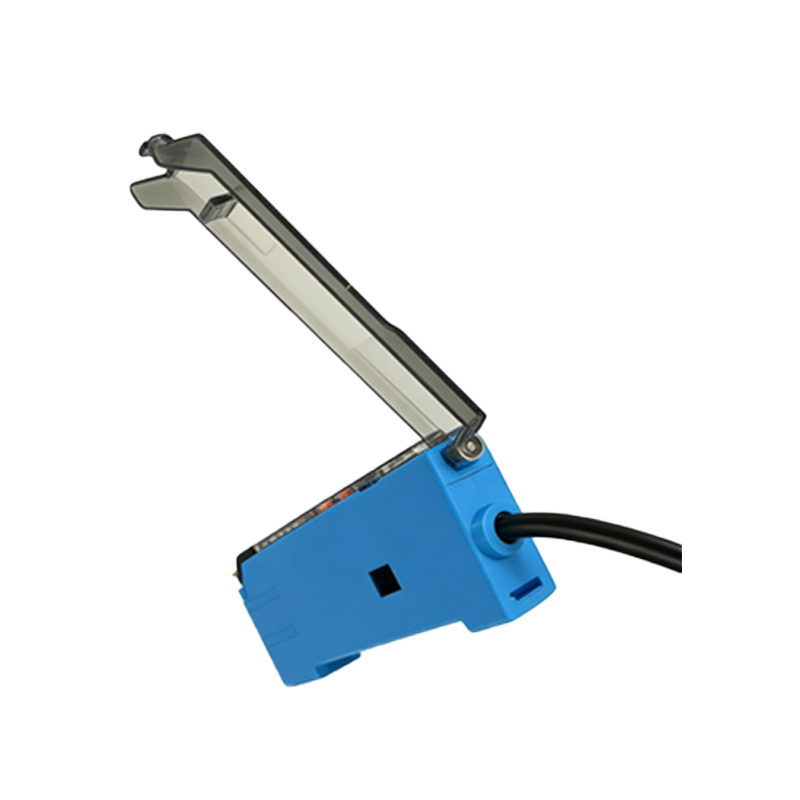
A critical visual distinction lies in the optical window geometry. Through-beam sensors feature separate emitter and receiver units, each with a distinct, often flat or slightly curved lens. Retroreflective sensors have a single, larger lens housing that integrates both emitter and receiver, designed to work with a reflector. Diffuse sensors exhibit a single lens but may include a lens cap with a textured surface to reduce glare. The lens material—glass or acrylic—affects durability and cost, with glass being preferred for high-temperature or corrosive settings.
Indicator Lights and Connection Interfaces
Operational status indicators, such as green, yellow, or red LEDs, are standard visual cues on the sensor body. A green LED typically indicates power, yellow for output active, and red for alignment errors. The connection interface also varies: pre-wired cables with M8 or M12 connectors offer quick replacement, while pigtail versions with open leads suit permanent installations. The positioning of these connectors—axial or radial—affects cable routing and space utilization in automated production lines.
Mounting Brackets and Adjustable Features
External appearance includes added mounting accessories. Many sensors come with slotted mounting brackets or swivel joints for precise beam alignment. Sensors with built-in potentiometers or digital displays for sensitivity adjustment are visually bulkier but allow field-tuning without external tools. The presence of a teach-in button or a small LCD screen distinguishes advanced models from basic fixed-gain units. These features are crucial for applications requiring frequent recalibration, such as in packaging or material handling systems.
Material and Environmental Rating Markings
Visual inspection of the sensor housing should reveal material grades and IP ratings. Metal housings often have a brushed or polished finish, while plastic ones are textured for grip. Laser-engraved markings indicate IP67 or IP69K ratings for water and dust ingress protection. Sensors designed for food processing may feature white, smooth surfaces to resist bacterial growth, while those for outdoor use have UV-stabilized materials. Understanding these visual cues helps engineers select the right sensor for corrosive, high-pressure washdown, or low-light conditions.