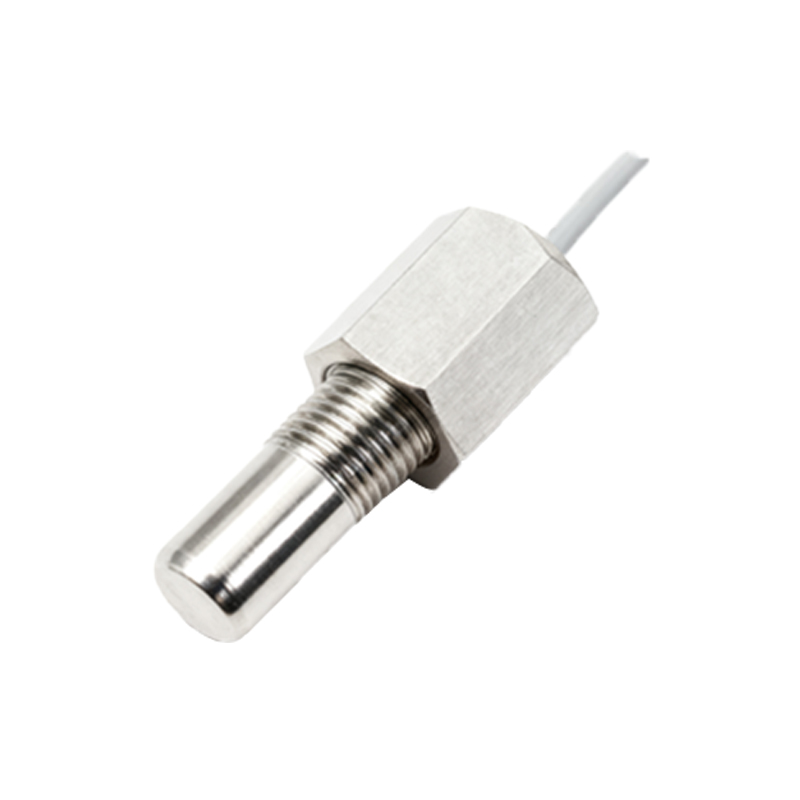
In industrial settings where flammable gases, vapors, or combustible dusts are present, standard electronic equipment poses a significant ignition risk. This is where explosion-proof proximity sensors become not just beneficial but legally mandatory. While off-the-shelf models serve many applications, complex or unique operational challenges often demand a higher level of engineering: custom explosion-proof proximity sensor solutions. Customization transforms a standard safety component into a precise, integrated tool that enhances both protection and process efficiency.
The core principle of any explosion-proof device is containment. The housing is engineered to withstand an internal explosion of specified flammable substances and prevent the ignition from propagating to the external hazardous atmosphere. Customization begins with a deep analysis of the specific threat. Will the sensor encounter Group IIA, IIB, or IIC gases? Is the environment classified for Dust Ignition-Proof (DIP) requirements? Understanding the exact zone classification (Zone 0, 1, 2, or Division 1, 2) and the temperature class (T1-T6) is the foundational step. A custom provider doesn't just sell a sensor; they engineer a solution certified for your specific hazard.
Beyond certification, physical and functional tailoring addresses real-world installation and performance hurdles. Standard sensor shapes or sizes may not fit constrained or unusually designed machinery. Custom designers can alter housing dimensions, materials (like stainless steel 316L for corrosive settings), and mounting configurations. Perhaps a longer sensing range is needed to detect objects through a protective barrier, or an extreme temperature rating is required for foundry applications. The sensing technology itself—inductive, capacitive, or ultrasonic—can be selected and fine-tuned for the target material, whether it's metallic, non-metallic, or a specific liquid level.
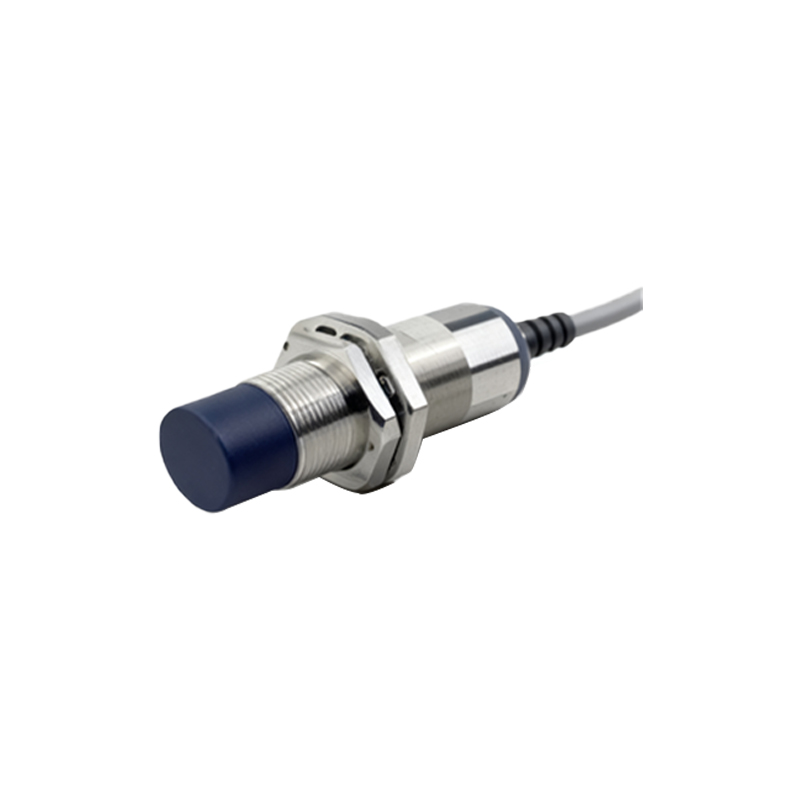
Integration is another critical domain for customization. Modern industrial systems thrive on data and connectivity. A custom sensor can be designed with specific output signals (4-20mA analog, IO-Link, PROFIBUS, etc.) to communicate directly with a plant's existing PLC or control system. Special connectors, cabling entries (like M12 or custom gland entries), and wiring harnesses can be pre-configured to simplify installation in hard-to-reach areas, reducing labor time and potential errors. This seamless integration minimizes downtime during retrofits or new line installations.
The process of developing a custom explosion-proof proximity sensor is collaborative. It starts with a comprehensive consultation where engineers assess the application's environmental conditions, performance requirements, and mechanical constraints. Prototyping and rigorous testing follow, often in partnership with accredited certification bodies to ensure the final product meets all necessary international standards (ATEX, IECEx, UL, CSA). This partnership ensures the sensor is not only safe but also reliable and durable under the anticipated stress cycles.
Ultimately, investing in a custom-designed explosion-proof proximity sensor is an investment in long-term operational integrity. It eliminates the compromises often made with standard units, providing a perfect fit for the application. This leads to fewer false trips, reduced maintenance interventions, and enhanced safety compliance. In hazardous environments, where the cost of failure is catastrophically high, a tailored sensor solution offers precision, reliability, and peace of mind, ensuring that safety systems perform exactly as intended for years to come.