Introduction to Photoelectric Sensors
Photoelectric sensors are critical components in modern industrial automation, utilizing light beams to detect the presence, absence, or distance of objects without physical contact. These sensors operate by emitting a light source (typically infrared, visible red, or laser) and measuring the changes in the received light signal. Their non-contact nature, high-speed response, and reliability make them indispensable across manufacturing, packaging, logistics, and process control industries. Understanding their working principles—through-beam, retro-reflective, and diffuse—helps engineers select the optimal sensor for specific applications.
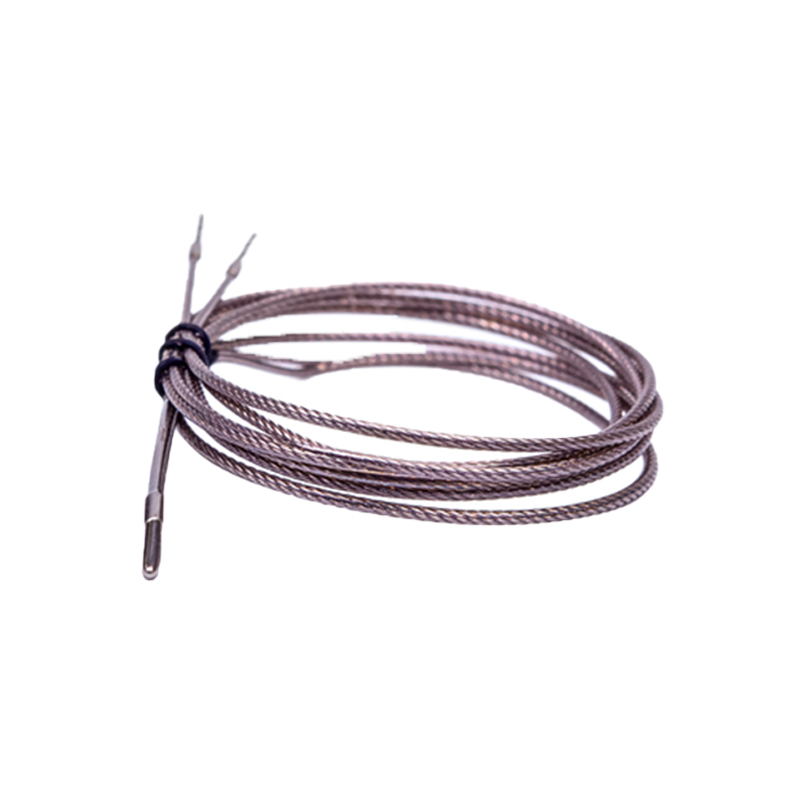
Through-Beam Sensors: Long-Range Precision
Through-beam sensors consist of a separate emitter and receiver, aligned opposite each other. They offer the longest sensing range (up to 30 meters or more) and highest immunity to contamination. A common example is in conveyor belt systems for automated sorting: when a package interrupts the light beam between emitter and receiver, the sensor triggers a diverter to redirect the item. In automotive assembly lines, through-beam sensors detect the passage of car bodies to control robotic welding arms. Their reliability in dusty environments makes them ideal for sawmills and grain handling facilities.
Retro-Reflective Sensors: Space-Efficient Detection
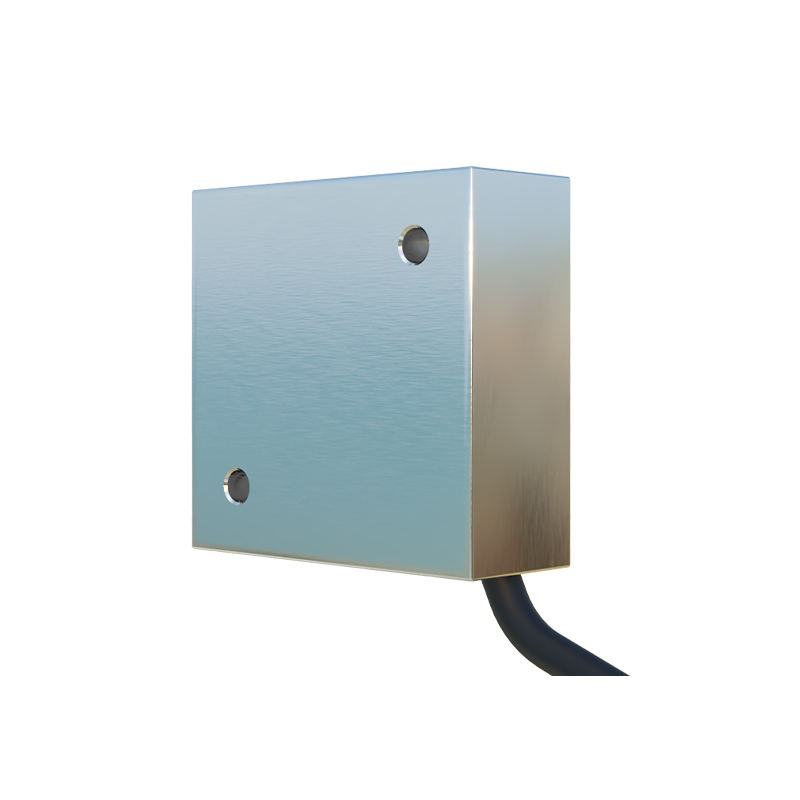
Retro-reflective sensors combine emitter and receiver in one housing, using a reflector to bounce the light beam back. They simplify wiring and save space compared to through-beam types. A typical application is in automated warehouse doors: when a forklift or pallet breaks the reflected light beam, the sensor signals the door to open. In bottling plants, retro-reflective sensors detect missing caps or labels on bottles passing on a conveyor. The use of polarized light filters prevents false triggering from shiny surfaces, ensuring accurate detection of transparent or glossy objects like glass bottles.
Diffuse Sensors: Proximity and Object Contrast
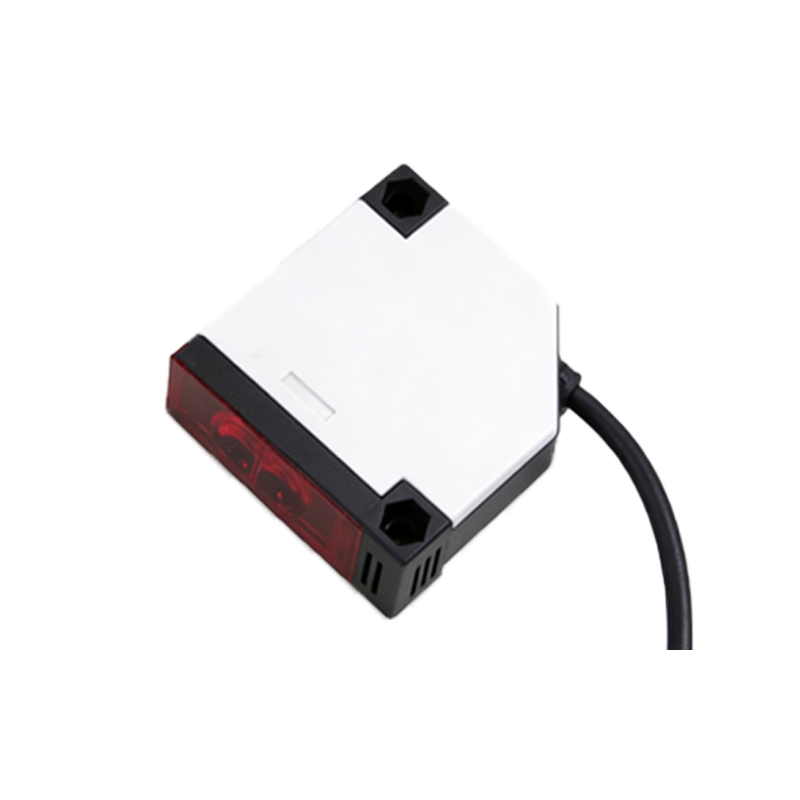
Diffuse sensors rely on the object’s own surface to reflect light back to the receiver, making them ideal for short-range detection (up to 1–2 meters) and for distinguishing objects based on color or reflectivity. For example, in packaging lines, a diffuse sensor can detect the presence of a cardboard box on a palletizer, even if the box is irregularly shaped. In electronics manufacturing, these sensors verify the placement of components on circuit boards. Background suppression versions ignore distant backgrounds, enhancing accuracy in complex environments like robotic pick-and-place stations.
Specialized Applications: Transparent Object and Color Mark Detection
For transparent objects like glass vials or plastic films, standard sensors may fail due to light passing through. Specialized photoelectric sensors with coaxial optics or ultrasonic alternatives are used. In pharmaceutical filling lines, sensors detect clear vials to control filling nozzles. Color mark sensors are tuned to specific wavelengths, enabling them to detect registration marks on packaging materials. This is critical in printing presses where sensors trigger cutting or folding mechanisms based on colored squares on continuous webs.
Integration with Automation Systems
Modern photoelectric sensors often include IO-Link communication, enabling real-time diagnostics and parameter adjustment via PLCs. In smart factories, sensors with Ethernet/IP or Profinet interfaces feed data into predictive maintenance systems. For example, a sensor monitoring the opacity of a plastic film can alert operators to dust accumulation on the lens, preventing false readings. Environmental considerations like IP69K ratings for washdown applications in food processing or ATEX certifications for explosive atmospheres ensure sensor longevity.
Selection Guidelines and Best Practices
When selecting a photoelectric sensor, engineers must evaluate sensing range, target material, ambient light, and mounting constraints. For dusty environments, through-beam sensors are preferred; for tight spaces, retro-reflective types excel. Diffuse sensors with background suppression are essential for non-uniform surfaces. Proper alignment during installation and regular cleaning of lenses and reflectors maintain performance. Testing with actual production objects under real conditions prevents costly misapplications.