Introduction to Photoelectric Sensors in Concentration Detection
Photoelectric sensors are widely utilized in industrial processes for non-contact measurement of various parameters, including concentration. By emitting a light beam and analyzing the amount of light absorbed, reflected, or transmitted by a medium, these sensors can accurately determine the concentration of substances such as gases, liquids, or suspended solids. This method is particularly valuable in industries like chemical processing, water treatment, and food manufacturing, where real-time monitoring of concentration ensures product quality and process efficiency.
Operating Principles of Photoelectric Sensors for Concentration
The core principle involves a light source, typically an LED or laser, and a photodetector. In transmission-based setups, the sensor measures the reduction in light intensity as it passes through a sample. According to the Beer-Lambert law, the absorbance is directly proportional to the concentration of the absorbing species. For reflective or scattering applications, the sensor detects changes in light intensity due to particles or dissolved substances. Calibration with known standards is essential to convert raw signals into precise concentration values, compensating for factors like temperature and wavelength.
Key Parameters Affecting Measurement Accuracy
Several factors influence the performance of photoelectric sensors in concentration detection. Wavelength selection is critical; specific wavelengths are absorbed more strongly by target substances, enhancing sensitivity. Path length, or the distance the light travels through the medium, also affects signal strength. Environmental conditions, such as ambient light interference, dust, and vibration, must be mitigated through proper shielding and filtering. Additionally, the sensor’s response time and resolution should match the process dynamics to avoid measurement lag.
Common Configurations and Their Applications
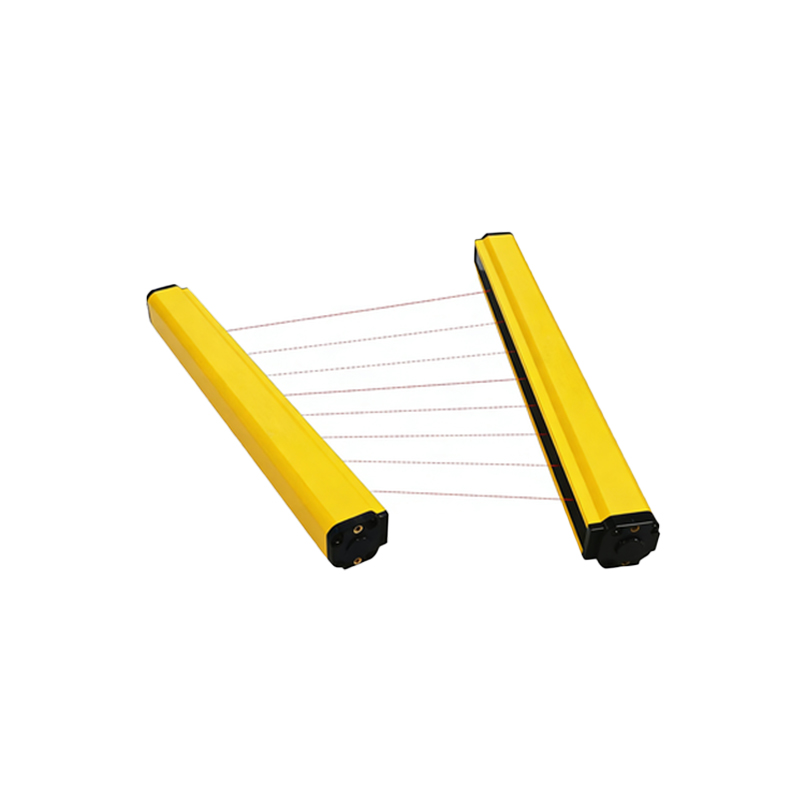
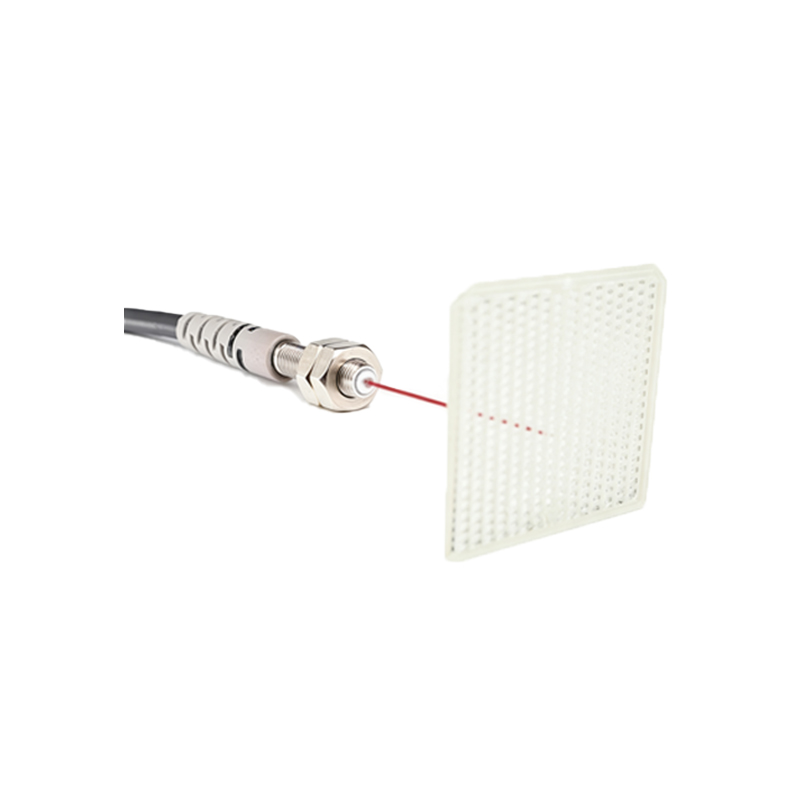
Two primary configurations are employed: through-beam and diffuse reflection sensors. Through-beam sensors, where the emitter and receiver are separated, are ideal for high-accuracy measurements in clear liquids or gases, such as monitoring chemical concentration in pipelines. Diffuse reflection sensors, with emitter and receiver in one unit, are suited for opaque or turbid mediums, like detecting sludge concentration in wastewater treatment. Retro-reflective sensors, using a reflector, offer a middle ground for moderate concentration ranges.
Calibration and Maintenance Best Practices
Regular calibration using certified reference materials is crucial to maintain accuracy. For concentration sensors, a multi-point calibration curve spanning the expected range improves reliability. Cleaning optics and checking alignment periodically prevent drift from deposits or misalignment. In harsh environments, using sensors with IP67 ratings and protective windows extends lifespan. Data logging and automated diagnostics can alert operators to deviations, ensuring consistent performance.
Advantages Over Alternative Detection Methods
Compared to traditional methods like conductivity or pH probes, photoelectric sensors offer non-contact measurement, reducing contamination risks and maintenance. They provide faster response times and can handle extreme temperatures or corrosive media. Unlike optical spectrometers, they are more cost-effective and compact, making them suitable for field installations. However, they may require careful selection for multi-component mixtures where overlapping absorption spectra occur.
Future Trends in Photoelectric Concentration Sensing
Advancements in solid-state light sources and detector arrays are enhancing sensitivity and spectral range. Integration with IoT platforms enables remote monitoring and predictive maintenance. Multi-wavelength sensors can now differentiate between multiple analytes simultaneously, expanding applications in biomedical and environmental monitoring. As AI-driven calibration algorithms become standard, precision will improve, reducing the need for manual adjustments.