Overview of Three-Wire NPN Photoelectric Sensors
Three-wire NPN photoelectric sensors are widely used in industrial automation for object detection, positioning, and counting applications. These sensors operate on a DC power supply, typically 10-30V, and feature three wires: brown (power +), blue (power -), and black (output signal). The NPN output configuration means the sensor sinks current to ground when activated, making it compatible with many PLCs and controllers that require a sinking input. This design offers reliable performance in harsh environments, such as dusty or wet conditions, due to its robust sensing principles like through-beam, retroreflective, or diffuse modes.
Working Principle and Output Logic
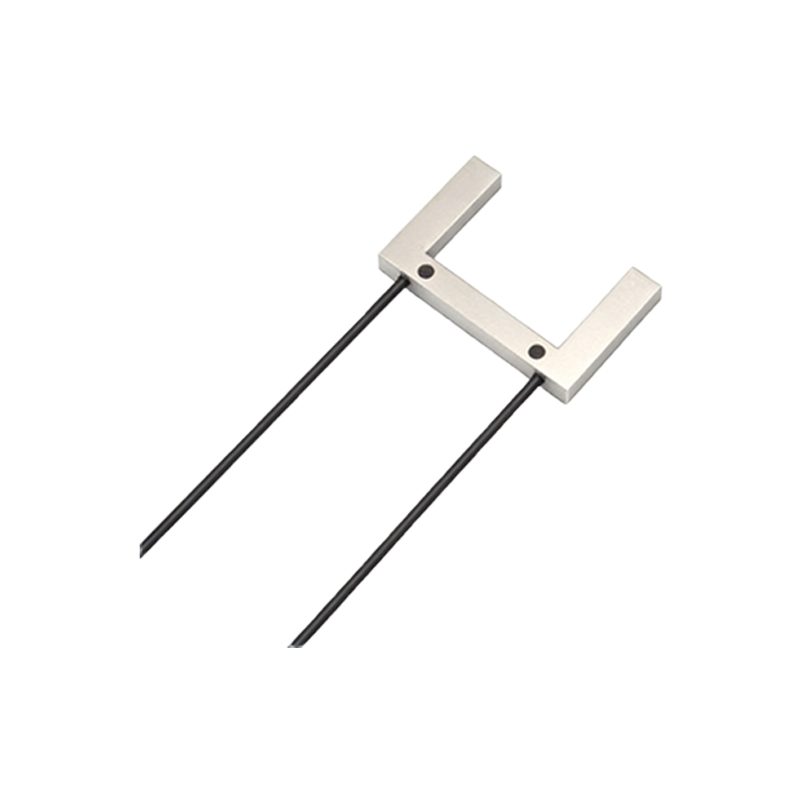
The core function of a three-wire NPN sensor relies on a transistor switching mechanism. When the sensor detects an object within its sensing range, the internal NPN transistor turns on, connecting the black output wire to the blue ground wire. This creates a low-side switch, allowing current to flow from the load (e.g., a PLC input) to ground. In the absence of a target, the output remains in a high-impedance state. This logic is often referred to as "normally open" (NO) configuration, where the output is active when an object is present. Engineers must ensure the load is connected between the positive supply and the black wire to avoid incorrect wiring.
Types and Sensing Modes
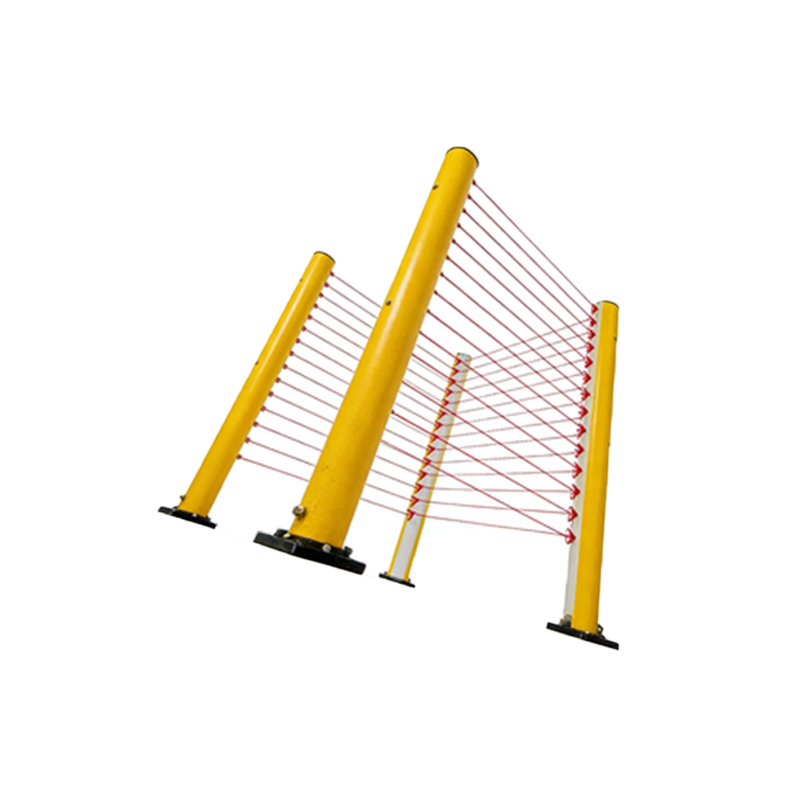
Three-wire NPN sensors are available in three primary sensing modes. Through-beam sensors consist of separate emitter and receiver units, offering the longest range and highest reliability for transparent or opaque objects. Retroreflective sensors use a reflector to bounce the beam back, simplifying installation with a single unit but requiring careful alignment. Diffuse sensors detect objects by reflecting light directly off the target, making them ideal for short-range detection of solids. Each mode has specific advantages: through-beam for dusty environments, retroreflective for medium ranges, and diffuse for space-constrained applications.
Wiring and Integration with PLCs
Proper wiring is critical for reliable operation. Connect the brown wire to the positive terminal of the DC power supply (e.g., +24V), the blue wire to ground (0V), and the black output wire to the PLC input module. For NPN sensors, the PLC input must be configured as a sourcing input (PNP type or sinking capability). Many modern PLCs have configurable inputs, but it is essential to verify compatibility. A pull-up resistor may be needed if the PLC input does not have internal pull-up functionality. Always follow the manufacturer’s datasheet for voltage and current ratings to prevent damage.
Applications in Industrial Settings
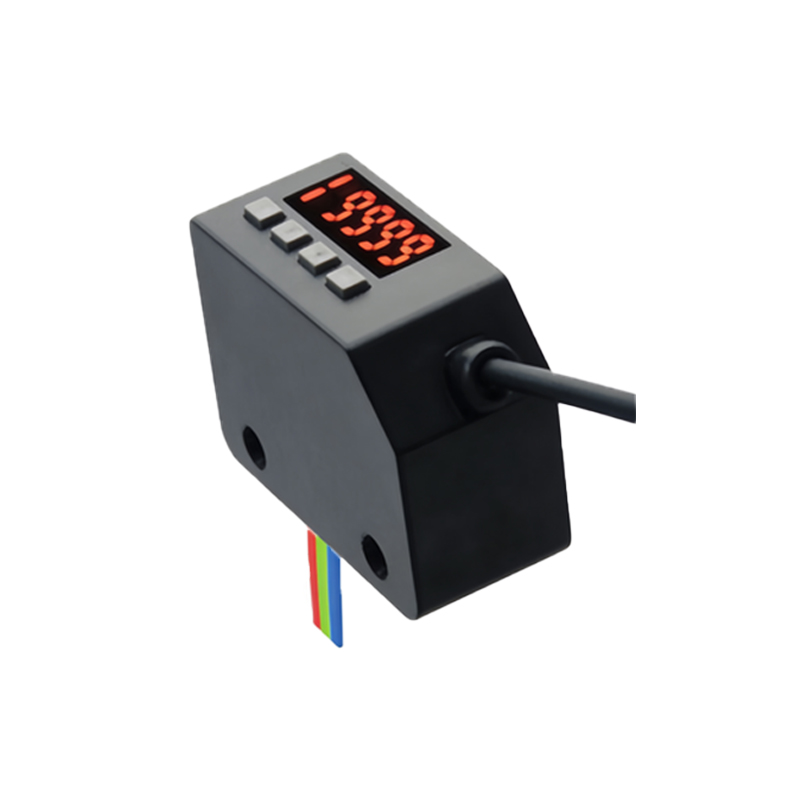
These sensors excel in applications such as conveyor belt monitoring, packaging line object detection, and robotic arm positioning. NPN outputs are preferred in systems with common ground designs, reducing noise susceptibility in electrically noisy environments like factories. For example, in a bottling plant, a through-beam NPN sensor detects missing caps, while a diffuse sensor triggers a reject mechanism. Their solid-state construction ensures long life with minimal maintenance, making them cost-effective for high-speed production lines.
Troubleshooting Common Issues
Common failures include misalignment, contamination on lenses, or wiring errors. If the sensor fails to detect, first check power supply voltage and verify wire connections with a multimeter. For NPN sensors, measure voltage between black and blue wires: 0V when active (sensor on) and supply voltage when inactive. Dust or moisture can reduce sensing range, requiring periodic cleaning of optics. Ensure the sensing distance does not exceed the rated range; adjust sensitivity potentiometer if available. In case of intermittent detection, inspect for electrical noise from nearby motors or inverters, and consider using shielded cables.