Understanding Grooved Photoelectric Sensors in Automation
Grooved photoelectric sensors, also known as fork sensors or U-shaped sensors, are essential components in modern industrial automation. They consist of a transmitter and receiver housed in a single unit with a U-shaped slot. The detection principle relies on the interruption of a light beam between the two arms when an object passes through the groove. This design offers high precision and reliability for detecting small parts, labels, or transparent objects. Key applications include packaging lines, conveyor systems, and material handling, where consistent detection is critical for throughput and quality control.
Key Parameters for Model Selection
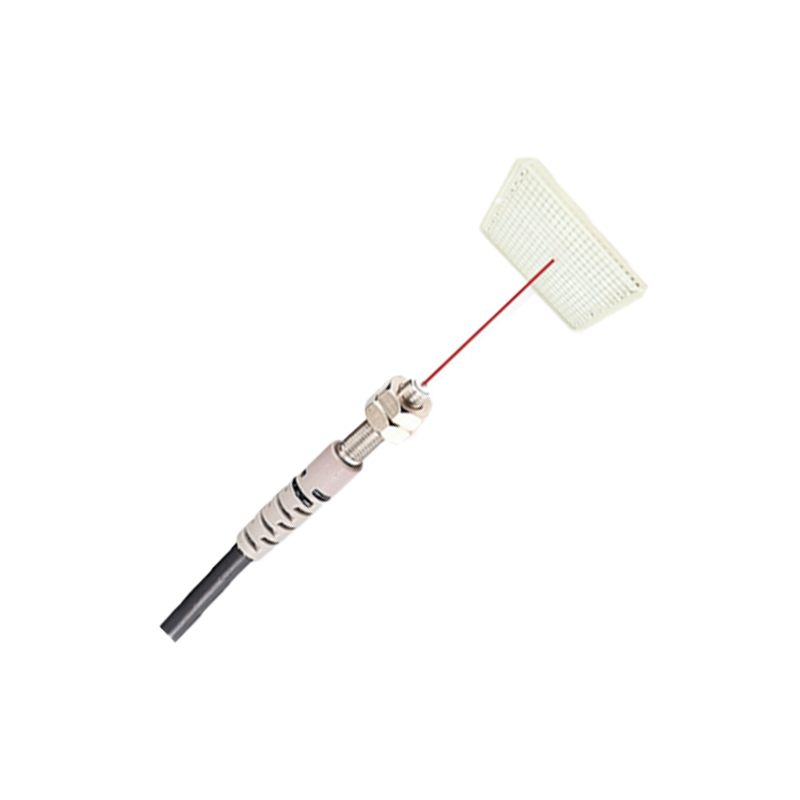
When choosing a grooved photoelectric sensor model, engineers must evaluate several technical parameters. The slot width determines the maximum object size detectable; common widths range from 10 mm to 50 mm. Response time, typically in microseconds, ensures high-speed operation. Sensing modes include through-beam (standard) and retro-reflective variants. Output types, such as NPN, PNP, or push-pull, must match the PLC input. Environmental ratings like IP67 protect against dust and water. Power supply voltage (e.g., 10-30 VDC) and cable length also influence model selection.
Popular Grooved Sensor Models from Key Manufacturers
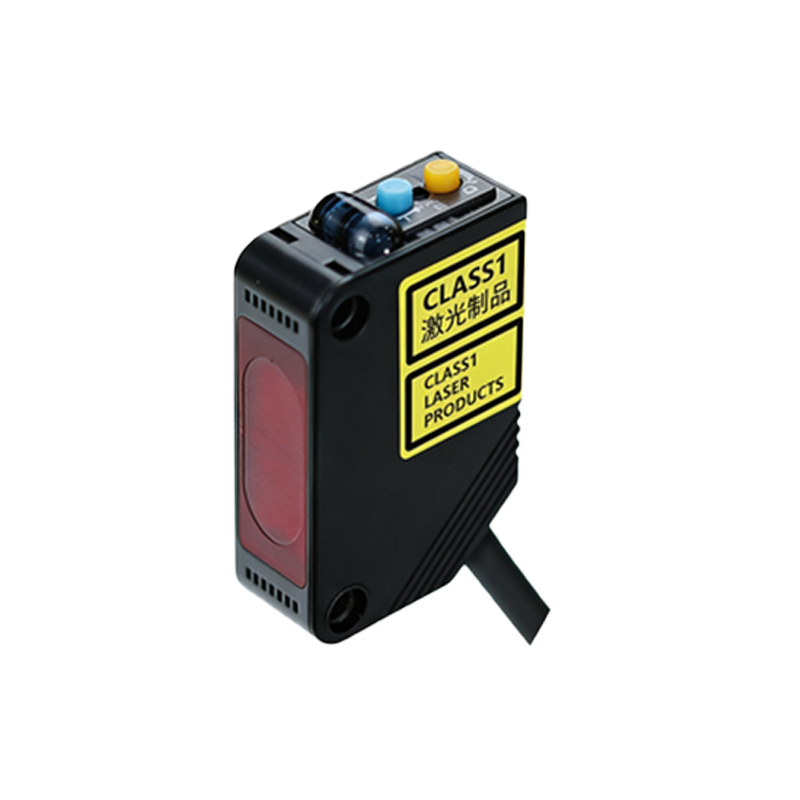
Several industry-leading brands offer robust grooved sensor series. For example, Omron’s E3Z-G series features compact designs with a 5 mm slot and fast 1 ms response, suitable for small part detection. SICK’s W4S-3 series provides a 10 mm slot and background suppression technology, ideal for transparent object detection. Banner Engineering’s QS30 series offers high-power models with range up to 30 mm, suited for dusty environments. Additionally, Pepperl+Fuchs’ ML100 series includes adjustable sensitivity for specific materials. Each model has distinct advantages based on application needs.
Application-Specific Considerations
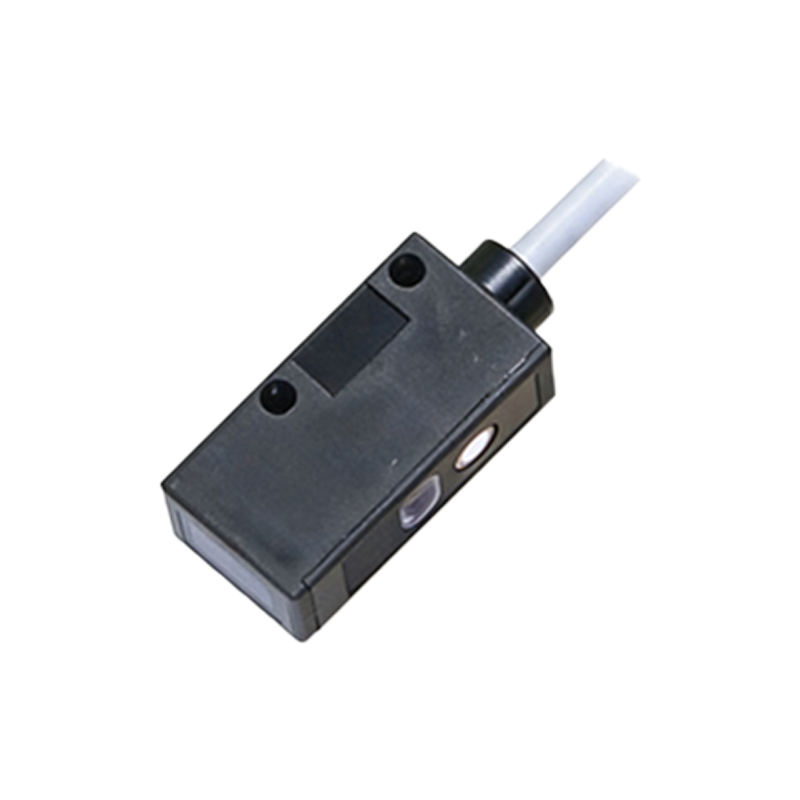
Different industries require tailored sensor features. In food and beverage packaging, sensors must resist washdown environments, so models with IP69K ratings and stainless steel housings are preferred. For semiconductor manufacturing, high-precision detection of wafer edges demands sensors with sub-millimeter repeatability, such as those with laser light sources. In logistics, high-speed sorting systems benefit from sensors with fast switching frequencies (up to 10 kHz). Always verify the sensor’s ambient temperature tolerance, typically -25°C to 55°C, to avoid performance degradation.
Installation and Troubleshooting Best Practices
Proper installation ensures optimal performance. Align the sensor’s groove axis perpendicular to the object’s movement direction. Secure mounting with brackets to prevent vibration misalignment. For transparent objects, use sensors with polarized filters to avoid false signals. During troubleshooting, check for contamination on the lens surface, which reduces sensitivity. Verify supply voltage stability, as fluctuations can cause erratic operation. Use a multimeter to test output continuity. Many modern models include diagnostic LEDs for quick status checks.
Future Trends in Grooved Sensor Technology
Advancements in photoelectric sensor design focus on miniaturization, higher speed, and connectivity. New models integrate IO-Link communication for real-time data exchange and remote parameter adjustment. Hybrid sensors combining photoelectric and capacitive principles improve detection of irregular objects. Additionally, smart sensors with self-diagnostic capabilities reduce downtime. Engineers should consider these emerging technologies when planning long-term automation upgrades, as they enhance flexibility and predictive maintenance.