Understanding the Role of Photoelectric Sensors in Crab Sorting
As a senior electrical engineer in the automation industry, I have seen firsthand how photoelectric sensors revolutionize seafood processing lines. In crab sorting, these sensors detect the presence, size, and color of crabs, enabling high-speed, non-contact inspection. Unlike mechanical sorters, photoelectric sensors reduce damage to the product and increase throughput. Key considerations include the ambient light conditions, water splash, and dust from the processing environment. For reliable operation, sensors must have high IP ratings, typically IP67 or higher, and use diffuse or retro-reflective modes for irregular crab shapes.
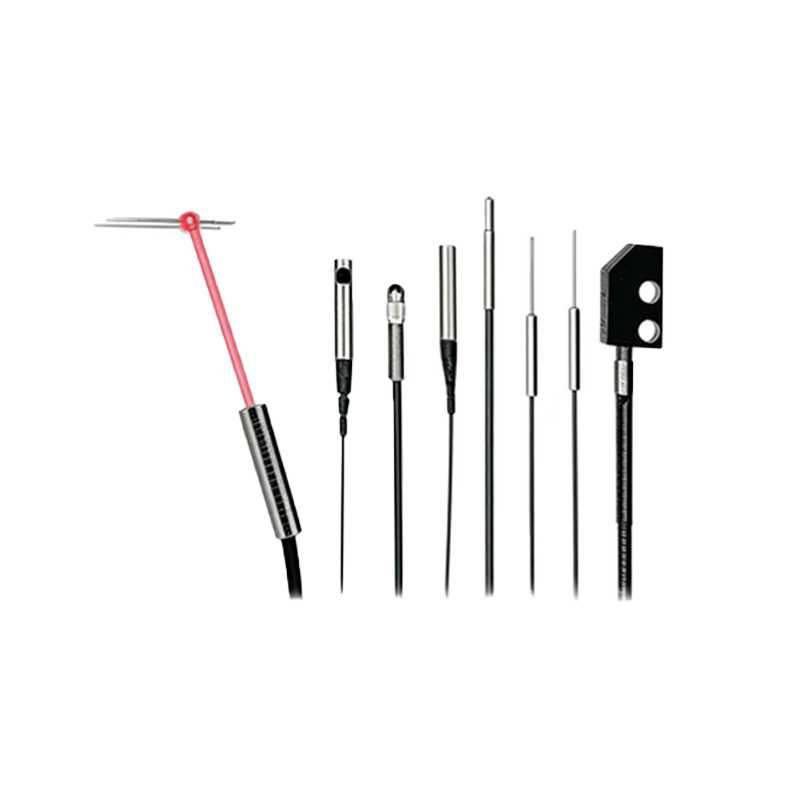
Selecting the Right Sensing Mode for Crab Detection
For crab sorting, the sensing mode is critical. Diffuse sensors are ideal for detecting crabs on conveyor belts, as they can operate without a reflector, relying on the crab’s surface to reflect light. However, crab shells are often dark and irregular, which may require sensors with high gain or background suppression. I recommend using laser-based sensors for precise size measurement, as they offer narrow beam angles (e.g., 2 degrees) and fast response times (under 1 ms). For color-based sorting, such as separating red cooked crabs from raw brown ones, RGB color sensors are effective. Ensure the sensor’s wavelength matches the crab’s reflectivity spectrum, typically 660 nm for red and 850 nm for infrared.
Installation Tips for Harsh Seafood Environments
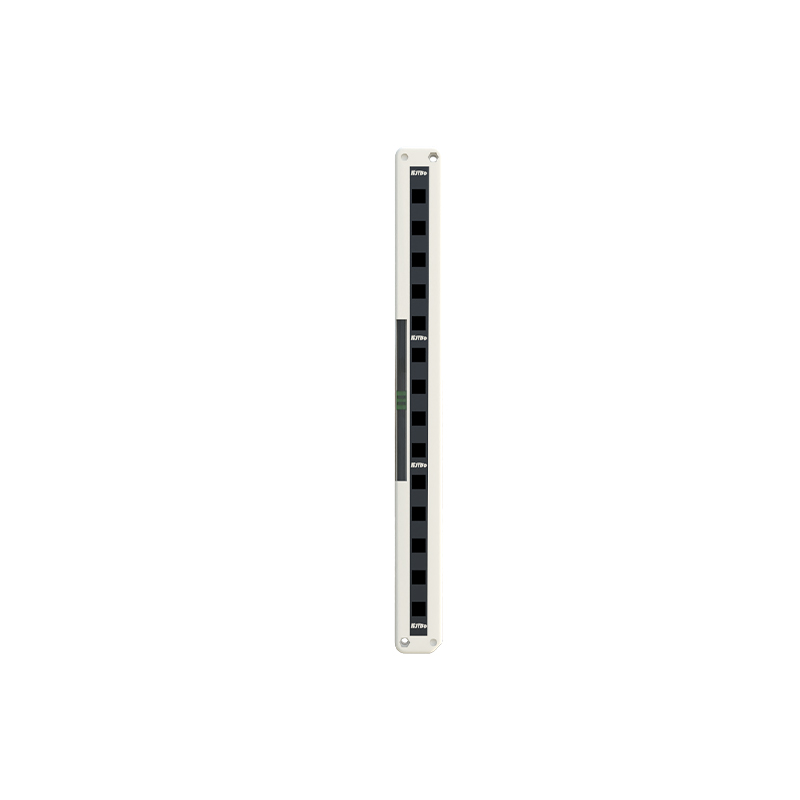
In a crab processing plant, moisture and salt can cause sensor failure. I advise mounting sensors in sealed enclosures with cable glands rated for washdown zones. Use stainless steel brackets to prevent corrosion. For conveyor applications, position the sensor at a 15-30 degree angle to avoid false triggers from crab legs or debris. Regularly calibrate the sensor’s threshold using a sample crab to account for variations in shell color and texture. Also, implement a PLC-based monitoring system to log sensor performance and detect early failures. This proactive approach reduces downtime and ensures consistent sorting accuracy.
Key Specifications to Prioritize
When evaluating photoelectric sensors for crab sorting, focus on these parameters: response time (≤ 5 ms for high-speed lines), sensing distance (100-500 mm for typical conveyors), and output type (PNP or NPN with solid-state relays). I prefer sensors with IO-Link communication for real-time diagnostics and parameter adjustment. For example, the Baumer O300 series or SICK PowerProx series offer robust performance in wet conditions. Always check the sensor’s temperature range, as crab processing often involves steam or cold water. A range of -25°C to 60°C is adequate. Finally, order spare sensors to maintain production continuity.