Introduction to T-Shaped Photoelectric Sensors
T-shaped photoelectric sensors are specialized detection devices widely used in industrial automation, packaging, and material handling systems. Their unique T-shaped housing design allows for easy mounting in tight spaces, making them ideal for applications where traditional cylindrical or rectangular sensors fail to fit. These sensors operate by emitting a light beam (typically infrared, visible red, or laser) and detecting changes in the received light intensity caused by the presence or absence of an object.
Key Features and Design Advantages
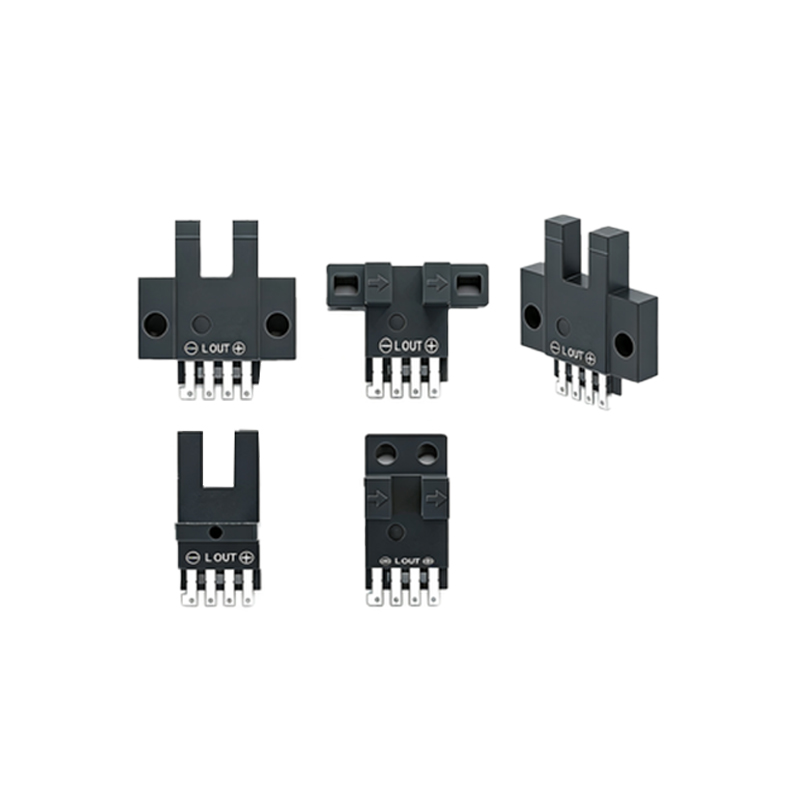
The T-shaped form factor offers several mechanical benefits. First, the slim profile reduces interference with moving parts, while the integrated mounting holes simplify installation on conveyor rails or machinery frames. Many models feature a rotatable head (90° or 180°) to adjust the sensing direction without moving the entire unit. Additionally, these sensors often include built-in LED indicators for quick status checks, and some versions provide adjustable sensitivity via a potentiometer or teach-in button.
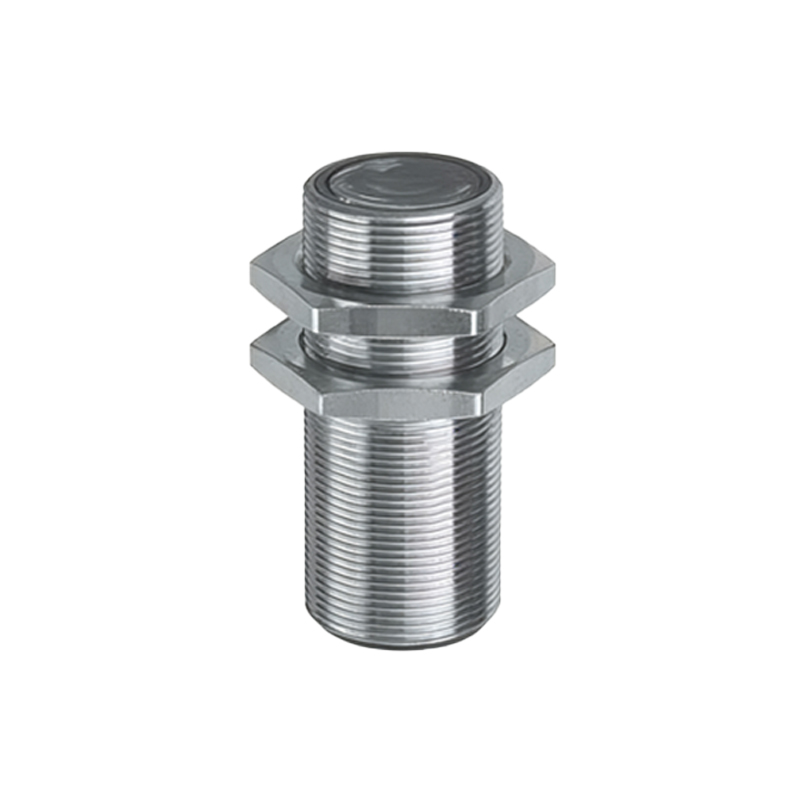
Operating Principles: Through-Beam, Retro-Reflective, and Diffuse
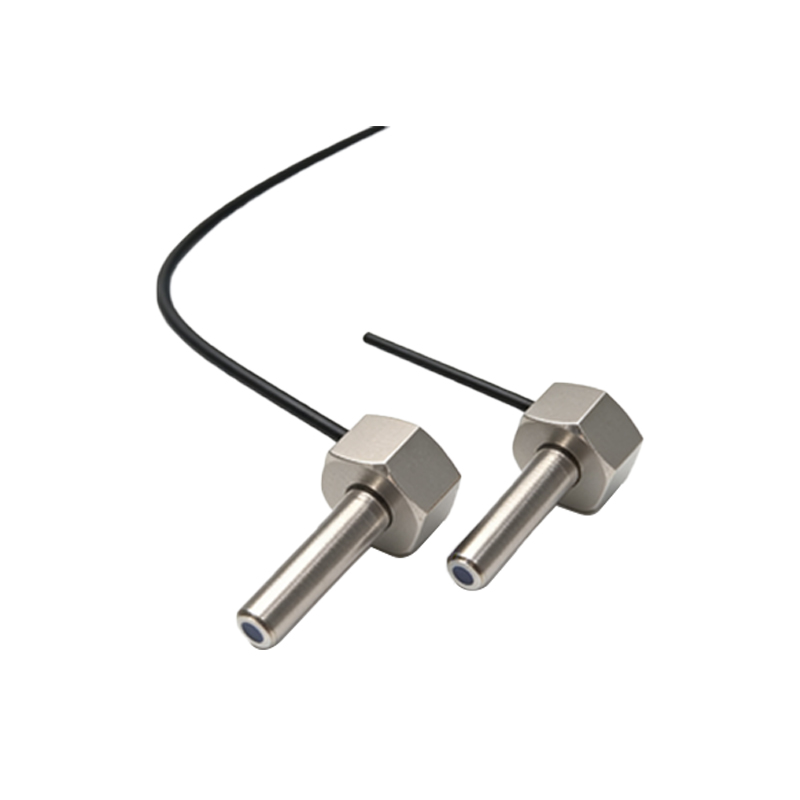
T-shaped photoelectric sensors come in three primary sensing modes. Through-beam sensors consist of separate transmitter and receiver units, offering the longest detection range (up to 30 meters) and high immunity to contamination. Retro-reflective sensors combine emitter and receiver in one housing, using a reflector to bounce the beam back; they are suitable for medium ranges (up to 10 meters) and can detect transparent objects. Diffuse sensors rely on light reflected directly from the target, ideal for short-range detection (up to 2 meters) where the target's surface properties are known.
Selection Criteria for Industrial Environments
When choosing a T-shaped sensor, consider the following factors: sensing distance, object material and color, ambient light conditions, and environmental hazards like dust, moisture, or vibration. For harsh settings, look for sensors with IP67 or higher ratings, and select models with background suppression or cross-talk prevention if multiple sensors are used in proximity. Output types include NPN/PNP, analog, or IO-Link, depending on your control system requirements.
Common Applications in Automation
T-shaped sensors excel in detecting small parts on high-speed assembly lines, such as electronics components, pharmaceutical vials, or food packaging. They are also used for position verification in robotic grippers, edge detection in web handling, and presence checking in conveyor diverters. Their compact size makes them a top choice for printing presses, textile machines, and woodworking equipment.
Installation and Troubleshooting Best Practices
Mount the sensor on a stable surface to avoid vibration-induced false triggers. Align the emitter and receiver carefully for through-beam models, and ensure the reflector surface is clean for retro-reflective types. Adjust the sensitivity to the lowest level that reliably detects the target to minimize background interference. Common issues include fogging of optics (solve with heated lenses), misalignment (use laser alignment tools), and electrical noise (add shielded cables or ferrite beads).
Future Trends and Innovations
The latest T-shaped sensors incorporate smart features like IO-Link communication for real-time diagnostics and remote parameter setting. Miniaturization continues, with some models now thinner than 10 mm. Enhanced durability through stainless steel housings and glass-fiber-reinforced plastic is also emerging. Additionally, multi-beam sensors that combine through-beam and diffuse modes in one unit are gaining traction for complex detection tasks.