In the world of automation and smart technology, the ability of a machine to detect the presence or absence of an object without physical contact is fundamental. This capability is provided by proximity sensors, silent workhorses that have become integral to countless industrial, commercial, and consumer applications. From ensuring safety on a factory floor to enabling the screen on your smartphone to turn off during a call, these devices operate seamlessly in the background, providing critical data for control systems.
At its core, a proximity sensor is a device that detects the presence of a nearby object and outputs a corresponding signal. The key distinction from other sensors is the non-contact method of detection. This eliminates mechanical wear and tear, allows for high-speed operation, and enables use in harsh environments where physical contact is impractical or damaging. The operating principle varies significantly depending on the sensor type, each suited to different materials and conditions.
The most common types of proximity sensors are inductive, capacitive, photoelectric, and ultrasonic. Inductive proximity sensors are the stalwarts of metal detection. They generate an electromagnetic field. When a metallic object enters this field, it induces eddy currents within the object, which in turn cause a change in the sensor's own oscillation amplitude. This change is detected and converted into a switch signal. These sensors are exceptionally reliable for detecting ferrous and non-ferrous metals and are widely used in machine automation, such as counting metal parts or determining the position of a robotic arm.
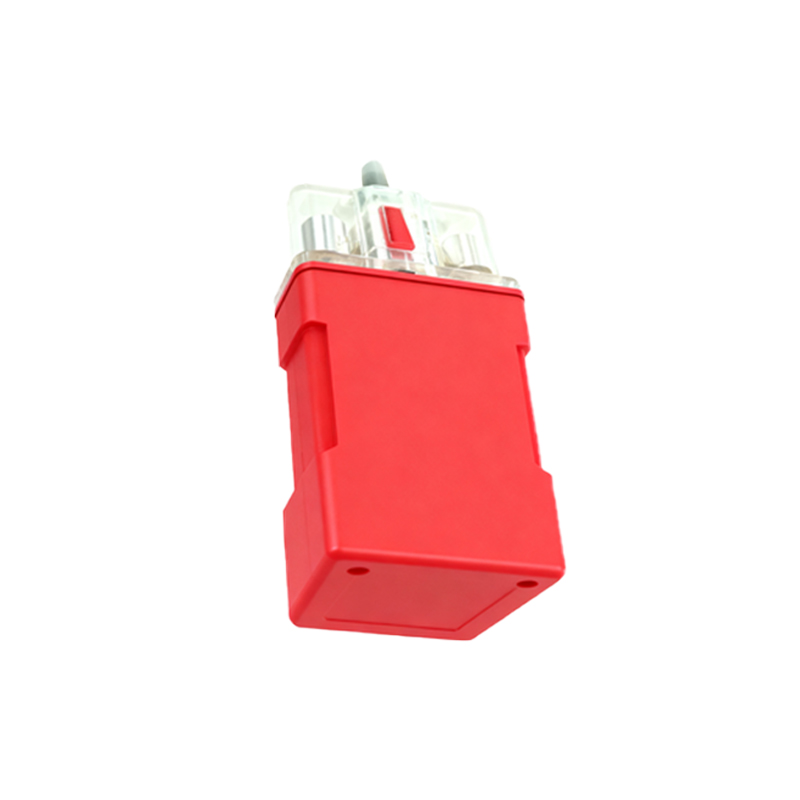
Capacitive proximity sensors, on the other hand, can detect both metallic and non-metallic materials, including liquids, plastics, wood, and granules. They function by generating an electrostatic field. Any object that enters this field alters the capacitance of the sensor's circuit, triggering an output. This makes them ideal for applications like liquid level detection in tanks, monitoring the presence of plastic bottles on a conveyor, or even as touch-sensitive switches.
Photoelectric sensors use light beams to detect objects. An emitter sends out a beam of light (often infrared, visible red, or laser), and a receiver detects it. The sensor triggers when the object interrupts (opposed mode) or reflects (diffuse reflective mode) this light beam. They offer very long sensing ranges and can detect virtually any object, regardless of material. Common uses include object detection on high-speed assembly lines, sorting systems, and safety curtains to protect hazardous areas.
Ultrasonic sensors measure distance by emitting high-frequency sound waves and calculating the time it takes for the echo to return. They are excellent for detecting objects of any material, shape, or color, and are particularly effective in challenging environments with dust, smoke, or moisture where optical sensors might fail. Typical applications include distance measurement, level sensing for bulk materials, and obstacle detection for automated guided vehicles (AGVs).
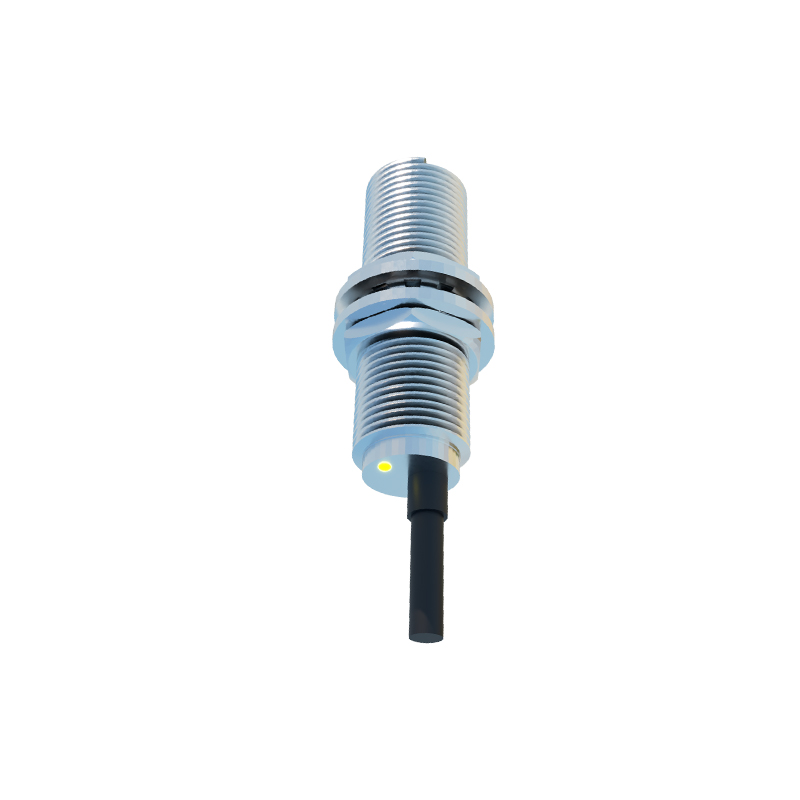
Selecting the right proximity sensor requires careful consideration of several factors. The target material is paramount; is it metal, plastic, liquid, or transparent? The required sensing distance, or range, must be specified. Environmental conditions such as temperature, humidity, and the presence of contaminants like oil or dust will dictate the sensor's housing and ingress protection (IP) rating. The output type is also crucial—whether it's a simple two-wire AC/DC switch, a three-wire NPN/PNP transistor output, or an analog 4-20mA or 0-10V signal for proportional distance measurement. Finally, physical characteristics like size, shape (barrel, rectangular), and mounting style must fit the mechanical design of the application.
The applications for proximity sensors are vast and continually expanding. In industrial automation, they provide precise positioning for CNC machines, control robotic operations, and monitor production lines. In the automotive industry, they are used for gear position sensing, brake pedal detection, and assembly verification. In consumer electronics, they manage display functions in smartphones and tablets. Furthermore, they enhance safety by acting as interlock switches on guarding systems, ensuring a machine cannot operate if a safety door is open.
As technology advances, proximity sensors are becoming smarter, smaller, and more integrated. Modern sensors often include built-in diagnostics, IO-Link communication for parameterization and data exchange, and increased resistance to electromagnetic interference. Understanding the principles, types, and selection criteria for these devices is essential for engineers, technicians, and anyone involved in designing or maintaining automated systems. Their role as the fundamental "touchless eyes" of machinery will only grow in importance as industries move towards greater efficiency and intelligence.