Introduction to Photoelectric Sensors in Material Cutting
In the electrical and manufacturing sectors, precision cutting of materials such as wires, cables, and metal strips is critical for product quality and operational efficiency. Photoelectric sensors, specifically designed for cut-to-length applications, offer non-contact detection, high-speed response, and reliability in harsh industrial environments. These sensors use light beams to detect the presence, position, or absence of a target, enabling automated cutting machines to achieve accurate length measurements without physical contact.
Key Sensor Types for Cut-to-Length Tasks
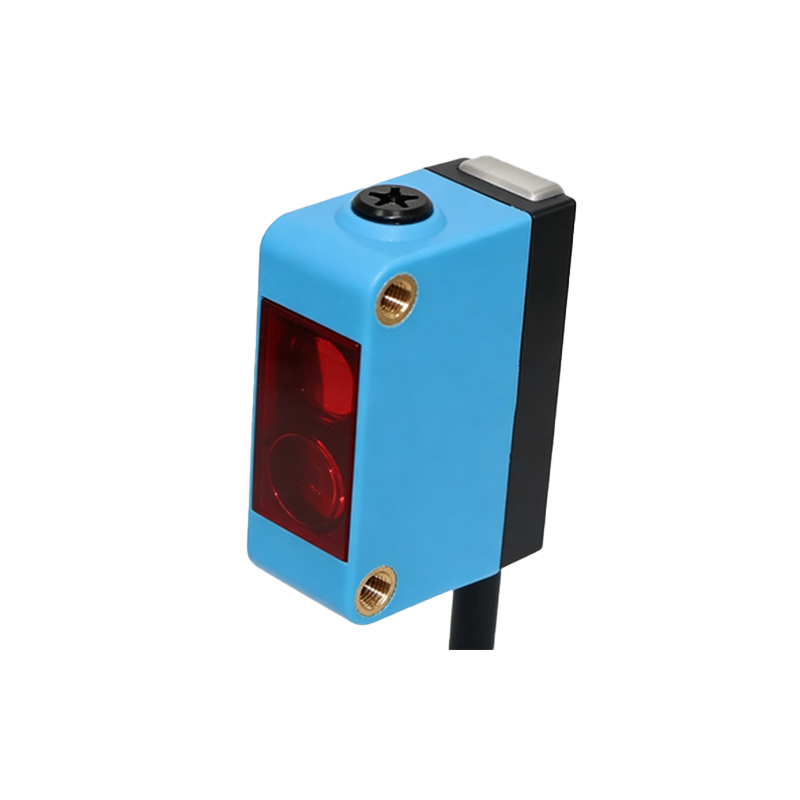
For cut-to-length operations, three primary photoelectric sensor types are widely adopted: through-beam, retro-reflective, and diffuse reflective sensors. Through-beam sensors provide the longest sensing range and highest immunity to contamination, ideal for detecting small cables or transparent materials. Retro-reflective sensors simplify installation by combining emitter and receiver in one housing, suitable for medium-range applications. Diffuse reflective sensors, which detect objects by reflected light from the target itself, are effective for opaque materials like metal strips or insulated wires.
Critical Performance Parameters for Precision Cutting
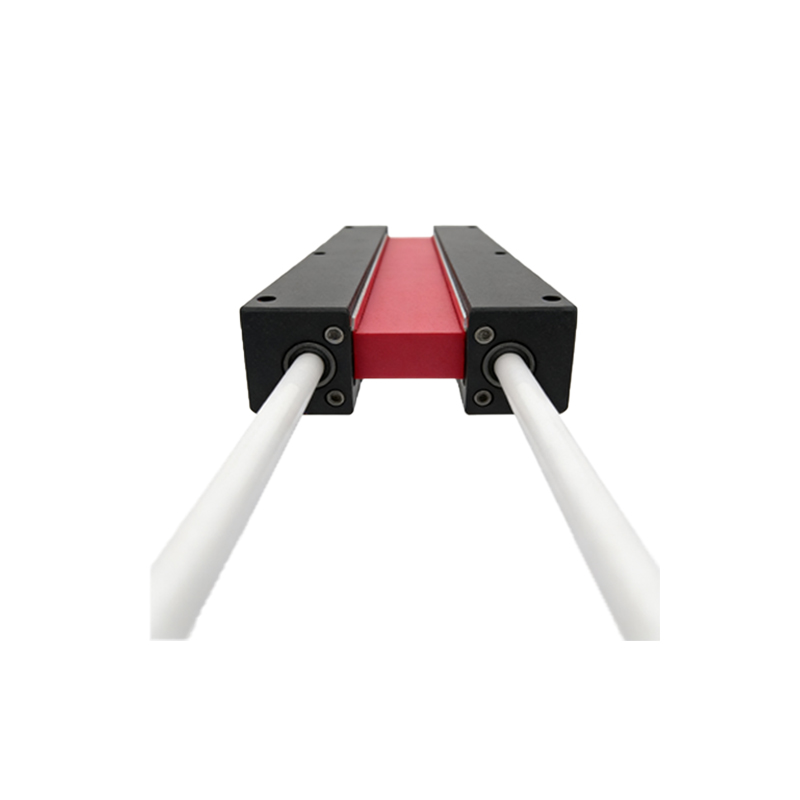
To ensure accurate length control, engineers must consider sensor response time, repeatability, and ambient light immunity. High-speed applications require sensors with response times below 1 millisecond to avoid measurement lag. Repeatability within 0.1 mm is essential for tight tolerances in electrical component manufacturing. Additionally, sensors with built-in interference suppression and ambient light filters maintain reliability in environments with welding arcs, sunlight, or flickering lights.
Integration with PLC and Motion Control Systems
Modern cut-to-length systems integrate photoelectric sensors with programmable logic controllers (PLCs) and servo drives. The sensor outputs digital signals (e.g., NPN or PNP) to trigger a cut at the exact material position. Engineers should configure sensor alignment, cable shielding, and noise filtering to prevent false triggers. For example, using a through-beam sensor with a fiber optic cable allows detection in tight spaces within wire stripping machines.
Environmental Considerations and Durability
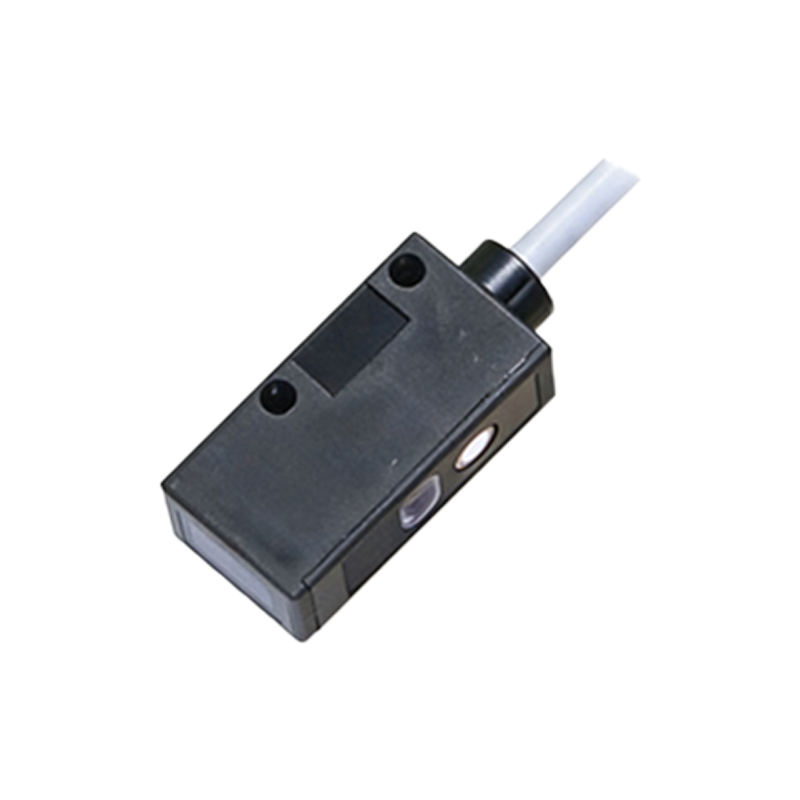
Industrial cutting environments often involve dust, oil mist, vibration, and temperature fluctuations. Selecting sensors with IP67 or higher ingress protection and metal housings ensures longevity. For cutting plastic-covered wires, sensors with adjustable sensitivity can differentiate between clear and colored materials. Regular cleaning of sensor lenses, especially in retro-reflective setups, prevents false detection caused by dust buildup.
Troubleshooting Common Issues in Cut-to-Length Applications
Common problems include misalignment, surface glare, and material flutter. Misaligned through-beam sensors require periodic recalibration using laser alignment tools. Glare from shiny metal strips can be mitigated by using polarizing filters or selecting sensors with light-on/dark-on modes. For materials that flutter during high-speed cutting, increasing the sensor’s response time or using a fixed-beam array improves stability.
Future Trends: Smart Sensors and Industry 4.0
Emerging photoelectric sensors now feature IO-Link communication, enabling real-time data transmission for predictive maintenance and process optimization. Smart sensors can adjust threshold levels automatically based on material reflectance, reducing manual calibration. In the context of Industry 4.0, these sensors are integrated into digital twins of cutting lines, allowing engineers to simulate and optimize length accuracy before physical production.