Proximity sensors are essential components in modern automation and electronic systems, designed to detect the presence or absence of objects within a specific range without physical contact. These sensors operate based on various principles, leading to distinct classifications that cater to diverse industrial and consumer applications. Understanding the categories of proximity sensors helps in selecting the right technology for tasks such as object detection, position monitoring, and safety control.
The primary classification of proximity sensors is based on their underlying technology. Inductive proximity sensors are widely used for detecting metallic objects. They generate an electromagnetic field and sense changes caused by conductive materials, making them ideal for harsh industrial environments like manufacturing lines or machinery. These sensors are robust, resistant to dust and moisture, and offer high precision for metals, but they do not work with non-metallic materials.
Capacitive proximity sensors, on the other hand, can detect both metallic and non-metallic objects, including liquids, plastics, and wood. They function by measuring changes in capacitance when an object enters their electrical field. This versatility makes them suitable for applications like level sensing in tanks, material handling, and touch-sensitive interfaces. However, they may be influenced by environmental factors such as humidity or temperature variations.
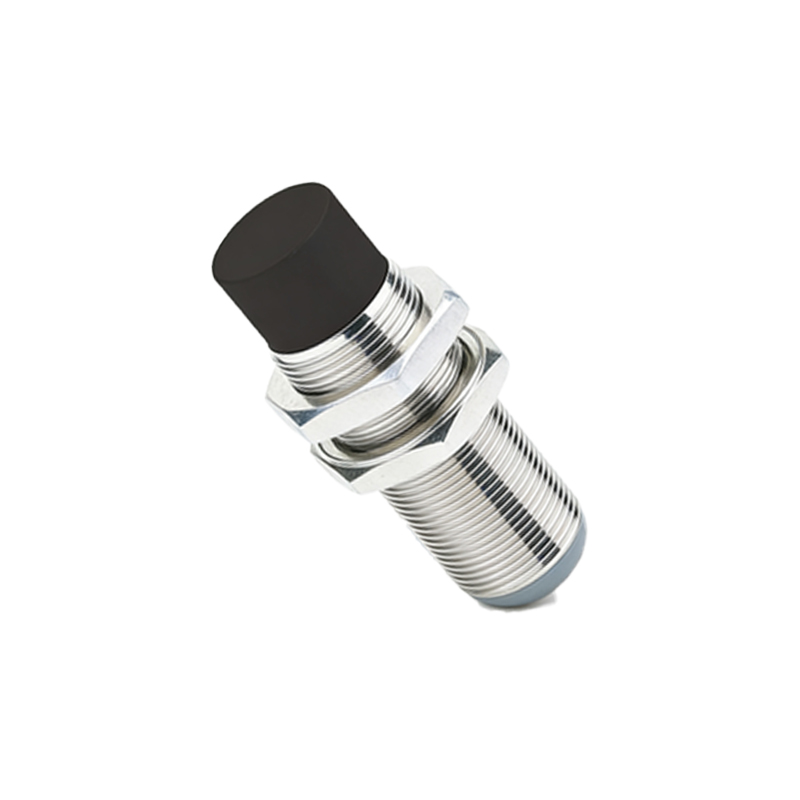
Another common type is the photoelectric proximity sensor, which uses light beams to detect objects. These sensors are further divided into through-beam, retro-reflective, and diffuse-reflective models. Through-beam sensors consist of separate emitter and receiver units, offering long-range detection and high accuracy. Retro-reflective sensors use a reflector to bounce light back to the receiver, while diffuse-reflective sensors rely on light reflecting directly from the object. Photoelectric sensors are effective for diverse materials and are commonly used in packaging, automotive, and security systems, though they can be affected by ambient light or opaque surfaces.
Ultrasonic proximity sensors utilize sound waves beyond human hearing to measure distance or detect objects. They emit ultrasonic pulses and calculate the time taken for echoes to return, enabling them to work in challenging conditions like dust, smoke, or transparent materials. These sensors are often applied in parking assistance, robotics, and liquid level monitoring. However, they may have limitations with soft or sound-absorbing surfaces.
Magnetic proximity sensors detect magnetic fields, typically from permanent magnets, and are used in applications requiring reliability under extreme conditions, such as in automotive or aerospace industries. Hall effect sensors, a subtype, measure magnetic flux changes and are common in position sensing and speed detection.
Each type of proximity sensor has unique advantages and limitations. Factors like detection range, material compatibility, environmental resilience, and cost influence the choice. For instance, inductive sensors excel in metal detection but lack versatility, while capacitive sensors offer broader material coverage but may require calibration. Photoelectric sensors provide flexibility but need clear optical paths, and ultrasonic sensors handle complex environments but can be slower in response.
In summary, proximity sensors are categorized into inductive, capacitive, photoelectric, ultrasonic, and magnetic types, each serving specific needs across automation, consumer electronics, and industrial sectors. By matching sensor characteristics to application requirements, users can enhance efficiency, safety, and performance in various systems.