In the rapidly evolving landscape of industrial automation, the demand for precise, reliable, and durable sensing components is paramount. Among these critical components, proximity switch sensors stand out for their non-contact detection capabilities. Xuancheng, a city with a growing reputation in China's advanced manufacturing sector, has emerged as a significant hub for the production of high-quality proximity sensors. These devices are integral to modern production lines, robotics, and automated systems worldwide.
A proximity switch sensor, fundamentally, is a device that detects the presence or absence of an object without physical contact. It achieves this by emitting an electromagnetic field or a beam of electromagnetic radiation, typically infrared light, and then monitoring for changes in the field or the return signal. When a target object enters the sensor's detection range, it causes a change that the sensor converts into an electrical signal. This signal then triggers a switch, controlling a circuit or providing data to a programmable logic controller (PLC). The primary advantages of this non-contact method are the elimination of mechanical wear, high operational speed, and consistent performance in harsh environments filled with dust, oil, or moisture.
Xuancheng-based manufacturers specialize in producing a diverse range of proximity sensors to meet various industrial needs. The most common types include inductive, capacitive, and photoelectric sensors. Inductive proximity sensors are the workhorses for detecting metallic objects. They generate an oscillating electromagnetic field. When a metal target enters this field, it induces eddy currents, which dampen the oscillation and trigger the sensor's output. These are extensively used in metalworking, automotive assembly, and conveyor systems for part counting and position verification.
Capacitive proximity sensors, on the other hand, can detect both metallic and non-metallic materials such as plastics, glass, wood, and liquids. They function by measuring changes in capacitance between the sensor's probe and the target object. This makes them ideal for applications like liquid level detection in tanks, monitoring the presence of plastic or glass bottles on packaging lines, or detecting wood chips in sawmills. The versatility of capacitive sensors from Xuancheng suppliers makes them valuable in food processing, chemical, and material handling industries.
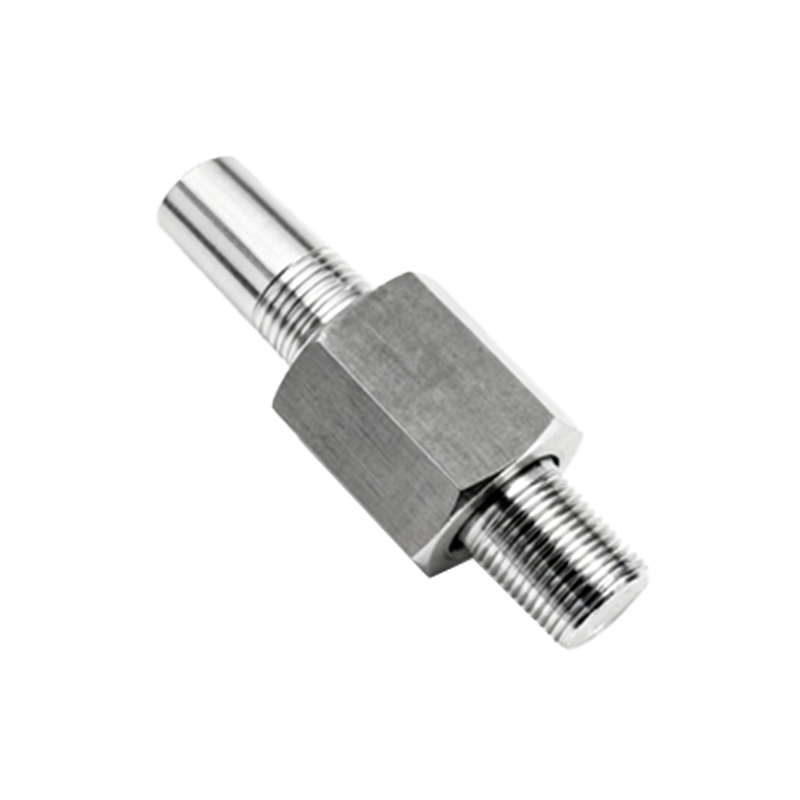
Photoelectric sensors utilize light beams to detect objects. They consist of a light emitter (usually an LED) and a receiver. When an object interrupts or reflects the light beam, the receiver detects the change and activates the switch. These sensors offer the longest detection ranges among standard proximity switches and are perfect for detecting small objects or performing tasks over distances. They are crucial in logistics for parcel sorting, in the pharmaceutical industry for label detection, and in automated storage and retrieval systems.

The reliability of Xuancheng proximity sensors is not accidental. It stems from rigorous manufacturing processes, stringent quality control, and a deep understanding of industrial challenges. These sensors are built to withstand extreme conditions. Many models feature robust housings made from materials like nickel-plated brass or stainless steel, offering high resistance to corrosion, impact, and temperature fluctuations. Their internal electronics are designed for stable performance, with protection against short-circuits, reverse polarity, and electromagnetic interference (EMI). This durability ensures minimal downtime and maintenance, a critical factor for cost-sensitive and continuous-operation industries.
Integration is another key strength. Modern proximity sensors from Xuancheng are designed for easy installation and connectivity. They often come with standardized mounting threads and connection systems, such as M8, M12, or M18 connectors, which are industry norms. This plug-and-play compatibility simplifies wiring and integration into existing control panels and networked systems like IO-Link, which allows for advanced parameter setting and diagnostic data retrieval. This smart sensor capability enables predictive maintenance, where potential issues can be identified before they cause a line stoppage.
The application scope is vast. In automotive manufacturing, these sensors ensure robotic arms weld at the correct points and that components are properly positioned. In packaging machinery, they control the precise filling and sealing of containers. In the electronics industry, they help in the delicate placement of components on circuit boards. Even in everyday applications like automatic doors, elevators, and security systems, the principles of proximity sensing play a vital role.
Choosing the right proximity sensor involves several considerations: the material of the target object, the required sensing distance, the environmental conditions (temperature, presence of contaminants), the output type needed (NPN or PNP, normally open or closed), and the required response speed. Engineers and procurement specialists often turn to Xuancheng manufacturers for their ability to provide tailored solutions and technical support, ensuring the selected sensor perfectly matches the application's demands.
In conclusion, Xuancheng proximity switch sensors represent a fusion of precision engineering and practical reliability. As industries globally push towards greater automation and efficiency—embracing concepts like Industry 4.0 and the Internet of Things (IoT)—the role of dependable sensing technology becomes ever more critical. The sensors produced in Xuancheng are