Introduction to High-Efficiency Photoelectric Sensors
High-efficiency photoelectric sensors have become indispensable in industrial automation, offering superior detection accuracy and reliability in demanding environments. Unlike traditional sensors, these advanced devices utilize optimized optics and electronics to minimize power consumption while maximizing response time and range. For electrical engineers and system integrators, understanding their operational principles is critical for optimizing production lines, conveyor systems, and packaging machinery.
Key Performance Parameters and Metrics
Efficiency in photoelectric sensors is measured by factors such as sensing distance, ambient light immunity, and response frequency. Modern sensors leverage pulsed infrared or visible red LEDs with advanced modulation techniques to detect objects as small as 0.5 mm at distances up to 30 meters. Additionally, low dark current photodiodes and high-gain amplifiers ensure stable operation even in dusty or highly reflective environments. For example, background suppression models reduce false triggers by precisely ignoring surfaces beyond the set threshold.
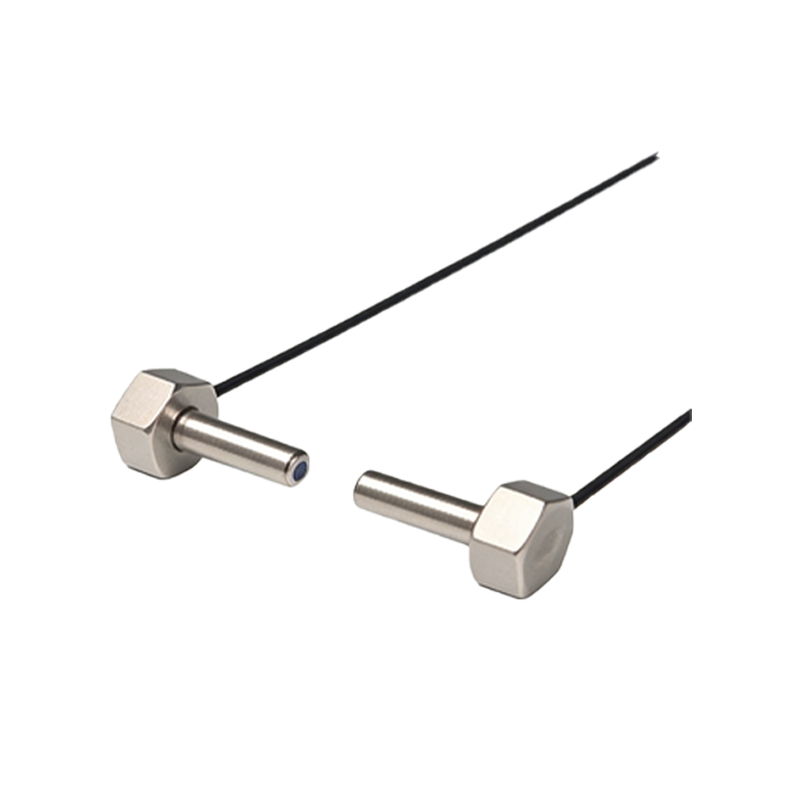
Energy-Saving Features and Design Innovations
Power efficiency is a hallmark of next-generation photoelectric sensors. Many models now integrate eco-mode circuits that automatically reduce emission intensity when the target is stationary or absent, cutting energy consumption by up to 50%. Furthermore, digital signal processing (DSP) units enable adaptive sensitivity adjustment, compensating for lens contamination or temperature drift without external calibration. These innovations extend sensor lifespan and reduce total cost of ownership in continuous 24/7 operations.
Application Examples in Industrial Settings
In automotive assembly lines, high-efficiency sensors detect small components like bolts or clips at high speeds, ensuring precise robot pick-and-place operations. In logistics, they monitor package flow on fast-moving conveyors with minimal dead zones. For harsh environments, such as food processing or chemical plants, IP69K-rated sensors with stainless steel housings resist washdown and corrosive agents while maintaining high detection efficiency.
Integration with Industry 4.0 and IO-Link
Modern photoelectric sensors are often equipped with IO-Link communication protocols, enabling real-time data exchange with PLCs and cloud-based monitoring systems. This allows engineers to remotely adjust sensing parameters, diagnose faults, and collect efficiency metrics. Such connectivity supports predictive maintenance, reducing unplanned downtime by up to 30% according to field studies.
Selection Criteria for Electrical Engineers
When specifying high-efficiency photoelectric sensors, consider operating wavelength (e.g., 650 nm red light for contrast-sensitive tasks), beam spot size, and output type (PNP/NPN or push-pull). Verify compatibility with existing wiring and controller inputs. For extreme conditions, evaluate models with built-in heater elements or anti-fog coatings. Always cross-check datasheet values for maximum ambient light tolerance (e.g., 100,000 lux for sunlight-exposed areas).
Conclusion and Future Outlook
High-efficiency photoelectric sensors continue to evolve with advancements in laser diodes, time-of-flight (ToF) technology, and AI-driven signal analysis. As factories pursue zero-defect manufacturing, these sensors will play a pivotal role in achieving sub-millimeter precision at production speeds exceeding 10,000 parts per minute. Investing in the right sensor technology today ensures scalable, energy-efficient automation for tomorrow.