Introduction to the HP LQ630K Photoelectric Sensor
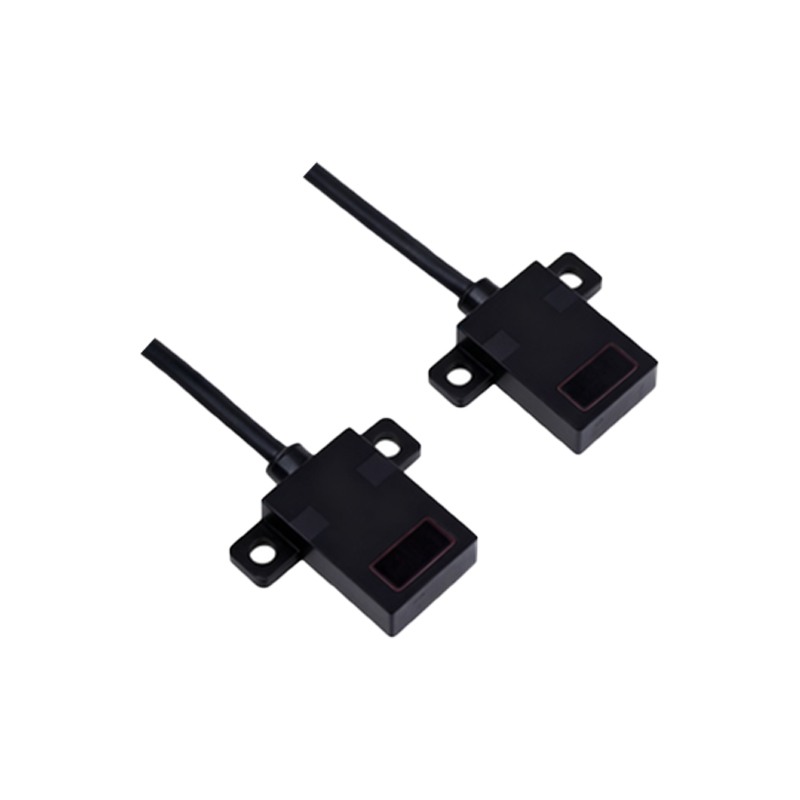
The HP LQ630K photoelectric sensor is a critical component in modern industrial automation and printing systems, particularly within the context of dot matrix printers and related equipment. As an electrical engineer specializing in sensor technology, I have observed that this sensor plays a pivotal role in detecting paper presence, edge alignment, and media jams. It operates on the principle of light emission and reception, utilizing an infrared LED and phototransistor pair to provide reliable non-contact detection. In this article, we will explore its operational principles, key technical specifications, installation guidelines, and troubleshooting strategies.
Operational Principles and Working Mechanism
The HP LQ630K sensor functions as a through-beam or reflective sensor, depending on the application setup. In the default configuration for printers, it uses a reflective mode where an infrared beam emitted from the LED bounces off the paper surface and is detected by the phototransistor. When no paper is present, the beam is interrupted or scattered, resulting in a change in output voltage. This signal is then interpreted by the printer’s control board to initiate or halt the printing process. Key electrical parameters include a typical operating voltage of 5V DC, a sensing distance of 3 to 10 mm, and a response time of less than 1 millisecond. Engineers must ensure that the sensor’s lens remains clean and free from dust or ink debris to maintain optimal sensitivity.
Technical Specifications and Performance Metrics
For industrial maintenance and replacement, understanding the HP LQ630K’s specifications is essential. The sensor typically features a wavelength of 940 nm (infrared), making it insensitive to ambient visible light. Its output is an open-collector NPN type, which can be directly connected to 3.3V or 5V logic circuits. The maximum rated current is 50 mA, and the power consumption is minimal at roughly 100 mW. The housing is often made of high-temperature-resistant plastic, rated for continuous operation up to 70°C. These metrics ensure compatibility with the LQ630K printer series and similar equipment used in logistics, banking, and manufacturing environments.
Installation and Calibration Guidelines
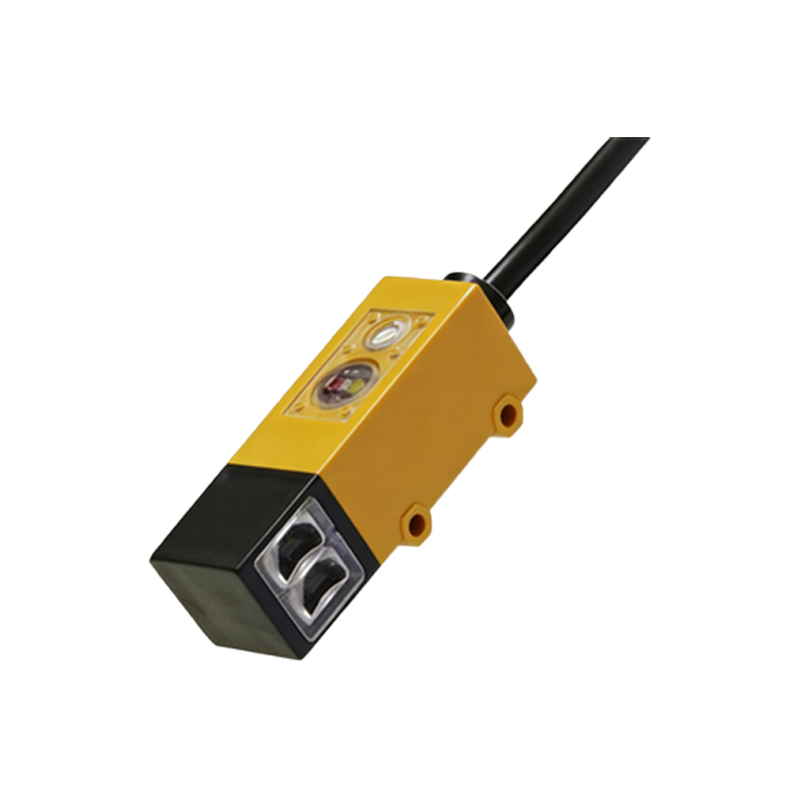
Proper installation of the HP LQ630K sensor is crucial for reliable operation. Begin by securing the sensor bracket to the printer’s chassis using M3 screws, ensuring the sensing window aligns with the paper path. Connect the three-wire harness: VCC (red), GND (black), and Signal (white or yellow). Apply power and adjust the potentiometer (if present) to set the threshold voltage, typically around 2.5V for a standard paper. Use a multimeter to verify that the signal line toggles between high (3.5V to 5V) and low (0V to 0.8V) states when paper is inserted and removed. Avoid overtightening the sensor mount, as physical stress can misalign the optical axis.
Common Faults and Troubleshooting Techniques
In field applications, engineers encounter several common issues with the HP LQ630K sensor. The most frequent problem is false triggering due to dust accumulation on the lens, which can be resolved by cleaning with isopropyl alcohol and a lint-free cloth. Another issue is intermittent detection caused by loose wiring or connector corrosion; inspect the harness for breaks and use dielectric grease on connectors. If the sensor fails to respond, measure the supply voltage at the sensor pins; a drop below 4.75V may indicate a power supply fault. For persistent failures, replace the sensor module with an OEM-certified unit, as third-party clones often have inconsistent sensitivity.
Integration with Control Systems and Signal Conditioning
To integrate the HP LQ630K sensor into a larger automation system, engineers must consider signal conditioning. The raw output is a digital pulse, but it can be filtered with a low-pass RC circuit (e.g., 10 kΩ resistor and 0.1 μF capacitor) to eliminate noise. For monitoring in PLC or microcontroller applications, use a pull-up resistor (1 kΩ to 10 kΩ) on the signal line. The sensor’s logic level is TTL-compatible, allowing direct interfacing with Arduino or Raspberry Pi GPIO pins. Additionally, the sensor can be used in safety circuits for paper jam detection, triggering an emergency stop if the signal remains low for more than 2 seconds.
Maintenance Best Practices for Longevity
Regular maintenance extends the lifespan of the HP LQ630K sensor. Schedule bi-weekly inspections for dirt, especially in dusty industrial environments. Use compressed air to blow out debris from the sensor cavity. Test the sensor’s output waveform with an oscilloscope annually; a clean square wave indicates healthy operation. Store spare sensors in anti-static bags and avoid exposure to temperatures above 85°C. By following these practices, the sensor can achieve a mean time between failures (MTBF) exceeding 50,000 hours, reducing downtime in critical printing operations.