Understanding Diffuse Reflection Photoelectric Sensors
Diffuse reflection photoelectric sensors are widely used in industrial automation for object detection without the need for a separate reflector. They operate by emitting a light beam, usually infrared or visible red, and detecting the reflected light from the target object itself. While robust, these sensors are prone to specific failures that can disrupt production lines. As an electrical engineer, I have encountered frequent issues ranging from environmental interference to component degradation. Understanding these failure modes is crucial for maintaining system reliability.
Common Failure 1: False Triggering Due to Background Interference

One of the most prevalent issues is false triggering caused by highly reflective backgrounds or nearby shiny objects. For instance, a sensor set to detect a matte black part may mistakenly trigger when a glossy metal surface enters its detection zone. This occurs because the sensor cannot distinguish between the intended target and a brighter background. To mitigate this, engineers should adjust the sensitivity threshold carefully. Using a sensor with a shorter sensing range or employing background suppression technology can also help. Additionally, ensuring the sensor is properly shielded from ambient light fluctuations, such as those from welding arcs or natural sunlight, is essential.
Common Failure 2: Reduced Sensing Range and Dust Accumulation
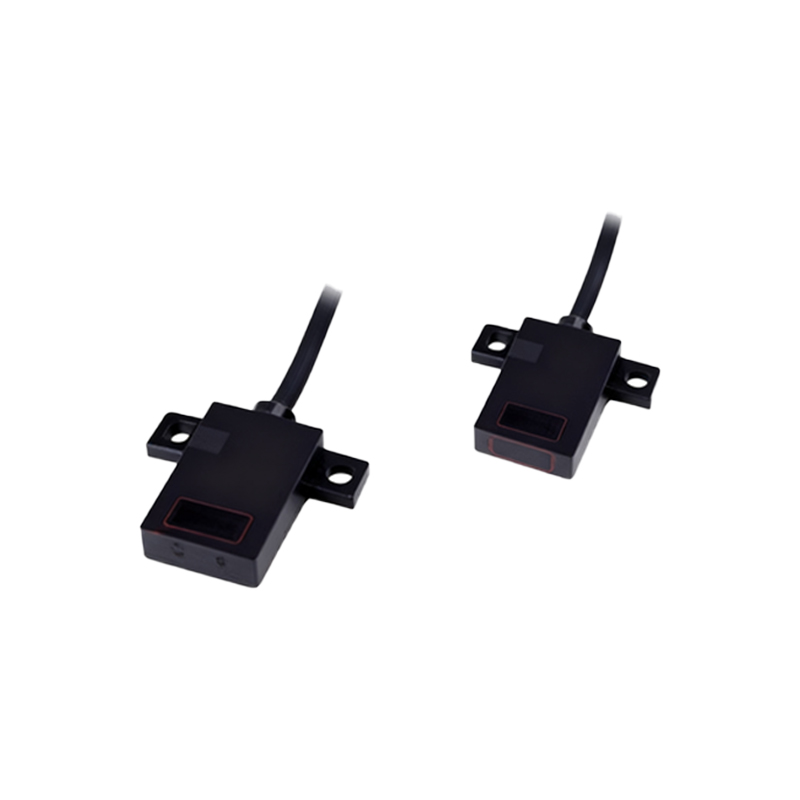
Dust, dirt, and oil mist are common in industrial environments, particularly in manufacturing plants for packaging, food processing, or automotive assembly. These contaminants accumulate on the sensor lens and front window, scattering the emitted light and reducing the effective sensing range by up to 50%. This leads to intermittent detection or complete failure. Regular cleaning schedules are necessary, but for harsh environments, consider using sensors with air purges or protective housings rated IP67 or higher. In extreme cases, switching to a fiber optic diffuse sensor can isolate the electronics from the contaminated area.
Common Failure 3: Temperature Drift and Electronic Component Aging
Temperature variations in industrial settings, such as near ovens or cooling tunnels, can cause electronic components inside the sensor to drift. This results in the sensor becoming less sensitive over time, leading to missed detections. Similarly, the LED emitter and photodiode receiver degrade with age, especially if operated near maximum capacity. I recommend implementing periodic calibration checks using a test target. For critical applications, use sensors with built-in temperature compensation or replace units every 3 to 5 years as part of preventive maintenance. Monitoring supply voltage stability is also important, as fluctuations can accelerate component wear.
Common Failure 4: Misalignment and Vibration Issues
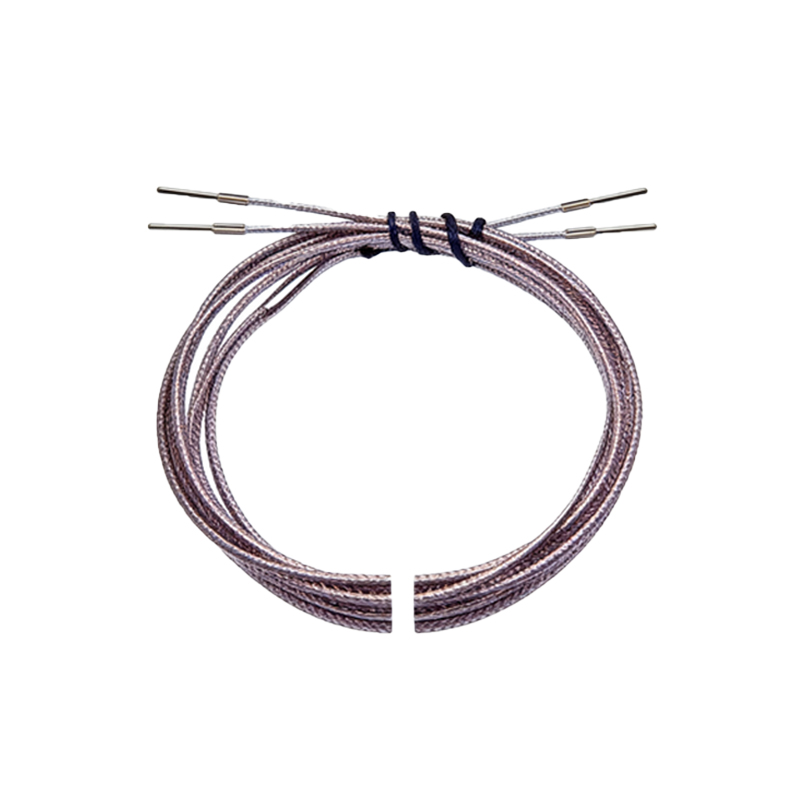
Vibration from heavy machinery, conveyor belts, or robotic arms can gradually misalign the sensor's optical axis. Unlike through-beam sensors, diffuse sensors are less sensitive to minor misalignment, but excessive vibration can still cause the emitted beam to miss the target area. This often manifests as erratic detection when the equipment is running but not during idle tests. To address this, mount the sensor on vibration-dampening brackets and use locking nuts. For sensors with adjustable heads, ensure they are tightened after alignment. In high-vibration zones, consider using fiber optic cable extensions to move the electronic head away from the vibration source.
Troubleshooting Steps and Best Practices
When a diffuse reflection photoelectric sensor fails, follow a systematic approach: first, verify the power supply and wiring connections against the manufacturer's diagram. Next, clean the lens with a lint-free cloth and industrial-grade isopropyl alcohol. Check the sensing distance against the datasheet specification using a standard test target with 90% reflectivity. If the sensor still malfunctions, replace it with a known-good unit to isolate the issue to the sensor or the controller. For long-term reliability, maintain a log of sensor failures to identify patterns, such as failures near heat sources or in dusty zones. Upgrading to sensors with IO-Link communication can provide diagnostic data for predictive maintenance.