Introduction and Market Overview
The photoelectric sensor industry is poised for significant growth, driven by advancements in automation, robotics, and the Internet of Things (IoT). As a core component in industrial sensing, these devices detect objects by emitting light and analyzing reflections. The global market, valued at over USD 2 billion in 2023, is expected to expand at a compound annual growth rate (CAGR) of 8.5% through 2030. This growth is fueled by demand for precision in manufacturing, logistics, and smart infrastructure. Engineers must stay updated on technological shifts, from traditional through-beam sensors to cutting-edge laser-based and fiber-optic systems. The adoption of Industry 4.0 further accelerates the need for reliable, high-speed sensors in harsh environments.
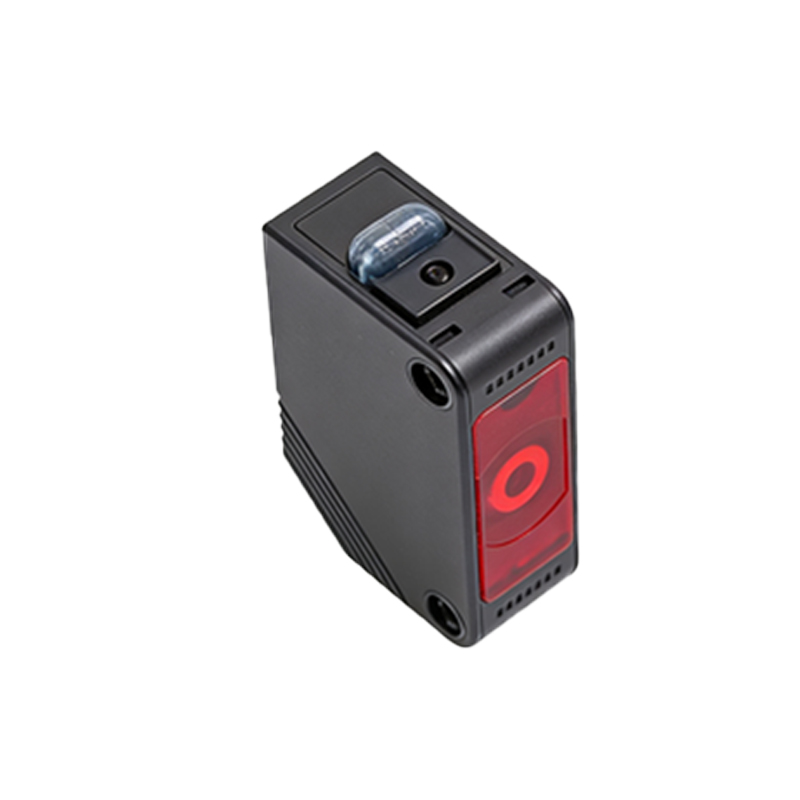
Key Drivers: Automation and Industry 4.0
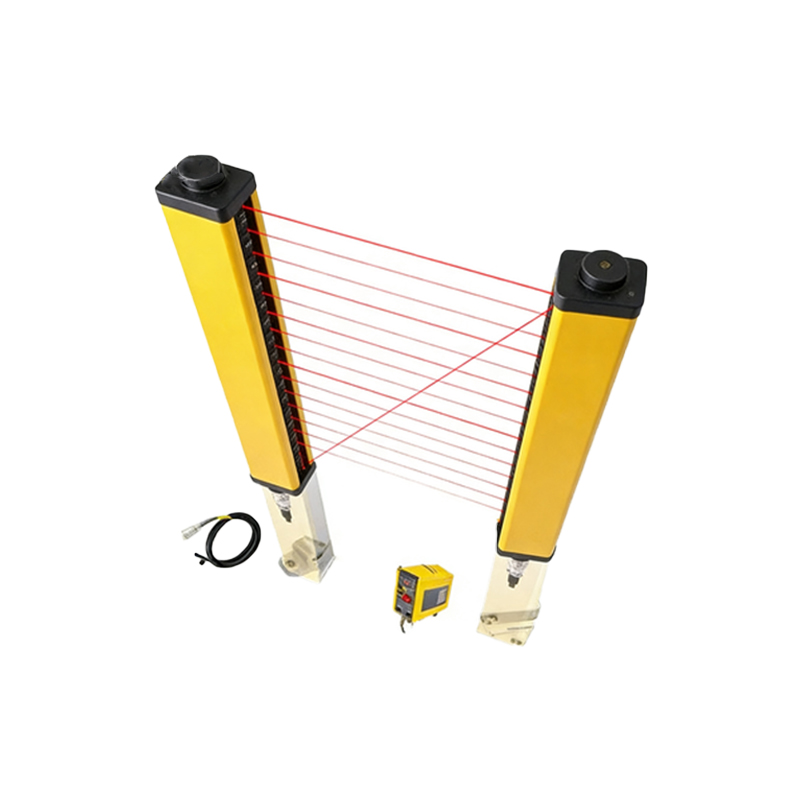
Automation remains the primary driver for photoelectric sensor adoption. In automated assembly lines, these sensors enable real-time object detection, positioning, and quality control. Industry 4.0 emphasizes interconnected systems, where sensors feed data into cloud-based analytics. For example, in automotive manufacturing, photoelectric sensors monitor component flow and detect defects, reducing downtime. The push for smart factories in regions like Germany, Japan, and China increases sensor deployment. Additionally, the logistics sector relies heavily on sensors for conveyor sorting and warehouse robotics. As factories become more autonomous, the demand for sensors with higher accuracy, longer range, and resistance to dust and vibration grows.
Technological Innovations: Laser and Fiber-Optic Sensors
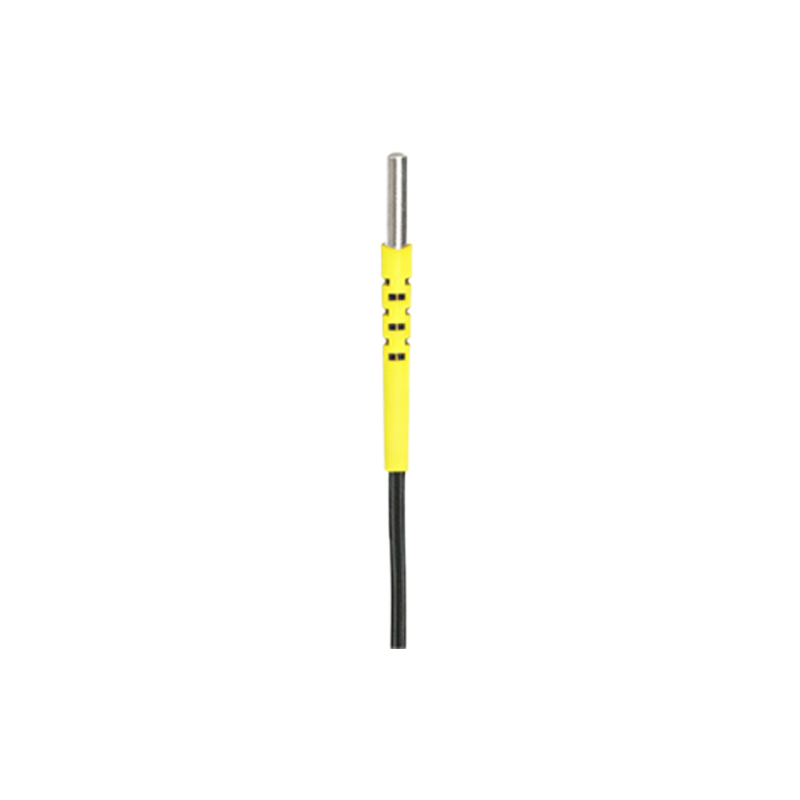
Recent innovations have expanded the capabilities of photoelectric sensors. Laser-based sensors offer millimeter-level precision for small object detection, crucial in electronics assembly. Fiber-optic sensors excel in extreme environments, such as high temperatures or chemical exposure, by separating the sensor from the sensing point. Newer models integrate time-of-flight (ToF) technology, enabling distance measurement and 3D mapping. These advancements support applications like autonomous guided vehicles (AGVs) and collaborative robots (cobots). For engineers, selecting the right sensor type—through-beam, retro-reflective, or diffuse—requires balancing cost, range, and environmental factors. The trend toward miniaturization also allows sensors to fit tighter spaces without sacrificing performance.
Market Trends: Smart Sensors and Connectivity
Smart sensors with built-in processing and communication capabilities are transforming the industry. These sensors can self-calibrate, diagnose faults, and communicate via IO-Link or Ethernet protocols. This reduces wiring complexity and enables predictive maintenance. In smart grids, photoelectric sensors monitor power line sagging and vegetation encroachment. The healthcare sector uses them for non-contact patient monitoring. Environmental sustainability is another trend; sensors help reduce energy waste in lighting systems and industrial processes. As a result, manufacturers are developing sensors with lower power consumption and recyclable materials. The integration with artificial intelligence (AI) allows for pattern recognition, such as detecting defective products in real-time.
Challenges and Solutions: Environmental and Cost Factors
Despite growth, the industry faces challenges. Ambient light interference, dust, and moisture can degrade sensor performance. Engineers must choose sensors with appropriate IP ratings (e.g., IP67 for washdown environments). Laser sensors require careful alignment to avoid eye safety issues. Cost remains a barrier for small to medium enterprises (SMEs); however, mass production and component commoditization are lowering prices. Solutions include using visible red LEDs for alignment ease and employing self-cleaning optics. For extreme conditions, fiber-optic sensors offer a robust alternative. Education and training for maintenance staff are crucial to maximize sensor lifespan. The industry is also developing standards, like IEC 60947-5-2, to ensure interoperability.
Future Outlook: IoT Integration and Beyond
Looking ahead, photoelectric sensors will become integral to the IoT ecosystem. With 5G connectivity, sensors can transmit data with low latency, enabling real-time decision-making. In autonomous vehicles, LiDAR systems—a form of photoelectric sensing—are critical for navigation. The agricultural sector uses sensors for crop monitoring and irrigation control. Researchers are exploring quantum dot and plasmonic sensors for ultra-high sensitivity. By 2030, the market may see sensors that adapt to changing light conditions automatically. For electrical engineers, continuous learning in optics, embedded systems, and data analytics will be essential. The convergence of photoelectric sensing with robotics, AI, and edge computing promises a future where machines perceive the world with unparalleled accuracy.