Introduction to OSQ18 Photoelectric Sensor
The OSQ18 photoelectric sensor is a high-performance, compact device designed for reliable object detection in demanding industrial environments. Built with advanced optics and robust construction, it offers precise sensing capabilities for automation, packaging, and material handling systems. This sensor operates on the principle of light emission and reception, detecting changes in reflected or interrupted light beams to identify objects regardless of material, color, or surface finish.
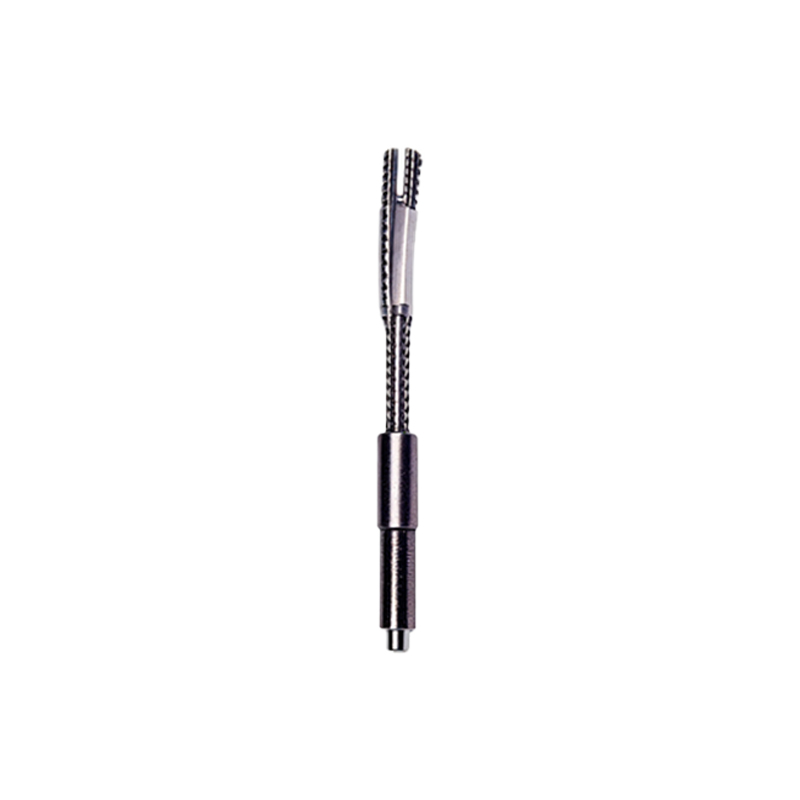
Key Technical Specifications and Features
The OSQ18 sensor features a rugged IP67-rated housing, ensuring protection against dust and water ingress. It supports multiple sensing modes, including through-beam, retro-reflective, and diffuse reflection, with a maximum range of up to 15 meters for through-beam configurations. Operating on a 10-30 VDC supply, it provides a fast response time of less than 1 millisecond. Additionally, the sensor incorporates a visible red LED indicator for alignment and status monitoring, along with adjustable sensitivity via a potentiometer for fine-tuning in complex applications.
Installation and Wiring Guidelines
Proper installation is crucial for optimal performance. Mount the OSQ18 sensor on a stable surface using the provided bracket, ensuring alignment with the target object. For through-beam models, align the emitter and receiver directly facing each other without obstructions. Wiring follows standard color codes: brown for power (10-30 VDC), blue for ground, and black for output signal. Use shielded cables in high-EMI environments to minimize interference. Test the sensor by activating the power and observing the LED indicator; a steady green light signifies normal operation, while a flashing red indicates alignment issues.
Common Applications in Industrial Automation
The OSQ18 sensor is widely used in conveyor systems for product counting and position detection. In packaging lines, it verifies the presence of labels or caps. It also excels in material handling, detecting pallets or boxes in automated storage systems. For metalworking, its diffuse mode can identify parts on moving belts. Its reliability in dusty or wet conditions makes it ideal for food processing and automotive assembly lines.
Troubleshooting and Maintenance Tips
Common issues include false triggers due to ambient light or reflective surfaces. To resolve this, adjust the sensitivity setting or use a retro-reflective mode with a polarized filter. Regular cleaning of the lens with a soft, lint-free cloth ensures consistent performance. If the sensor fails to detect objects, check the power supply voltage and cable connections. For persistent problems, consult the datasheet for specific error codes or contact technical support.
Advantages Over Competing Sensors
Compared to similar models like the M18 or QS18 series, the OSQ18 offers a longer sensing range and higher immunity to background interference. Its compact design allows for easier integration into tight spaces, while the IP67 rating outperforms many entry-level sensors. The adjustable sensitivity and multiple output options (PNP/NPN) provide flexibility for diverse control systems, reducing the need for additional programming.
Conclusion and Final Recommendations
The OSQ18 photoelectric sensor is a cost-effective solution for industrial automation, delivering accuracy and durability. For best results, select the correct sensing mode based on your application, ensure proper alignment, and perform routine maintenance. When paired with a compatible controller, it enhances system efficiency and reduces downtime. Consider the OSQ18 for your next project to achieve reliable detection in challenging environments.