Introduction to Photoelectric Sensors in Security Systems
As a senior electrical engineer specializing in industrial automation, I have witnessed the transformative role of photoelectric sensors in modern security applications. These devices, which use light beams to detect the presence, absence, or distance of objects, are now integral to perimeter protection, access control, and hazard detection in manufacturing and logistics environments. Unlike traditional mechanical switches, photoelectric sensors offer non-contact detection, high reliability, and immunity to dust and vibration, making them ideal for harsh industrial settings. Their ability to operate over long ranges and in varying light conditions ensures robust security coverage.
Key Types of Photoelectric Sensors for Security
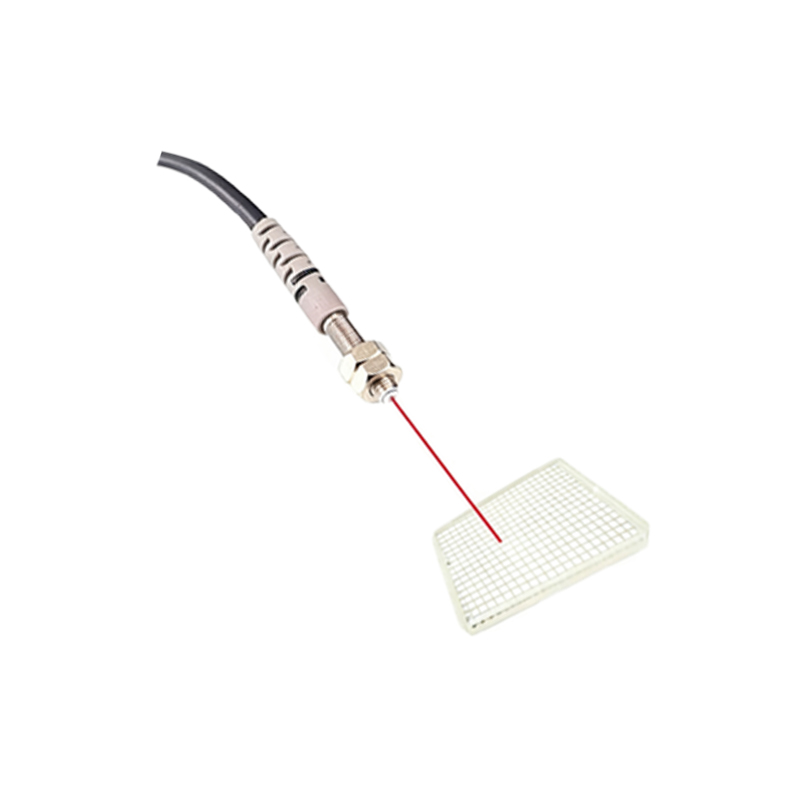
For effective security deployments, selecting the right sensor type is critical. Through-beam sensors consist of separate emitter and receiver units, providing the longest detection range and highest immunity to contamination. They are perfect for perimeter fences or entry gates. Retro-reflective sensors use a reflector to bounce the beam back, offering a compact solution for medium-range applications like warehouse aisle monitoring. Diffuse sensors detect objects by reflecting light directly off the target, ideal for short-range presence detection in conveyor belts or machine guards. Each type offers unique advantages based on environmental factors such as ambient light, fog, or reflective surfaces.
Integration into Industrial Security Architectures
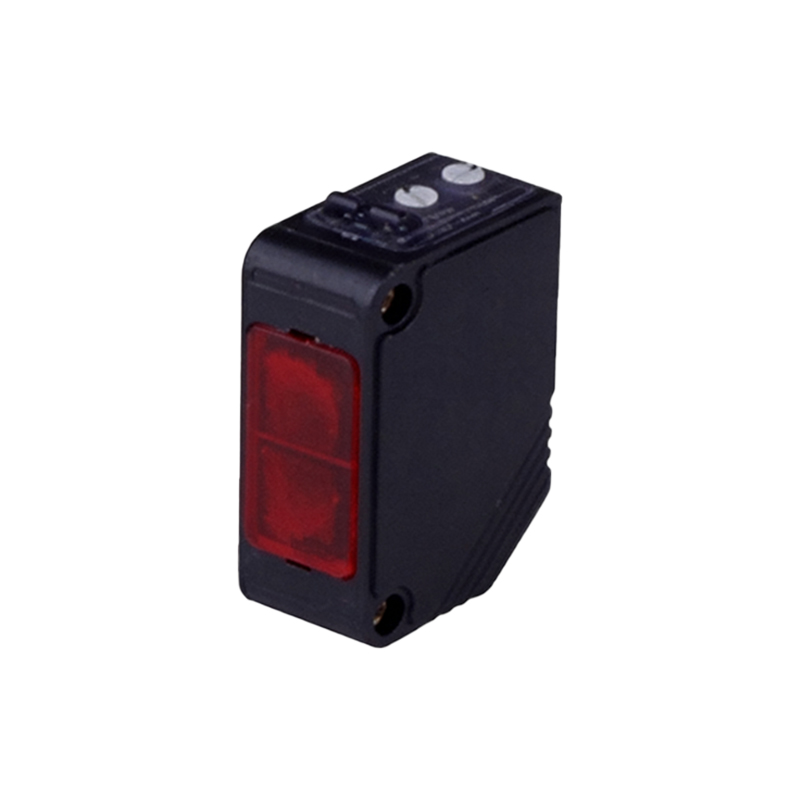
Integrating photoelectric sensors into existing security systems requires careful planning. These sensors typically output digital signals (NPN/PNP) or analog voltages, which can be fed into programmable logic controllers (PLCs) or security management platforms. For advanced applications, IO-Link enabled sensors provide real-time diagnostics and parameter adjustments. When designing a system, engineers must consider sensor placement to avoid blind spots, cable routing to minimize interference, and compliance with safety standards like IEC 61496. For example, in a warehouse, pairing through-beam sensors at entry points with diffuse sensors on rack ends can prevent unauthorized access while detecting product theft.

Overcoming Environmental Challenges
Industrial environments pose significant challenges for optical sensors. Dust, oil mist, and extreme temperatures can degrade performance. To address this, I recommend using sensors with high IP ratings (e.g., IP67 or IP69K) and protective housings. For outdoor installations, consider sensors with automatic gain control and anti-ripple circuitry to maintain stable detection under changing sunlight or rain. In cold storage facilities, heated optics prevent condensation. Additionally, using modulated light (pulsed infrared) reduces interference from ambient lighting, ensuring reliable operation even in high-bay warehouses with overhead lights.
Case Study: Photoelectric Sensor Application in a Manufacturing Plant
A recent project involved securing a automotive parts plant. We deployed through-beam sensors along the perimeter fence, retro-reflective sensors at employee entrances, and diffuse sensors inside assembly lines to detect tool removal. The system was integrated with a central PLC, triggering alarms and camera recordings upon any beam break. After six months of operation, the false alarm rate was below 0.5%, and response time improved by 40%. This demonstrates how photoelectric sensors, when correctly selected and installed, provide cost-effective and reliable security without interfering with production workflows.
Best Practices for Maintenance and Calibration
To ensure long-term security performance, routine maintenance is essential. Engineers should schedule quarterly inspections to clean sensor lenses, check alignment, and verify sensitivity levels. Use alignment tools like laser pointers or built-in indicators to optimize beam paths. For critical zones, implement redundant sensors with voting logic to prevent single-point failures. Finally, keep spare sensors and reflectors in stock, as component degradation or accidental damage can occur. Regular firmware updates for smart sensors also enhance functionality.
Future Trends in Photoelectric Security Sensors
The evolution of photoelectric technology is driving smarter security solutions. I see growing adoption of time-of-flight (ToF) sensors for 3D spatial detection, enabling precise tracking of personnel and assets. LiDAR-based photoelectric systems are emerging for large-area perimeter surveillance. Additionally, integration with IoT platforms allows remote monitoring and predictive maintenance via cloud analytics. As an engineer, I advise staying updated with these trends to future-proof security infrastructure, especially in Industry 4.0 environments where real-time data and automation are paramount.