Understanding the Challenge of Barcode Contrast
Photoelectric sensors are widely used in industrial automation for barcode detection, but black and white codes present a unique contrast challenge. Traditional sensors often struggle with low-contrast backgrounds or reflective surfaces. As an engineer, you must consider the sensor's light source wavelength and receiver sensitivity. For black bars on white backgrounds, the sensor relies on diffuse reflection; black absorbs light, while white reflects it. This difference in reflectivity can be as low as 10-20% for black and up to 90% for white. Selecting a sensor with a narrow beam and high excess gain is critical to distinguish these boundaries accurately.
Key Factors for Reliable Detection
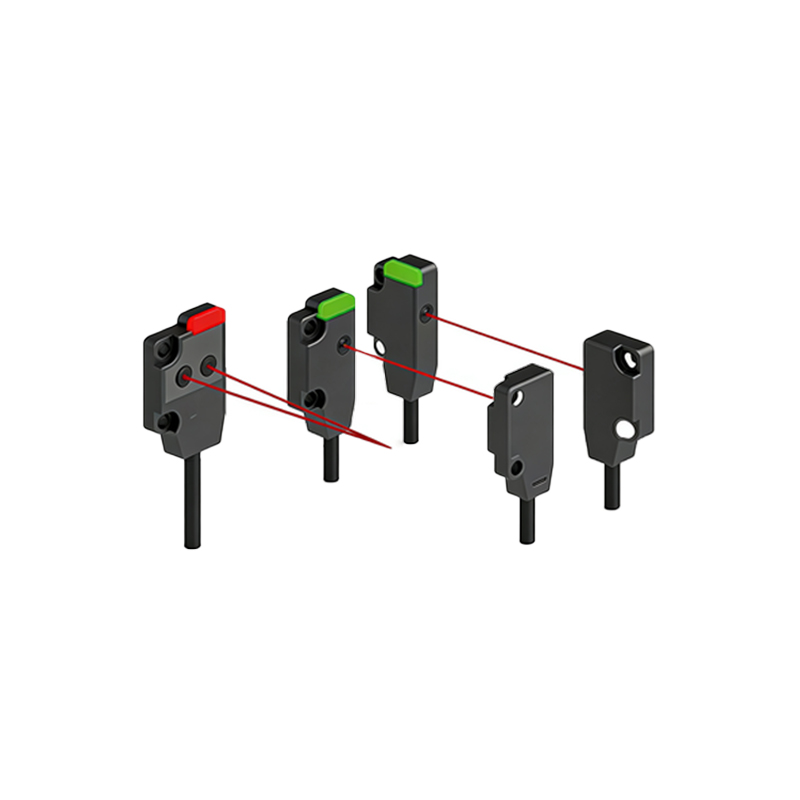
Three factors determine success: background suppression, response time, and ambient light immunity. Background suppression ensures the sensor ignores the substrate material, focusing only on the code. For example, a polarized retroreflective sensor reduces false triggers from glossy surfaces. Response time must be fast enough to read high-speed moving codes, typically below 1 millisecond. Additionally, ambient light from nearby machinery can cause interference; using modulated light or infrared LEDs helps filter out noise. Always test the sensor in your specific environment, as factory lighting varies.
Recommended Sensor Types and Settings
For black and white barcodes, diffuse reflective sensors with red LED light (660 nm) are standard, as they provide optimal contrast. If the background is also white, consider a convergent beam sensor with a fixed focal point. Adjust the sensitivity threshold manually or via auto-teach mode. In my experience, setting the threshold at 50% of the maximum reflectance difference yields the best results. For high-speed lines, use a photoelectric sensor with a built-in amplifier and NPN/PNP output compatibility. Ensure the cable shielding is grounded to prevent electromagnetic interference from motors.
Practical Troubleshooting Tips
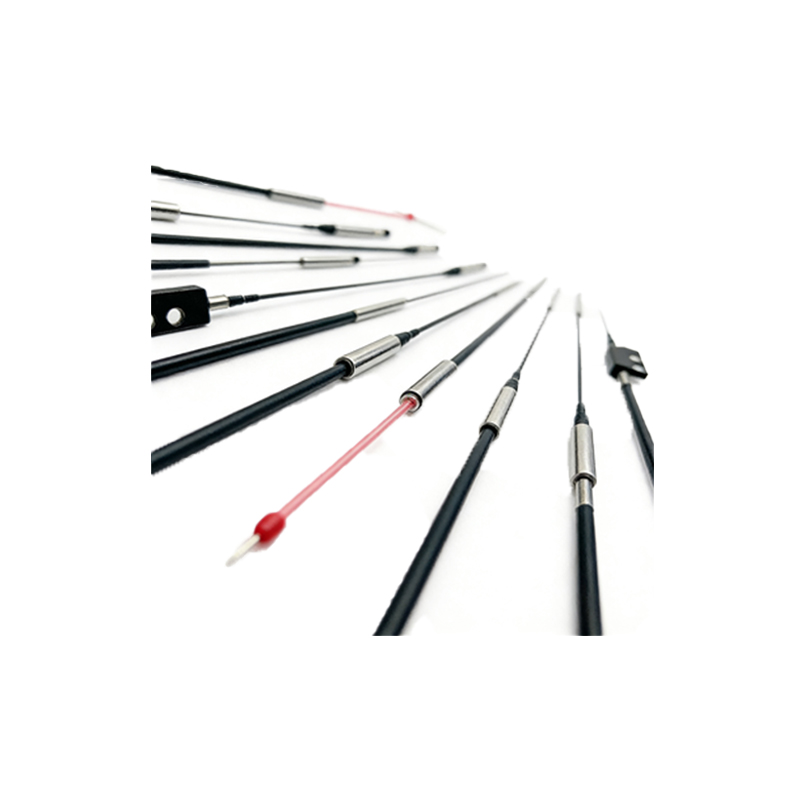
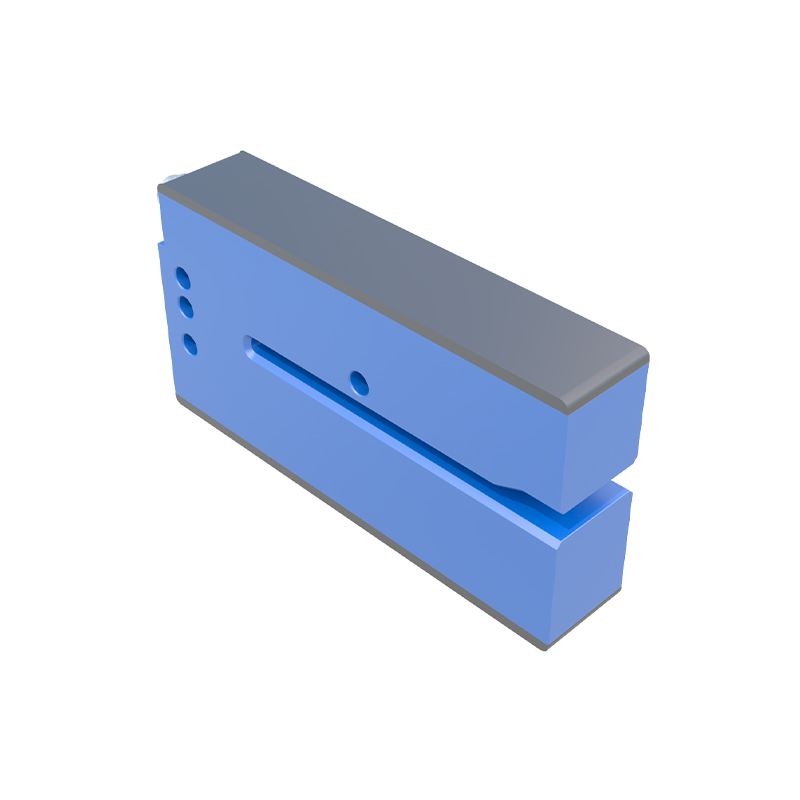
Common issues include intermittent reading or false detection. First, check the sensor alignment; even a 1-degree misalignment can reduce detection range by 20%. Clean the lens regularly, as dust or oil film scatters light. If the code is on a curved surface, use a slot sensor or fiber optic attachment. For low-contrast scenarios like gray backgrounds, swap to a blue LED sensor (470 nm) which enhances black-white difference. Record your calibration parameters for each barcode type to streamline future setup.
Conclusion: Integration into Your System
Integrating photoelectric sensors for barcode reading requires a systematic approach. Calibrate the sensor with the actual barcode sample, not a theoretical one. Use a PLC with fast input modules to capture the sensor's digital signal. For advanced applications, consider smart sensors with IO-Link communication, allowing real-time data logging. Always refer to the manufacturer's datasheet for maximum switching frequency and operating voltage stability. By following these guidelines, you can achieve reliable detection rates above 99.9% in industrial environments.