Understanding Photoelectric Sensor Power Ratings - Factors Influencing Photoelectric Sensor Power Consumption - Typical Power Ranges for Common Sensor Types - Implications for System Design and Energy Efficiency - Comparison with Other Industrial Sensors
Photoelectric sensors are widely used in industrial automation for object detection, positioning, and counting. Their power consumption is a critical factor for system design, energy efficiency, and compatibility with control systems. Generally, the power rating of a photoelectric sensor varies based on its type, sensing distance, output configuration, and technology. Most standard models consume between 10 mA and 50 mA at a typical supply voltage of 10 to 30 V DC, translating to power levels from 0.1 W to 1.5 W. For AC-powered sensors, power consumption may range from 1 VA to 5 VA. Understanding these values helps engineers select appropriate power supplies and minimize energy waste in large-scale installations.
Factors Influencing Photoelectric Sensor Power Consumption
The power draw of a photoelectric sensor is influenced by several key factors. Firstly, the sensing principle matters: through-beam sensors often require more power due to separate emitter and receiver units, while diffuse reflective sensors are typically more energy-efficient. Secondly, the output type plays a role: solid-state outputs like NPN or PNP transistors consume less power than relay outputs. Thirdly, advanced features such as background suppression, IO-Link communication, or adjustable sensitivity can increase power usage. Additionally, ambient conditions like temperature and humidity may affect internal circuitry efficiency. For example, a high-performance sensor with a 20-meter range might draw up to 100 mA, whereas a compact sensor for short-range detection might use only 15 mA.
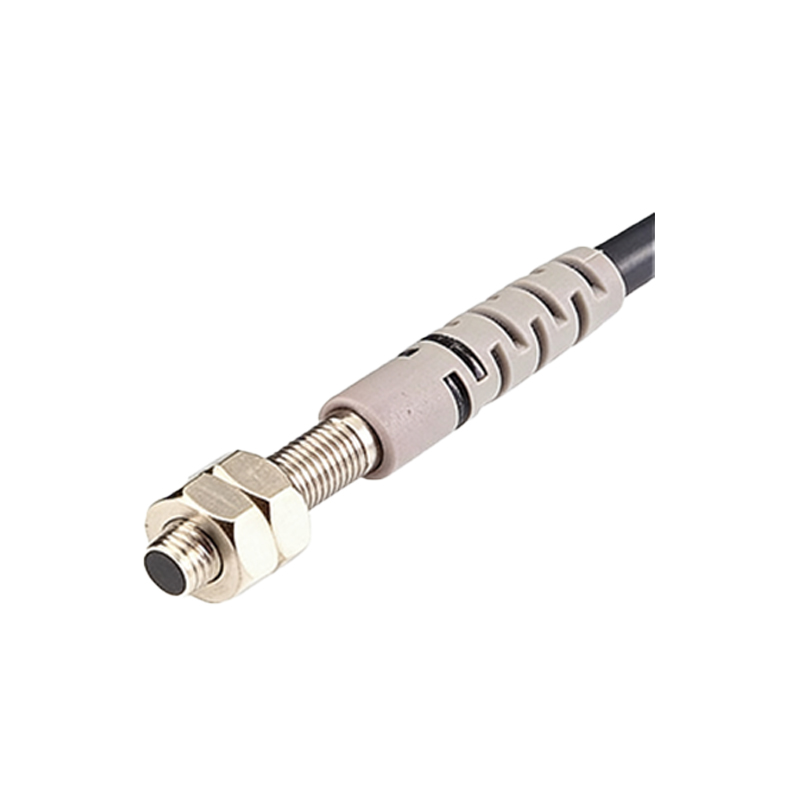
Typical Power Ranges for Common Sensor Types
To provide a practical reference, here are typical power consumption ranges for common photoelectric sensor categories under 24 V DC operation:
- Through-beam sensors: 20 mA to 60 mA (0.48 W to 1.44 W) due to continuous emission and reception.
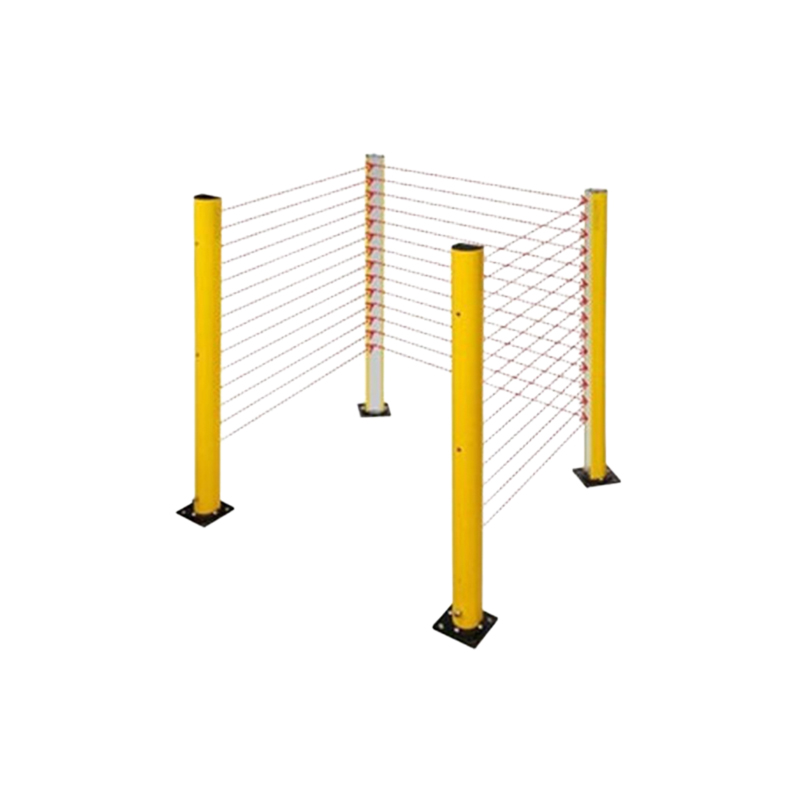
- Retro-reflective sensors: 15 mA to 40 mA (0.36 W to 0.96 W), slightly lower as they rely on a reflector.
- Diffuse reflective sensors: 10 mA to 30 mA (0.24 W to 0.72 W), often the most energy-efficient.
- Fiber optic sensors: 20 mA to 50 mA (0.48 W to 1.2 W), depending on amplifier module.
- Smart sensors with IO-Link: 30 mA to 80 mA (0.72 W to 1.92 W) due to additional communication circuitry.
These values are averages; always consult the datasheet for exact specifications. For battery-powered or low-power applications, consider sensors with sleep modes or lower voltage requirements.
Implications for System Design and Energy Efficiency
When designing an automation system, the cumulative power consumption of multiple sensors must be considered. For example, a production line with 100 photoelectric sensors consuming an average of 30 mA each at 24 V DC would require 3.6 W total, but inrush current and cable losses can add 20% margin. Engineers should also account for power supply derating and temperature effects. For energy-critical applications, selecting sensors with low standby current (e.g., less than 5 mA) or using pulsed LED operation can reduce overall power draw. Modern sensors often include diagnostic features to monitor power usage, aiding in preventive maintenance and reducing downtime.
Comparison with Other Industrial Sensors
Compared to other sensor types, photoelectric sensors are moderately power-efficient. For instance, inductive proximity sensors typically consume 10 mA to 20 mA at 24 V DC, while ultrasonic sensors may draw 20 mA to 60 mA. Laser-based sensors, however, can demand up to 100 mA or more due to precise optics and alignment. In contrast, photoelectric sensors offer a balance of range, reliability, and power consumption. For specific applications requiring high-speed detection or long distances, the power trade-off is often acceptable. Always verify compatibility with PLC input modules, as some outputs may have voltage drop limitations at higher currents.