Introduction to the Slot-Type Photoelectric Sensor 672
The slot-type photoelectric sensor 672 is a robust and reliable component widely used in industrial automation systems. Designed for precise object detection within a confined space, this sensor operates by emitting a light beam across a U-shaped slot, which is interrupted by objects passing through. As an electrical engineer, I appreciate its simplicity and effectiveness in applications such as conveyor belt monitoring, packaging machinery, and material handling. The 672 model offers high repeatability and resistance to environmental factors like dust and vibration, making it suitable for harsh factory floors.
Key Technical Specifications
The 672 sensor features a slot width of typically 10 to 30 mm, with an infrared or visible red light source for stable performance. Its response time is under 1 ms, enabling high-speed detection of moving parts. The output is commonly NPN or PNP open-collector, compatible with most PLCs and controllers. Operating voltage ranges from 10 to 30 VDC, with an ambient temperature tolerance of -20°C to 60°C. These specs ensure reliable operation in diverse industrial environments, from clean labs to dusty assembly lines.
Application Scenarios in Manufacturing
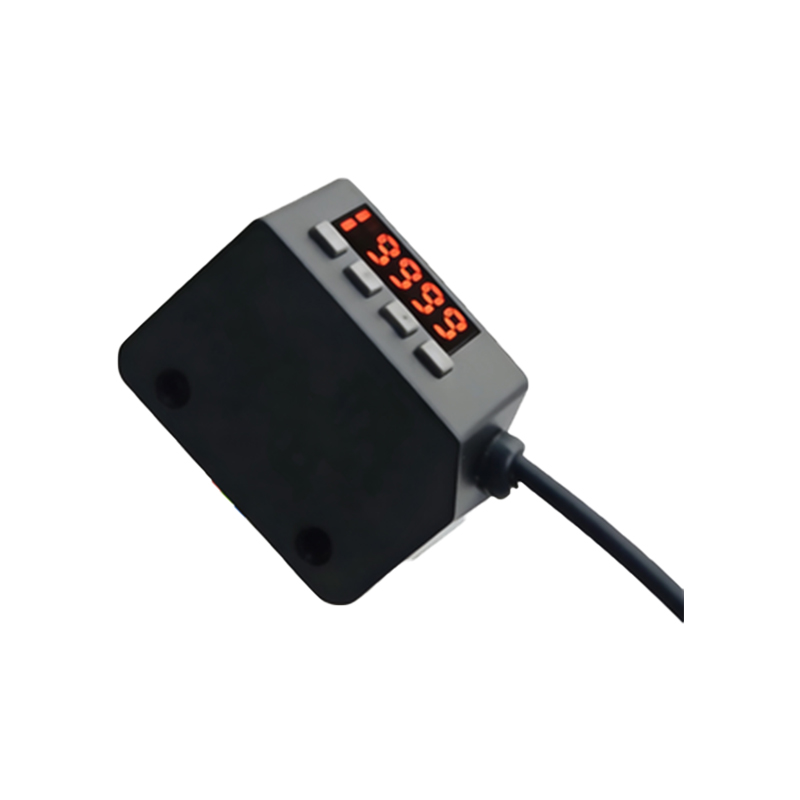
In manufacturing, the 672 sensor excels in detecting small components like labels, caps, or pins on high-speed lines. For instance, in a bottle filling plant, it verifies cap presence by sensing the interruption of the light beam. Similarly, in automotive assembly, it monitors part alignment during robotic pick-and-place operations. The sensor's compact design allows easy integration into tight spaces, reducing the need for complex mounting brackets. Its immunity to ambient light interference ensures consistent performance even in brightly lit areas.
Installation and Calibration Guidelines
Proper installation is crucial for maximizing sensor life. Mount the sensor away from direct sunlight and excessive moisture. Align the emitter and receiver within the slot to avoid misalignment. For calibration, adjust the sensitivity potentiometer to set the detection threshold based on object opacity. Use a test object similar to actual targets to fine-tune the response. Always secure cables with strain relief to prevent damage. Regular cleaning of the slot windows with a soft cloth prevents accumulation of debris that could cause false triggers.
Troubleshooting Common Issues
If the sensor fails to detect objects, first check power supply voltage and wiring connections. A fluctuating output may indicate misalignment or a dirty lens. When false triggers occur, reduce sensitivity or install shielding against external light sources. For intermittent faults, inspect the cable for cuts or pinches. In my experience, updating firmware on older PLCs can resolve compatibility issues. If the sensor is exposed to extreme temperatures, consider adding thermal insulation. These steps minimize downtime and maintain production efficiency.
Why Choose the 672 for Your System
The 672 slot-type sensor offers a cost-effective solution without compromising accuracy. Its rugged design reduces maintenance needs, and the fast response enhances throughput. Compared to through-beam sensors, it requires no separate emitter-receiver alignment, simplifying installation. For engineers seeking a proven, industry-standard component, the 672 is a reliable choice. Whether upgrading an existing system or designing a new line, this sensor delivers consistent performance in demanding conditions.