Introduction to Wire-Controlled Photoelectric Sensors
Wire-controlled photoelectric sensors are critical components in modern industrial automation systems. Unlike wireless alternatives, these sensors rely on physical cables for power and signal transmission, ensuring stable and interference-free operation in electrically noisy environments. They detect the presence, absence, or position of objects using light beams, making them ideal for applications like conveyor belt monitoring, packaging, and assembly lines. Their robust design and reliable performance make them a top choice for manufacturing facilities demanding precision and durability.
Working Principle and Key Components
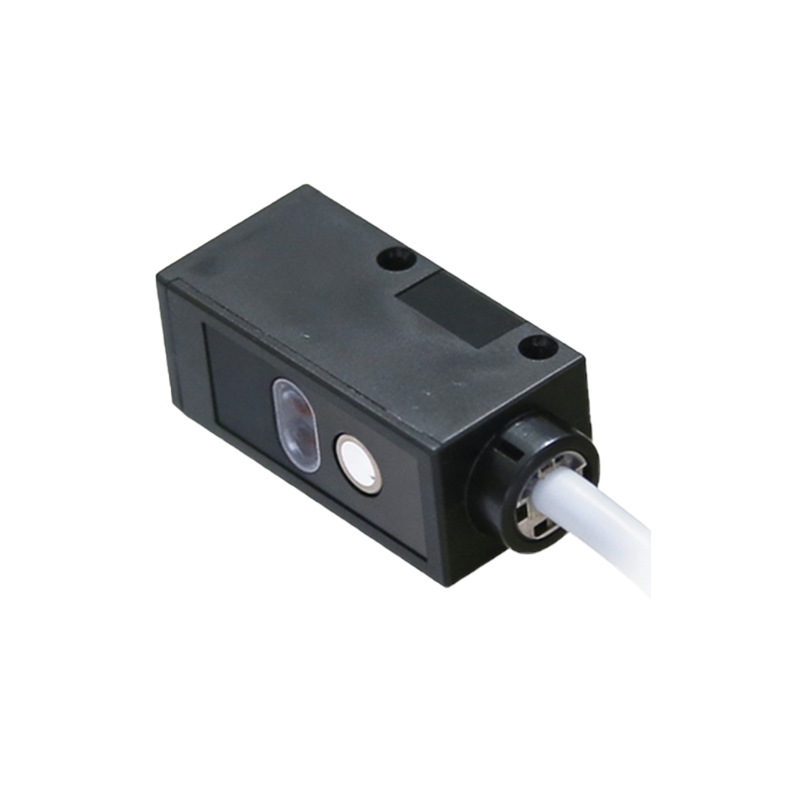
These sensors operate by emitting a light beam from an emitter and measuring the light received by a detector. The most common types include through-beam, retro-reflective, and diffuse sensors. In wire-controlled versions, the control circuit and power supply are connected via shielded cables to minimize signal degradation. Key components include an LED or laser diode as the light source, a photodiode or phototransistor as the receiver, and a microprocessor for signal processing. The cable also carries control signals to interface with PLCs or relays, enabling real-time response to object presence.
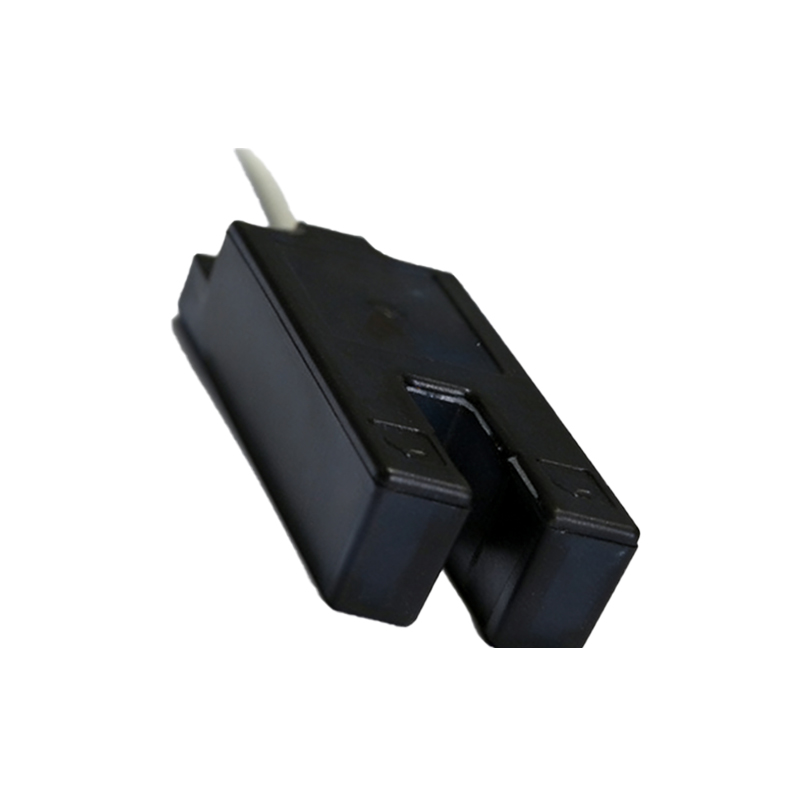
Advantages of Using Wire-Controlled Sensors
Wire-controlled photoelectric sensors offer several benefits over wireless models. First, they provide lower latency because no signal conversion or transmission delay occurs. Second, they are immune to radio frequency interference and electromagnetic interference, common in factories with heavy machinery. Third, the wired connection ensures continuous power supply, eliminating battery replacement concerns. Additionally, these sensors are easier to troubleshoot using cable continuity tests and offer higher reliability in harsh conditions like dust, moisture, or temperature extremes.
Applications in Manufacturing and Logistics
In manufacturing, these sensors are used for assembly line object counting, part orientation detection, and safety zone monitoring. For example, a through-beam sensor pair can detect small parts on a fast-moving conveyor. In logistics, they manage warehouse automation by tracking package presence on sorting systems. Retro-reflective sensors are popular for detecting transparent or glossy items, such as glass bottles in beverage plants. Their wired design is particularly advantageous in long-distance applications where signal strength must be maintained over hundreds of meters.
Selection Criteria and Installation Tips
When selecting a wire-controlled photoelectric sensor, consider factors like sensing distance, object material, ambient light conditions, and cable length. For dusty environments, choose sensors with pre-wired IP67-rated connectors. Installation requires careful cable routing to avoid strain or sharp bends. Use shielded cables to reduce noise, and ensure proper grounding. Calibration is straightforward: align the emitter and detector, adjust sensitivity via potentiometer, and test with actual objects. Always refer to the datasheet for maximum cable length and voltage drop specifications.
Future Trends and Maintenance Best Practices
Future developments include integration with Industry 4.0 protocols like IO-Link, allowing wire-controlled sensors to transmit diagnostics and configuration data over the same cable. Maintenance involves regular cleaning of optical surfaces, checking cable integrity for cuts or corrosion, and verifying alignment. With proper care, these sensors can operate for years in demanding industrial settings. As automation demands increase, the reliability of wire-controlled photoelectric sensors will remain indispensable for precision control and safety.