Fundamental Operating Principles
Photoelectric sensors, such as those developed by Xili, operate on the principle of converting light signals into electrical signals to detect the presence, absence, or distance of an object. The core components typically include an emitter (light source), a receiver (photodetector), and associated signal processing circuitry. The emitter projects a beam of light—often infrared, visible red, or laser—towards a target. The receiver then detects changes in the received light beam's properties. These changes can be a complete interruption of the beam (through-beam mode), a reflection from the target (retro-reflective or diffuse reflective mode), or a modulation in its intensity or time-of-flight. The sensor's electronics interpret this change and trigger a corresponding digital or analog output signal. This non-contact detection method offers significant advantages in terms of speed, precision, and longevity, as it eliminates mechanical wear and tear associated with physical contact switches.
Primary Types and Sensing Modes
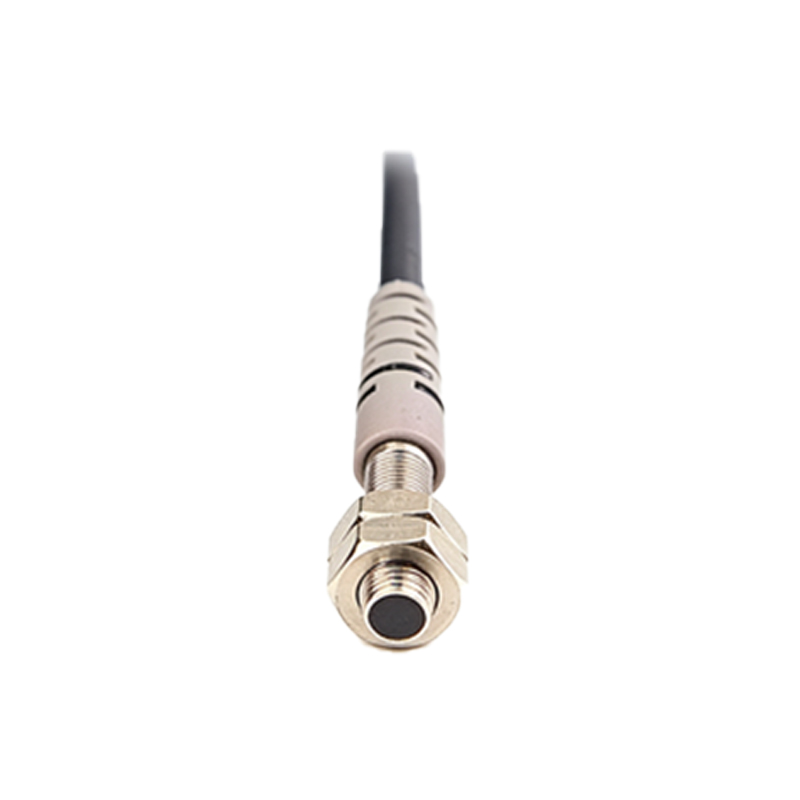
Xili photoelectric sensors are categorized based on their sensing methodology, each suited for specific environmental and application challenges. The first type is the Through-Beam Sensor, also known as the opposed mode. It consists of separate, physically aligned emitter and receiver units. Detection occurs when an object breaks the light beam traveling between them. This type offers the longest sensing range and highest reliability, as it is largely immune to the object's color, reflectivity, or surface finish. The second common type is the Retro-Reflective Sensor. Here, the emitter and receiver are housed in a single unit. The sensor emits light towards a specialized reflector, which bounces the beam directly back to the receiver. An object is detected when it interrupts this return path. These sensors are easier to install than through-beam models but require a clear line-of-sight to the reflector. The third major category is the Diffuse Reflective Sensor. In this self-contained design, the sensor detects light reflected directly off the target object itself. Its effective range depends heavily on the object's size, color, and surface texture, making it ideal for applications where mounting a reflector or separate receiver is impractical.
Key Technical Specifications and Selection Criteria
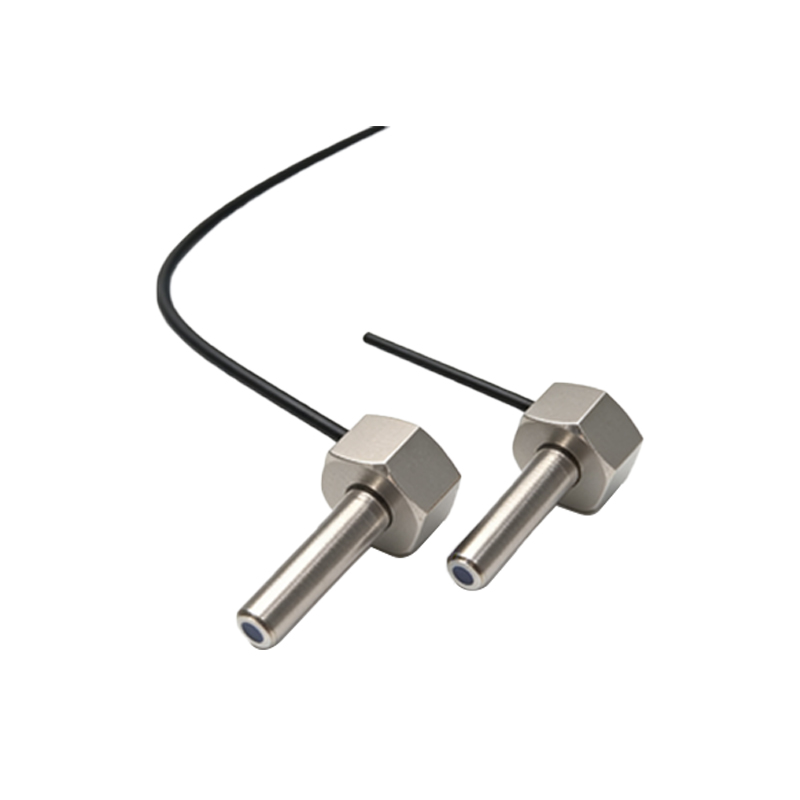
Selecting the appropriate Xili photoelectric sensor requires careful analysis of several technical parameters. Sensing Range is the maximum distance at which the sensor can reliably detect a standard target. Response Time, measured in milliseconds or microseconds, determines how quickly the sensor can react to a change in state, which is critical for high-speed production lines. Light Source type is another vital factor; infrared LEDs provide discreet operation and resistance to ambient light interference, while visible red or laser sources facilitate precise alignment. The sensor's housing material and Ingress Protection (IP) rating define its durability against dust, moisture, and mechanical impact in harsh industrial environments. Output configuration—whether NPN/PNP transistor, analog current/voltage, or relay—must be compatible with the downstream control system, such as a Programmable Logic Controller (PLC). Additionally, features like background suppression (for ignoring objects beyond a set distance) or fiber optic versions (for extreme temperatures or tight spaces) can address specific application complexities.
Common Industrial Applications and Use Cases
The versatility of Xili photoelectric sensors makes them indispensable across numerous industries. In automated packaging and material handling, they are extensively used for object counting, jam detection, and verifying the presence of items on conveyor belts. Through-beam sensors often monitor transparent bottle filling levels on high-speed lines. In the automotive assembly sector, retro-reflective and diffuse sensors perform precise positioning tasks, such as verifying robot arm placement or detecting parts on pallets. Within electronic manufacturing, miniature diffuse sensors check for component presence on printed circuit boards before soldering. They also play a crucial role in safety systems, forming light curtains that instantly halt machinery when a beam is broken, protecting operators. Furthermore, in warehouse logistics, they facilitate barcode reading and pallet dimensioning, ensuring accurate inventory management and automated guided vehicle (AGV) navigation.
Installation Best Practices and Troubleshooting Tips
Proper installation is paramount for optimal sensor performance and longevity. Ensure stable mounting to minimize vibration, which can cause false triggering. Align through-beam and retro-reflective sensors precisely, as even minor misalignment can drastically reduce effective range. For diffuse sensors, consider the target's reflectivity; dark or matte surfaces may require a sensor with a higher excess gain or a shorter nominal range. Avoid mounting sensors where they are exposed to direct, intense ambient light (like sunlight) that could saturate the receiver. Common issues include inconsistent detection and false signals. Troubleshooting should begin by checking the power supply voltage and output load. Clean the lens of the emitter and receiver regularly, as dust and grime attenuate the light signal. Verify that no unintended object is intermittently reflecting or blocking the beam. For erratic behavior in diffuse mode, test with a standard, highly reflective white target to isolate whether the issue lies with the sensor or the application's target characteristics. Consulting the sensor's manual for specific alignment indicators and diagnostic LEDs is always recommended.