Understanding Photoelectric Sensors in Bag Making Machines
Photoelectric sensors are critical components in modern bag making machinery, primarily used for detecting material presence, position, and registration marks. These sensors operate by emitting a light beam—typically infrared, visible red, or laser—toward a target and measuring the reflected or transmitted light. In bag making applications, they ensure precise cutting, sealing, and printing alignment, directly impacting production speed and quality. Common types include through-beam, retro-reflective, and diffuse reflective sensors, each suited for specific tasks like film edge detection or mark tracking. Their reliability in harsh industrial environments, with resistance to dust and vibration, makes them indispensable in packaging lines.
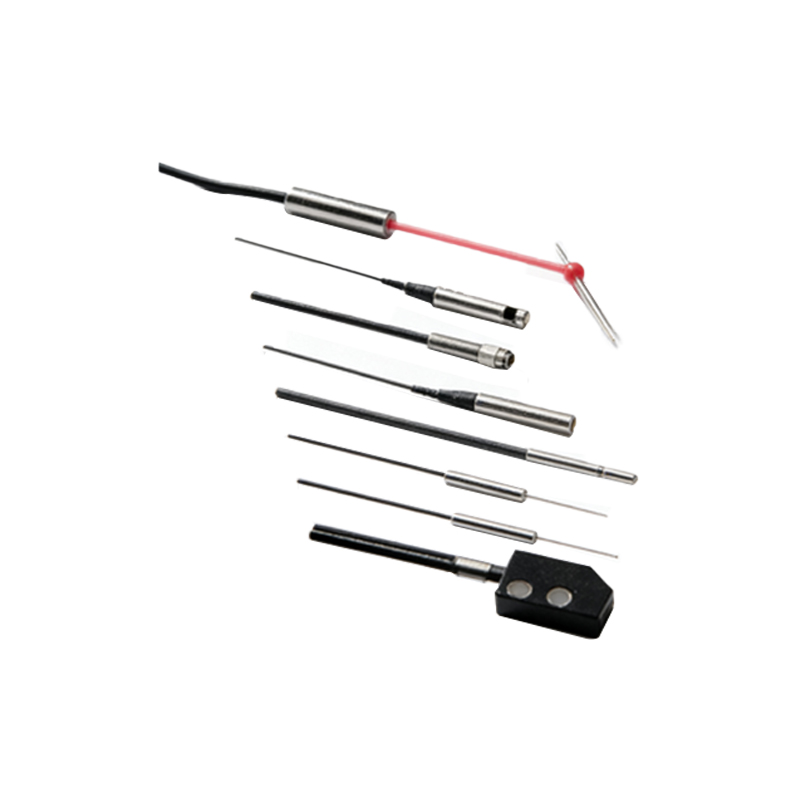
Directionality: A Key Operational Consideration
Directionality refers to whether a photoelectric sensor must be oriented in a specific way relative to its target or light source to function correctly. For through-beam sensors, directionality is absolute: the emitter and receiver must be precisely aligned facing each other, as the sensor detects interruptions in the direct beam. In contrast, diffuse reflective sensors, which detect light reflected off the target itself, generally have no inherent directionality—they can be angled flexibly as long as the target is within the sensing range. Retro-reflective models, using a reflector, require the sensor to face the reflector but allow some angular tolerance. Thus, directionality depends on the sensor type, influencing installation and maintenance practices in bag making systems.
Factors Influencing Sensor Orientation
Several factors determine if and how directionality affects photoelectric sensors in bag making machines. The sensing mode is primary: through-beam setups demand strict alignment, while diffuse types offer more freedom. Material properties also matter; transparent or glossy packaging films may cause false readings if sensors are poorly angled. Environmental conditions like ambient light or dust can interfere, necessitating directional adjustments to minimize noise. Additionally, machine design—such as the placement of rollers or cutters—may constrain sensor positioning. Engineers must evaluate these aspects to optimize detection accuracy, ensuring consistent bag length, seal integrity, and print registration without production delays.
Installation and Calibration Best Practices
Proper installation mitigates directionality issues. For directional sensors like through-beam units, use alignment tools to ensure emitter and receiver are coaxial, and secure mounts to prevent vibration-induced misalignment. For non-directional diffuse sensors, position them perpendicular to the target surface for maximum reflectivity. Calibration involves adjusting sensitivity thresholds to account for material variations, and testing under running conditions to verify reliability. Regular maintenance, including lens cleaning and alignment checks, prevents drift. In bag making, mark sensors often require fine-tuning to track printed patterns accurately, highlighting the need for precise directional control even in less directional sensor types.
Impact on Bag Making Efficiency and Quality
Ignoring directionality can lead to operational failures. Misaligned sensors cause false triggers or missed detections, resulting in uneven cuts, sealing errors, or misprinted bags—increasing waste and downtime. For high-speed bag making lines, even minor directional errors reduce throughput. Conversely, correctly oriented sensors enhance precision, supporting faster speeds and tighter tolerances. They enable advanced features like automatic length adjustment and defect detection, boosting overall equipment effectiveness (OEE). By understanding directionality, manufacturers can select the right sensor type and setup, improving product consistency and reducing material costs in flexible packaging production.
Future Trends and Technological Advances
Advancements are reducing directionality constraints. Newer photoelectric sensors incorporate adaptive algorithms and multi-beam designs to self-correct for misalignment, simplifying installation. Laser-based sensors with narrower beams offer higher precision with less directional sensitivity, while smart sensors with IO-Link connectivity provide real-time diagnostics for proactive adjustments. In bag making, integration with machine vision systems allows for non-contact, omnidirectional detection, potentially replacing traditional sensors in some applications. As Industry 4.0 evolves, these innovations will further minimize directionality concerns, making bag making machines more robust and easier to maintain, ultimately driving efficiency in the packaging industry.