Introduction to SOP Photoelectric Sensors
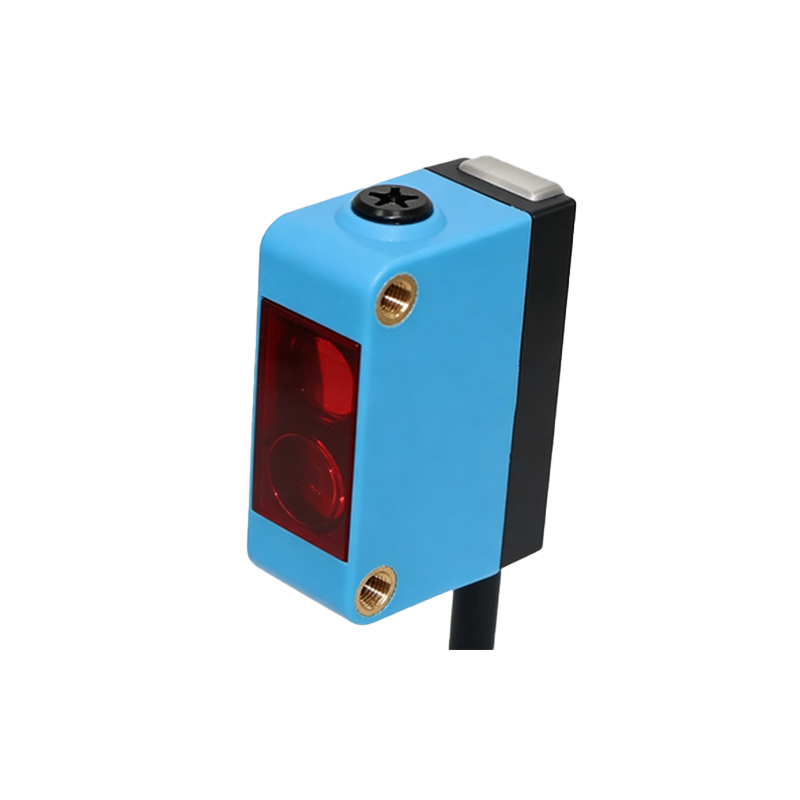
SOP (Small Outline Package) photoelectric sensors represent a significant evolution in sensing technology, designed for high-density surface-mount assembly in automated systems. These compact devices integrate a light emitter, receiver, and signal processing circuitry into a single, miniaturized package. The SOP format enables direct placement onto printed circuit boards (PCBs) using standard SMT (Surface Mount Technology) processes, eliminating the need for bulky housings and complex wiring. This integration reduces overall system footprint, enhances reliability by minimizing connection points, and allows for mass production at lower costs. Common types include through-beam, retro-reflective, and diffuse reflective sensors, each suited for specific detection tasks such as object presence, counting, or edge positioning in confined spaces.
Key Technical Specifications and Performance
The performance of SOP photoelectric sensors is defined by critical parameters including sensing range, response time, light source type, and output configuration. Typical sensing distances range from a few millimeters to several meters, depending on the model and detection mode. Infrared (IR) and red LED light sources are prevalent, with IR offering better immunity to ambient light interference. Response times can be as fast as microseconds, enabling high-speed detection in rapid assembly lines. Outputs are often digital (e.g., NPN/PNP transistors) or analog, providing flexibility for integration with PLCs (Programmable Logic Controllers) and microcontrollers. Additionally, features like background suppression and teach-in programming enhance adaptability in varying environmental conditions, ensuring stable operation despite target color or reflectivity changes.
Design Advantages for Industrial Applications
The design of SOP photoelectric sensors offers multiple advantages in industrial settings. Their small size allows installation in space-constrained locations, such as inside robotic arms or on mobile equipment. The surface-mount design improves vibration resistance and thermal performance compared to through-hole components, leading to longer service life in harsh environments. With built-in protection against dust, moisture, and electrical noise (typically conforming to IP67 or similar ratings), these sensors maintain accuracy in demanding sectors like automotive manufacturing, packaging, and electronics assembly. Furthermore, low power consumption aligns with energy-efficient automation trends, reducing operational costs over time.
Integration and Implementation Strategies
Successful integration of SOP photoelectric sensors requires careful consideration of PCB layout, optical alignment, and environmental factors. During PCB design, placement should avoid obstructions that could block the light path, and reflective surfaces nearby must be managed to prevent false triggers. Proper soldering techniques are crucial to prevent thermal damage and ensure electrical connectivity. Calibration during installation involves adjusting sensitivity thresholds to match specific target materials and distances. Many modern sensors include IO-Link or other digital communication protocols, enabling remote configuration, diagnostics, and data exchange for predictive maintenance within Industry 4.0 frameworks.
Future Trends and Innovations
The future of SOP photoelectric sensors is driven by advancements in miniaturization, intelligence, and connectivity. Emerging trends include the integration of AI-driven algorithms for adaptive sensing, allowing real-time adjustment to complex detection scenarios. Enhanced materials, such as silicon carbide for emitters, may extend sensing ranges and durability. Wireless connectivity options are being explored to reduce cabling further in IoT-enabled factories. Additionally, the development of multi-functional sensors that combine photoelectric sensing with temperature or proximity detection in a single SOP package could simplify system design and boost data acquisition capabilities, supporting smarter, more responsive automation ecosystems.