Introduction to Reflective Photoelectric Sensors
Reflective photoelectric sensors are widely used in industrial automation for detecting objects, counting, and positioning. These devices operate by emitting a light beam, typically infrared or visible, which reflects off a target object back to a receiver. The sensor then processes this signal to determine presence or distance. Key applications include packaging machinery, conveyor systems, and safety barriers. Understanding the specific model number of a sensor is crucial for selecting the right component, ensuring compatibility with existing systems, and sourcing replacements or upgrades. Model numbers encode vital information such as sensing range, output type, housing material, and electrical specifications.
Primary Locations for Model Number Identification
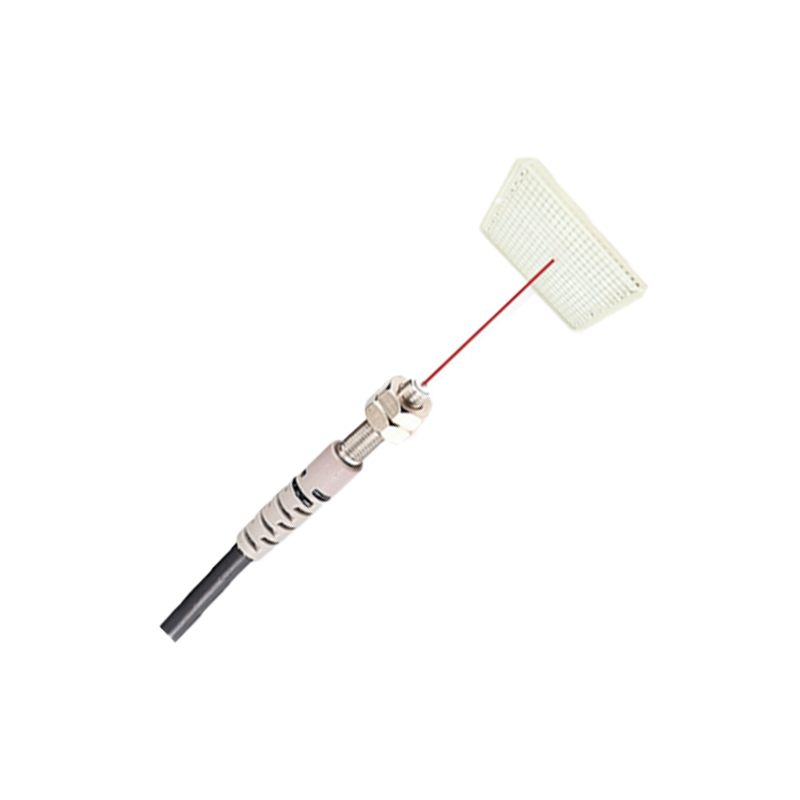
The model number is usually printed directly on the sensor housing. Look for a label or engraved text on the side or top of the device. Common placements include near the cable entry point or on a flat surface of the housing. The label often features alphanumeric codes, sometimes accompanied by barcodes or QR codes for digital tracking. In dusty or harsh environments, the printing may wear off, so it's advisable to check multiple angles. Additionally, the model number might be stamped on a metal plate or embedded in the plastic casing during manufacturing. Always ensure the sensor is powered down and safely accessible before inspection to avoid operational hazards.
Product Documentation and Datasheets
Manufacturers provide detailed datasheets and user manuals that list model numbers along with technical specifications. These documents are typically available on the manufacturer's official website. To find them, navigate to the "Products" or "Support" section, and search using general terms like "reflective photoelectric sensor" or filter by product category. Datasheets include model variants, dimensions, wiring diagrams, and performance graphs. Keeping a digital or physical copy of these documents for your equipment inventory is a best practice in industrial maintenance. If the original documentation is lost, many online platforms archive datasheets from major brands like Omron, Sick, or Keyence.
Supplier and Distributor Catalogs
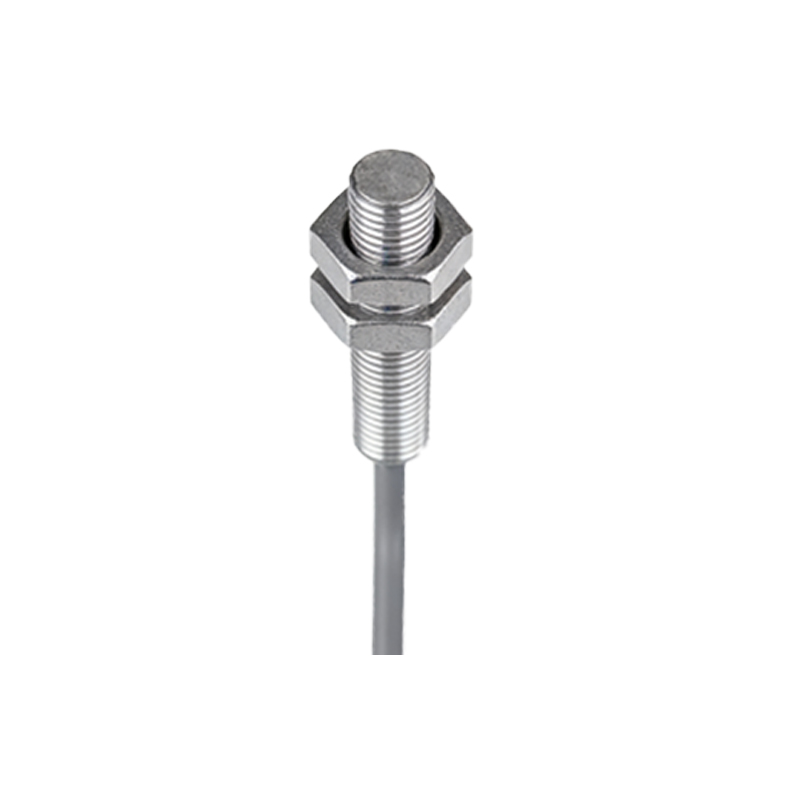
Industrial suppliers and distributors, such as Digi-Key, Mouser, or RS Components, maintain extensive online catalogs where you can search for sensor models. These platforms allow filtering by parameters like sensing distance, output configuration (e.g., NPN or PNP), and supply voltage. Each product listing displays the model number prominently, often with cross-references to equivalent parts from other manufacturers. Subscribing to supplier newsletters or catalogs can also provide updates on new models or discontinuations. For bulk purchases, contacting a sales representative directly may help identify model numbers based on your application needs.
Online Databases and Forums
Technical forums and community-driven websites, such as PLCTalk or AutomationDirect's forums, offer resources where professionals share model information and compatibility tips. These platforms can be useful if you're dealing with obsolete or custom sensors. Additionally, some online databases aggregate sensor models from multiple manufacturers, allowing side-by-side comparisons. When using these sources, verify the information against official manufacturer data to ensure accuracy. Social media groups on LinkedIn or Reddit focused on industrial automation may also provide insights, especially for niche or specialized sensors.
Direct Manufacturer Support
If other methods fail, contacting the manufacturer's technical support team is a reliable option. Provide them with any visible codes, photos of the sensor, or context about its application. Most manufacturers have dedicated support portals or hotlines for product identification. They might request details like the date of purchase, serial number, or installation environment to trace the model. This approach is particularly effective for proprietary sensors used in integrated machinery. Keep in mind that response times can vary, so it's wise to have alternative sensors in mind for urgent replacements.
Importance of Accurate Model Identification
Correctly identifying the model number prevents operational downtime and costly errors. Using an incompatible sensor can lead to false triggers, damage to machinery, or safety risks. Model numbers ensure you match electrical requirements (e.g., voltage and current ratings), physical dimensions, and performance characteristics like response time and environmental ratings (IP67 for dust and water resistance). In industries with strict regulations, such as food processing or pharmaceuticals, selecting the exact model may be necessary for compliance. Always double-check model numbers when ordering, and consider consulting with an engineer if unsure.
Best Practices for Record-Keeping
Maintain a log of all sensors in your facility, including model numbers, installation dates, locations, and supplier details. Use digital tools like spreadsheets or asset management software to organize this data. Attach photos or scans of labels to the records for visual reference. Regularly update the log during maintenance checks or upgrades. This proactive approach streamlines future searches and aids in inventory management. For large installations, labeling the sensors on-site with durable tags can supplement electronic records, making physical identification quicker during inspections.
Conclusion and Next Steps
Finding a reflective photoelectric sensor model number involves checking the device itself, consulting documentation, and leveraging online resources. Start with a physical inspection, then refer to datasheets or supplier catalogs. If needed, seek help from forums or manufacturers. Accurate identification supports efficient maintenance and system scalability. As technology evolves, staying informed about new sensor models and industry trends will enhance your operational resilience. Consider attending trade shows or webinars to learn about advancements in photoelectric sensing, and always prioritize safety and compatibility in your selections.