Introduction to Photoelectric Sensors
Photoelectric sensors are widely used in industrial automation for detecting the presence, absence, or position of objects. These devices operate by emitting a light beam and measuring changes in the received light intensity. The core functionality of photoelectric sensors relies on two fundamental components: the emitter and the receiver. Understanding these parts is essential for selecting the right sensor for specific applications, such as packaging, material handling, or safety systems. This article delves into the detailed composition and operational principles of these components, providing insights into their roles in ensuring accurate and reliable detection.
The Emitter: Light Source and Modulation
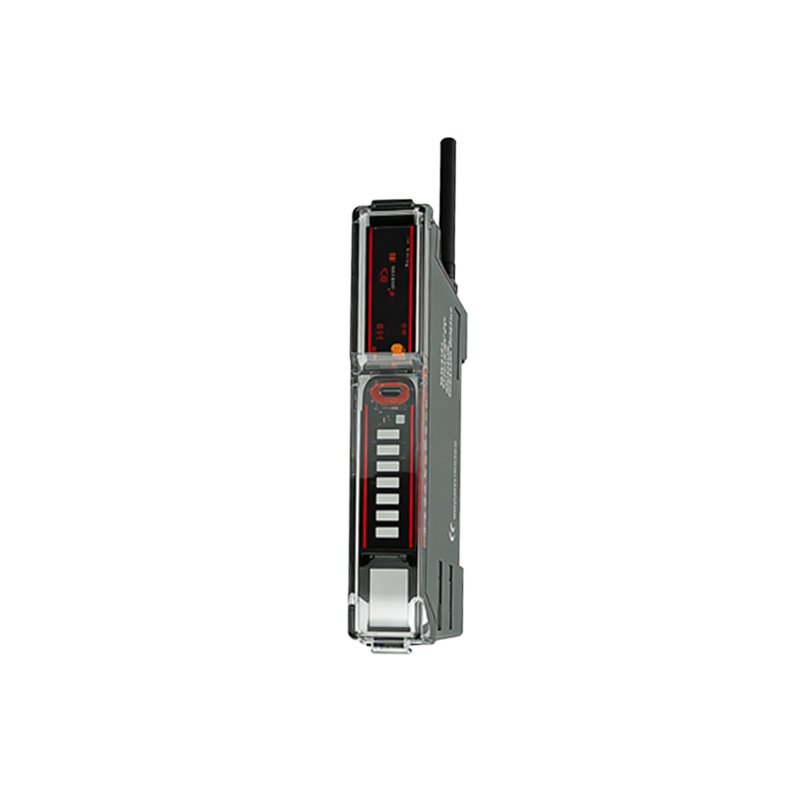
The emitter is the active component responsible for generating the light signal used in detection. Typically, it consists of a light-emitting diode (LED) or a laser diode that produces infrared, visible, or ultraviolet light. The choice of wavelength depends on the application; for instance, infrared LEDs are common in industrial settings due to their immunity to ambient light interference. The emitter includes a lens to focus the light into a narrow beam, enhancing detection range and precision. Additionally, modern photoelectric sensors often incorporate modulation techniques, where the light is pulsed at a specific frequency. This modulation helps distinguish the sensor's signal from external light sources, reducing false triggers and improving reliability in noisy environments. The emitter's design ensures consistent output, which is critical for maintaining sensor performance over time, especially in harsh conditions like dust or vibration.
The Receiver: Detection and Signal Processing
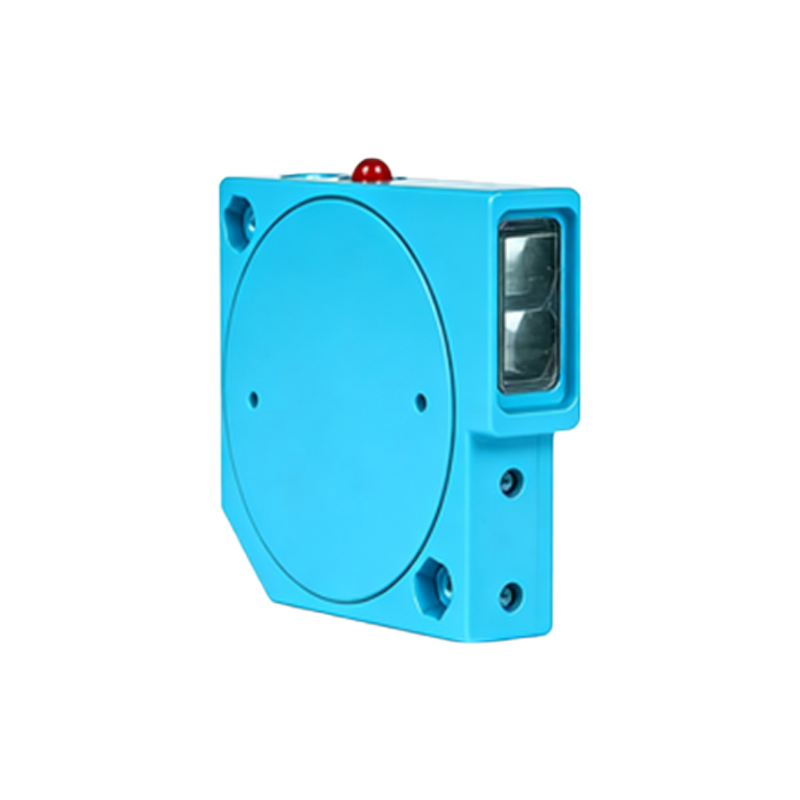
The receiver is the component that captures the light emitted by the emitter and converts it into an electrical signal. It comprises a photodetector, such as a phototransistor or photodiode, which responds to changes in light intensity. When an object interrupts or reflects the light beam, the photodetector detects the variation and generates a corresponding voltage or current signal. This signal is then processed by an integrated circuit within the receiver, which amplifies and filters it to eliminate noise. The receiver also includes a lens to collect incoming light efficiently, ensuring high sensitivity. In some sensor types, like retro-reflective or diffuse models, the receiver may be paired with the emitter in a single housing, while in through-beam sensors, they are separate units. The receiver's output is typically a digital switch signal (e.g., ON/OFF) that interfaces with control systems like PLCs, enabling automated responses based on detection events.
Integration and Housing Design
Beyond the emitter and receiver, photoelectric sensors feature a housing that integrates these components into a durable package. The housing is designed to protect internal parts from environmental factors such as moisture, chemicals, and mechanical impact. Materials like stainless steel or rugged plastics are commonly used, depending on the application's demands. The housing also includes mounting options, alignment aids, and status indicators (e.g., LEDs for power or output signals) to facilitate installation and maintenance. Proper integration ensures that the emitter and receiver work in harmony, with alignment being crucial for accurate detection. In advanced sensors, additional features like background suppression or teach-in functions may be embedded, allowing users to adjust sensitivity or detection ranges without external tools. This integration enhances versatility, making photoelectric sensors suitable for diverse industrial scenarios.
Applications and Selection Criteria
Photoelectric sensors are employed in various industries, from manufacturing to logistics, due to their non-contact detection capability. Common applications include object counting, level sensing, and edge detection on conveyor systems. When selecting a sensor, engineers must consider factors like sensing range, response time, and environmental conditions. The emitter-receiver pair's specifications, such as light type and modulation frequency, play a key role in performance. For example, through-beam sensors offer long ranges and high accuracy but require separate mounting, while diffuse sensors are compact but may have shorter ranges. Understanding the interaction between the emitter and receiver helps in optimizing system design, reducing downtime, and improving overall efficiency. Regular maintenance, such as lens cleaning and alignment checks, is also recommended to sustain sensor reliability.
Conclusion and Future Trends
In summary, photoelectric sensors consist of two primary components: the emitter, which generates and projects light, and the receiver, which detects and processes the light signal. Their collaboration enables precise and efficient object detection in automated systems. As technology advances, trends like miniaturization, enhanced connectivity (e.g., IO-Link), and smart sensing with embedded diagnostics are shaping the future of photoelectric sensors. These innovations aim to increase adaptability and reduce integration costs, further solidifying their role in Industry 4.0. By mastering the fundamentals of emitter and receiver functions, professionals can leverage these devices to build robust and intelligent automation solutions.