Introduction to Reflective Photoelectric Sensors
Reflective photoelectric sensors, particularly those with a 3mm sensing distance, represent a cornerstone technology in modern industrial automation. These compact devices operate on a fundamental principle: an integrated emitter projects a beam of light, typically from an LED, onto a target surface. A receiver, positioned adjacent to the emitter, detects the light reflected back. The sensor's electronics then process this signal to determine the presence or absence of an object. The 3mm variant is specifically engineered for ultra-close-range detection with high precision, making it indispensable in applications where space is constrained and accuracy is paramount. Its design often incorporates modulated infrared light to mitigate interference from ambient lighting, ensuring reliable operation in diverse industrial environments.
Core Technical Specifications and Operating Principles
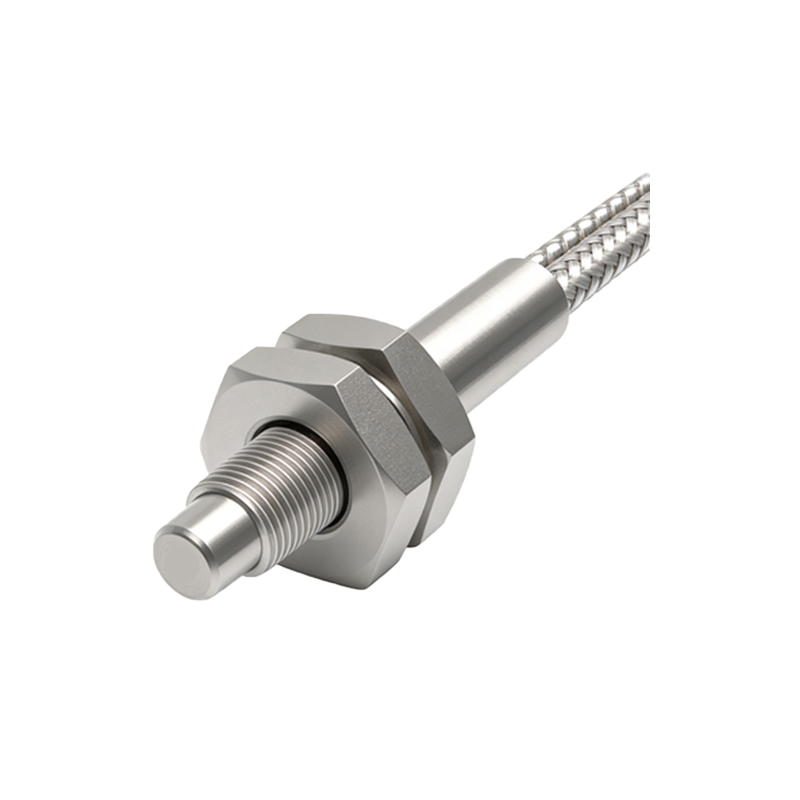
The performance of a 3mm reflective photoelectric sensor is defined by several critical parameters. The sensing distance, fixed at 3mm, indicates the optimal range for reliable detection. The light source is commonly an infrared LED with a wavelength of 880nm, though red light versions are available for visual alignment. Key specifications include response time, often in the microsecond range, enabling high-speed counting or positioning tasks. The output configuration is versatile, including NPN/PNP transistor outputs or analog options, interfacing seamlessly with PLCs and controllers. A crucial aspect is the minimal detectable object size, which, for a 3mm sensor, can discern objects as small as 0.5mm, depending on the reflectivity. The operating principle relies on the contrast in reflected light intensity between the background and the target object, triggering a state change in the sensor's output.
Key Advantages in Precision Applications
The primary advantage of the 3mm reflective photoelectric sensor lies in its exceptional precision and miniaturization. Its ability to detect minute objects at extremely close proximity eliminates the need for larger, more complex sensing solutions. This precision is vital in electronics assembly for verifying component placement, in pharmaceutical packaging for checking blister pack integrity, and in precision machining for tool positioning. Furthermore, its compact housing allows for installation in tight spaces where other sensors cannot fit. The solid-state design ensures long-term reliability with no moving parts, reducing maintenance needs. Many models feature built-in sensitivity adjustment potentiometers, allowing engineers to fine-tune the sensor for specific surface colors and textures, from highly reflective metallic parts to low-contrast matte finishes.
Critical Installation and Alignment Considerations
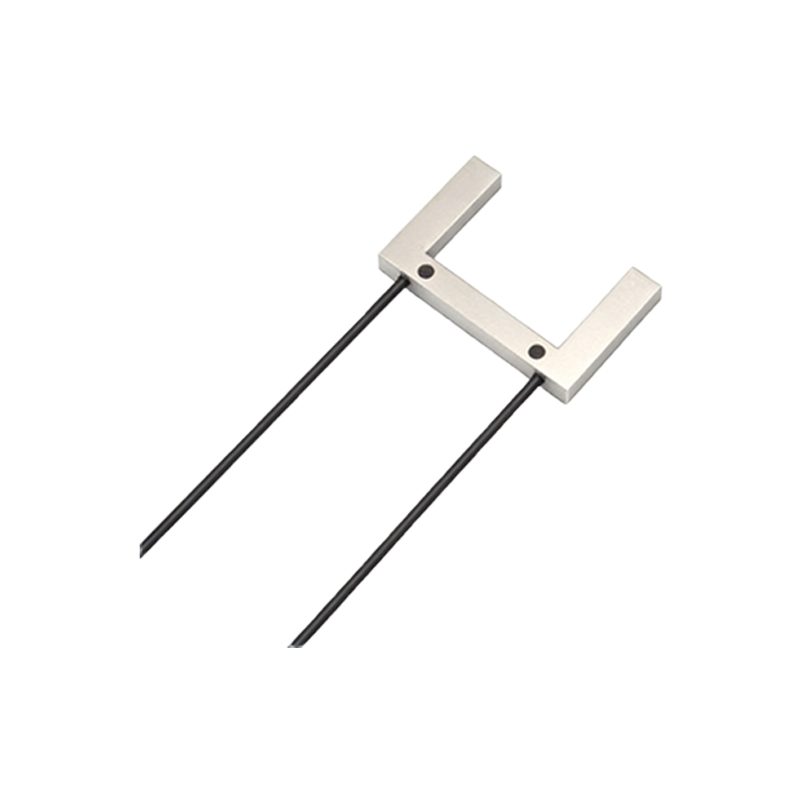
Proper installation is paramount for optimal performance of a 3mm reflective sensor. Due to the very short sensing distance, mechanical alignment between the sensor face and the target surface must be precise. Even a slight angular misalignment can cause the reflected beam to miss the receiver, leading to detection failure. Mounting brackets should be rigid to prevent vibration-induced drift. The reflectivity of the target material significantly influences performance; glossy surfaces provide a strong return signal, while dark, absorbent, or uneven surfaces may require sensitivity adjustment. Engineers must also consider the sensor's environmental ratings, selecting IP67 or higher grades for washdown or dusty conditions. Ensuring a stable power supply within the sensor's specified voltage range (commonly 10-30V DC) is essential to prevent erratic operation.
Common Industrial Use Cases and Applications
The application spectrum for 3mm reflective photoelectric sensors is vast. In semiconductor manufacturing, they are used for wafer cassette mapping and lead frame positioning. Within automated packaging lines, they detect labels, verify flap closure on small boxes, and count pills or capsules. Robotics integrators employ them for end-effector tool confirmation and part presence verification in grippers. In printing and paper processing, these sensors monitor paper edge positioning and detect sheet jams at critical points. The textile industry utilizes them for thread break detection on high-speed looms. Their speed and reliability also make them ideal for rotary encoder applications, where they detect markings on a shaft for speed or position feedback.
Troubleshooting and Maintenance Best Practices
Despite their robustness, 3mm reflective sensors can encounter issues. Common problems include failure to detect due to contamination on the lens from oil, dust, or debris. Regular cleaning with a soft cloth is recommended. Intermittent operation may stem from electrical noise in the supply line, often remedied by installing ferrite cores or using shielded cables. If the sensor consistently fails to trigger, verify the alignment and check the target's reflectivity; a test piece with known properties can be useful. Always consult the manufacturer's datasheet for the correct sensing characteristics curve. Preventive maintenance involves periodic checks of mounting stability, cable integrity, and output signal consistency under normal operating conditions to ensure long-term system reliability.
Future Trends and Technological Evolution
The future of 3mm reflective photoelectric sensors is geared towards enhanced intelligence and connectivity. Emerging trends include the integration of IO-Link communication, enabling remote configuration, diagnostics, and parameterization directly from a central controller. This facilitates predictive maintenance and easier integration into Industry 4.0 frameworks. Advances in LED technology promise even smaller spot sizes and higher switching frequencies. There is also a growing demand for sensors with enhanced background suppression capabilities at such short ranges, allowing them to ignore objects beyond the precise 3mm focal point. Furthermore, developments in materials science are leading to housings with greater chemical resistance, expanding their usability in harsh manufacturing environments without compromising their compact form factor.