Understanding Proximity Sensor Technology
Proximity sensors are indispensable components in modern industrial automation, providing non-contact detection of metallic or non-metallic objects. They operate on various principles, primarily inductive, capacitive, and photoelectric. Inductive sensors detect metallic objects, capacitive sensors detect both metallic and non-metallic materials, and photoelectric sensors use light beams. The core function is to generate a digital output signal when an object enters the sensor's detection field, enabling precise control in machinery, assembly lines, and safety systems. Selecting the correct model is critical for system reliability, response time, and environmental durability. This guide aims to demystify the specifications and provide a practical cross-reference for common industry models.
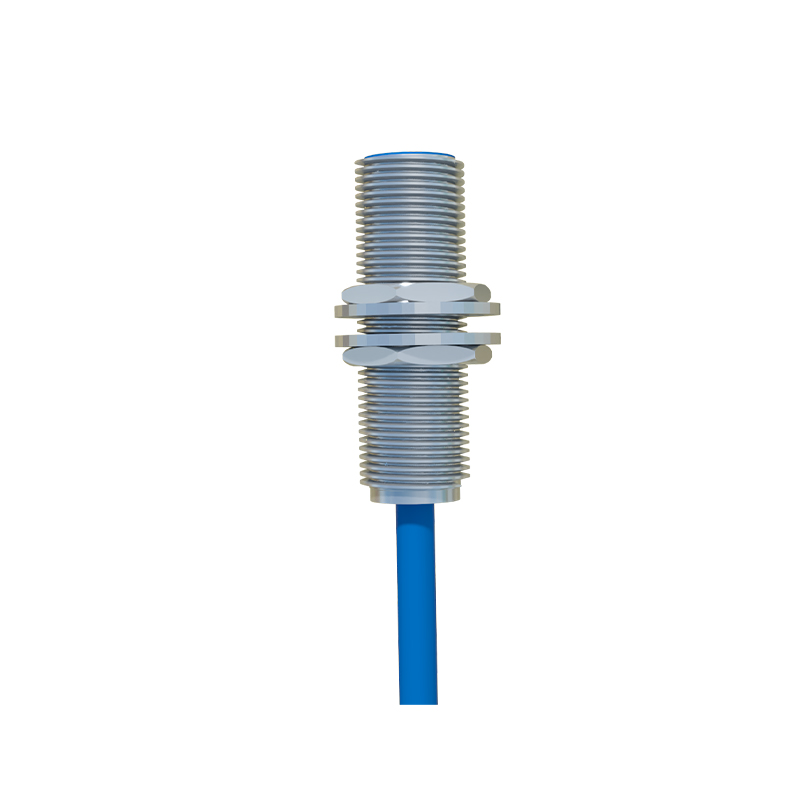
Key Specifications for Model Comparison
When cross-referencing proximity sensor models, several technical parameters must be aligned. The sensing distance, often rated in millimeters, is a primary factor. Electrical characteristics such as operating voltage (e.g., 10-30V DC, 20-250V AC), output type (PNP/NPN, NO/NC), and current rating are non-negotiable for compatibility. Physical dimensions, including thread size (like M8, M12, M18, M30) and housing material (typically nickel-plated brass or stainless steel), determine mechanical fit. Environmental ratings, notably IP (Ingress Protection) codes like IP67 or IP69K for dust and water resistance, and temperature range are vital for harsh industrial environments. Ignoring any of these can lead to system failure or safety hazards.
Cross-Referencing Major Manufacturer Series
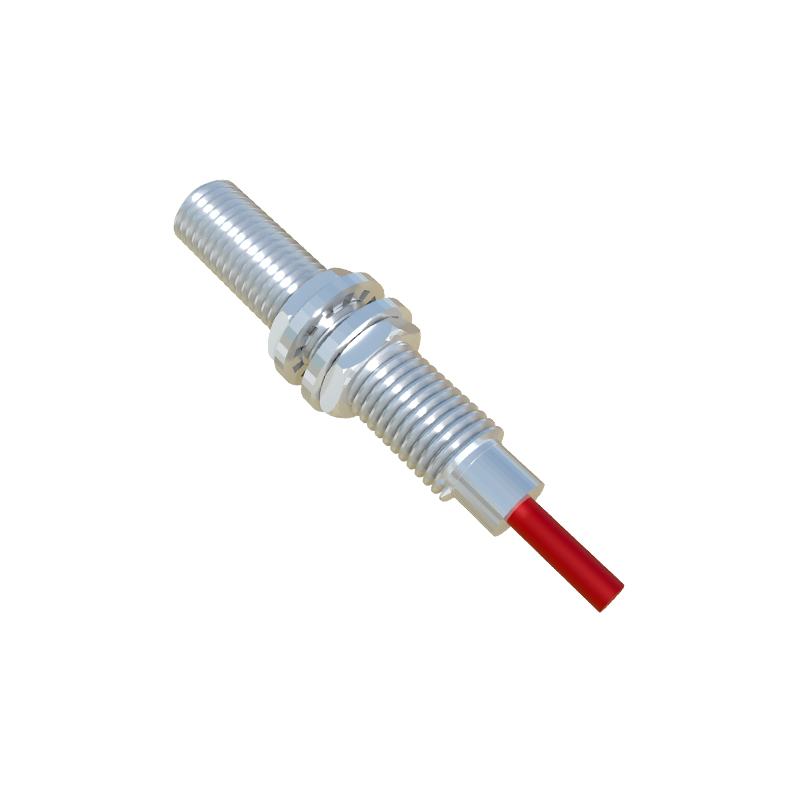
The market is dominated by several key manufacturers, each with proprietary series. For inductive sensors, Siemens' 3RG series, Allen-Bradley's 871TM series, and Omron's E2E/E2A series are industry standards. Capacitive models include Pepperl+Fuchs' C series and Balluff's BCS series. Photoelectric sensors are widely represented by Sick's WT series and Keyence's PZ series. A direct cross-reference is rarely a simple one-to-one match. For instance, a Siemens 3RG70 12-1BQ00 (M12, 4mm range, PNP NO) may be functionally equivalent to an Omron E2E-X4B1T 2M or an Allen-Bradley 871TM-D4NBP-P4. Engineers must verify every specification, especially output configuration and connector type, before substitution.
Practical Substitution Guidelines and Cautions
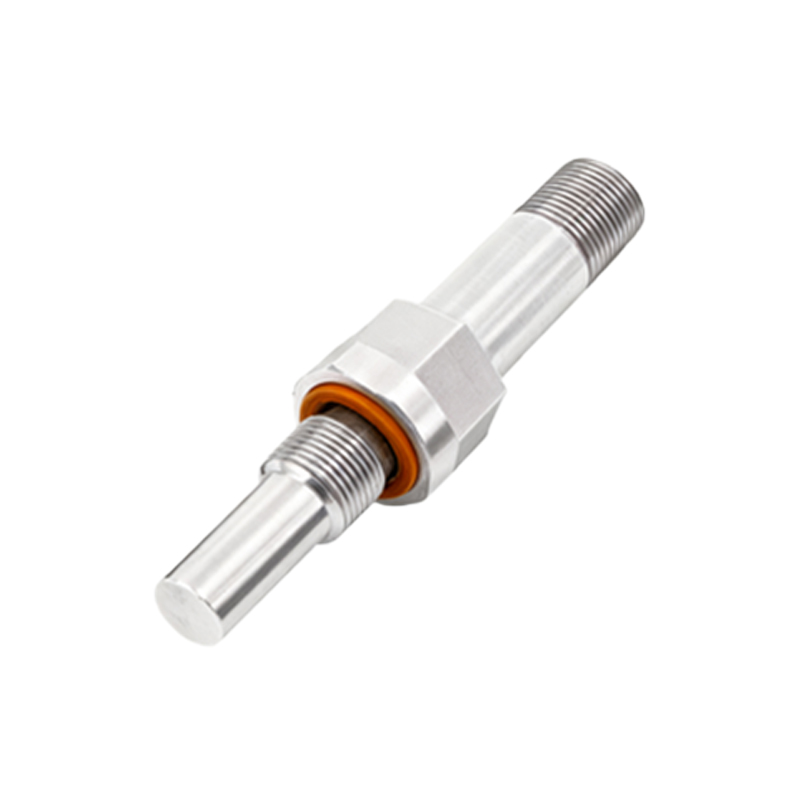
Successful substitution requires a methodical approach. First, obtain the complete datasheet for the original sensor. Second, match the core electrical and sensing specifications as outlined above. Third, verify the electrical connection diagram and pin assignment; a PNP sensor cannot replace an NPN sensor without controller compatibility checks. Fourth, consider the mounting style—flush-mounted versus non-flush—as it affects the effective sensing distance. A critical caution: never substitute a sensor in a safety-critical application (e.g., machine guarding) without consulting the original equipment manufacturer or a certified safety engineer. Using an unapproved sensor can compromise safety system integrity and regulatory compliance.
Impact of Output Configuration and Wiring
The output configuration is a frequent source of error during replacement. PNP (sourcing) and NPN (sinking) outputs are not directly interchangeable with all programmable logic controller (PLC) input cards. A PNP sensor switches the positive voltage to the load, while an NPN switches the negative. Furthermore, the state—Normally Open (NO) or Normally Closed (NC)—defines the logic condition when no target is present. Wiring a 3-wire DC sensor incorrectly can damage the sensor or the PLC input. Always refer to the sensor's wiring diagram and the PLC's manual. Some modern sensors offer programmable outputs or universal voltage compatibility, simplifying cross-referencing but requiring initial configuration.
Considerations for Specialized Environments
Standard industrial sensors may fail in extreme conditions. For high-temperature applications near furnaces, models with extended ranges up to 150°C or 200°C are required, such as specialized series from Turck or ifm electronic. In washdown environments in food and beverage, sensors with stainless steel housings and high IP69K ratings are mandatory. For welding areas, weld-field immune sensors designed to resist magnetic interference from welding currents are essential. In these cases, cross-referencing must prioritize the environmental specification over minor dimensional differences. The cost of sensor failure in these settings includes significant downtime and potential product loss.
Future Trends and Smart Sensor Integration
The landscape of proximity sensing is evolving with Industry 4.0. IO-Link enabled