Introduction to Proximity and Focus Sensing
In the realm of automation, control systems, and modern electronics, the ability to detect the presence, distance, or precise position of an object without physical contact is fundamental. This capability is primarily enabled by two critical, yet distinct, types of sensors: proximity sensors and focus sensors. While the term "proximity light focus sensor" is not a standard industry designation, it often colloquially refers to systems or components that utilize optical principles to gauge distance for purposes such as autofocus or object detection. Understanding their individual principles, technologies, and applications is key for engineers designing sophisticated electrical and electronic systems.
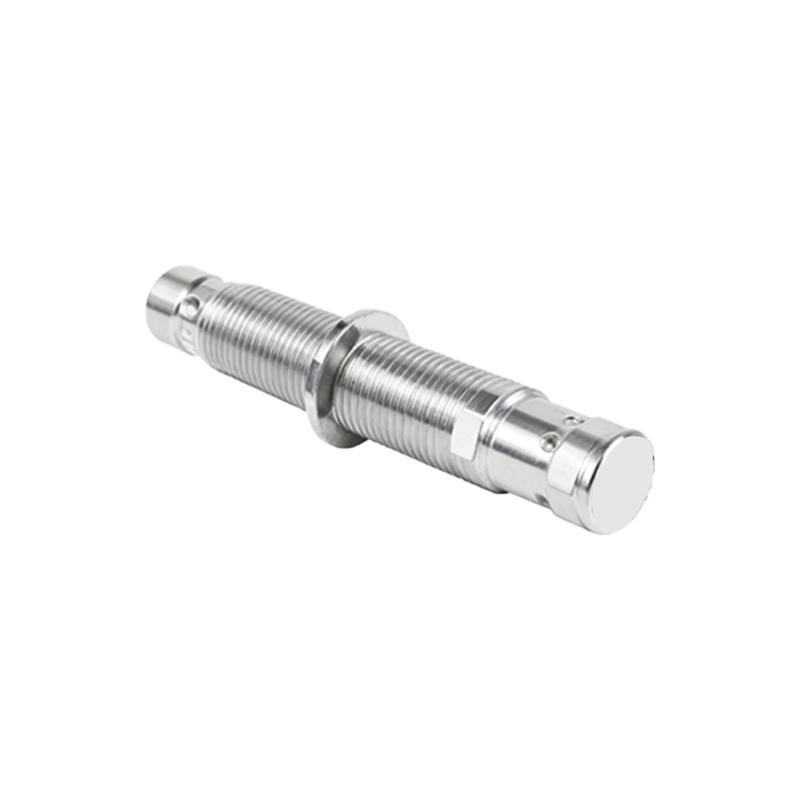
Core Principles of Proximity Sensors
Proximity sensors are devices that detect the presence or absence of an object within a specified range. They operate on various physical principles, including inductive, capacitive, ultrasonic, and optical methods. Optical proximity sensors, most relevant to discussions involving light, typically consist of an infrared (IR) light-emitting diode (LED) and a photodetector. They function by emitting an IR beam and measuring the intensity of the light reflected back from a target object. The key output is a simple digital signal indicating whether an object is "near" or "far," based on a predefined threshold. These sensors do not provide precise distance measurement but are excellent for non-contact detection in applications like touchscreen disablement during phone calls or object counting on conveyor belts.
The Technology Behind Optical Focus Sensors
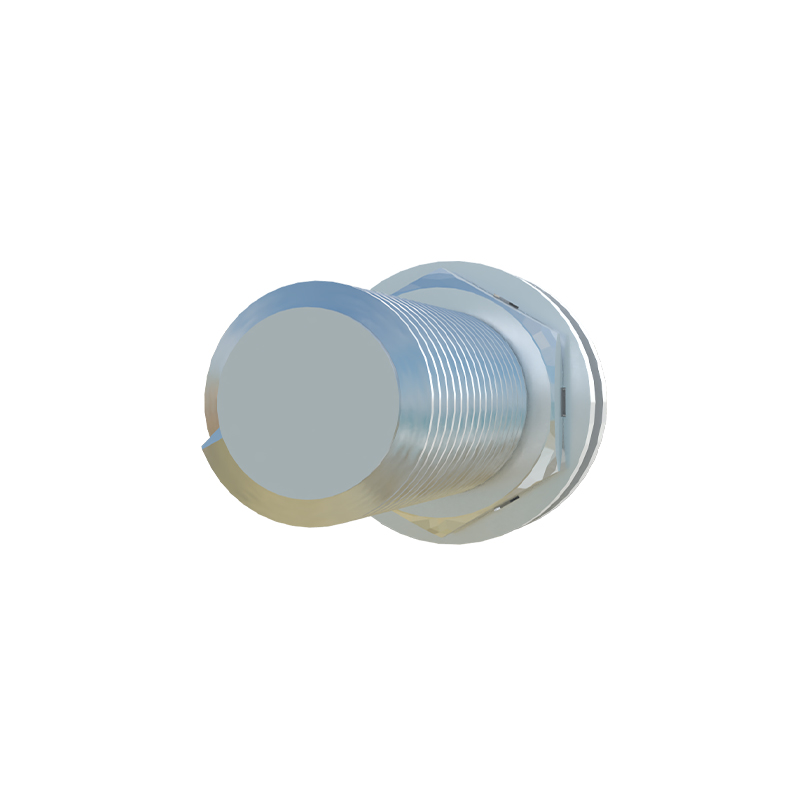
Focus sensors, particularly in imaging systems like cameras and optical drives, are designed for extreme precision. Their goal is to determine the exact distance to a subject to adjust lens elements for a sharp image. Common technologies include Phase Detection Autofocus (PDAF) and Contrast Detection Autofocus (CDAF). PDAF, widely used in DSLRs and modern smartphones, uses a dedicated sensor array split into pairs. It analyzes the phase difference between light rays coming from opposite sides of the lens to determine both the magnitude and direction of required focus adjustment. CDAF, on the other hand, analyzes the contrast of the image on the main sensor itself, moving the lens until maximum contrast (and thus sharpness) is achieved. Both are sophisticated applications of optical sensing for distance measurement.
Where Proximity Meets Focus: Integrated Applications
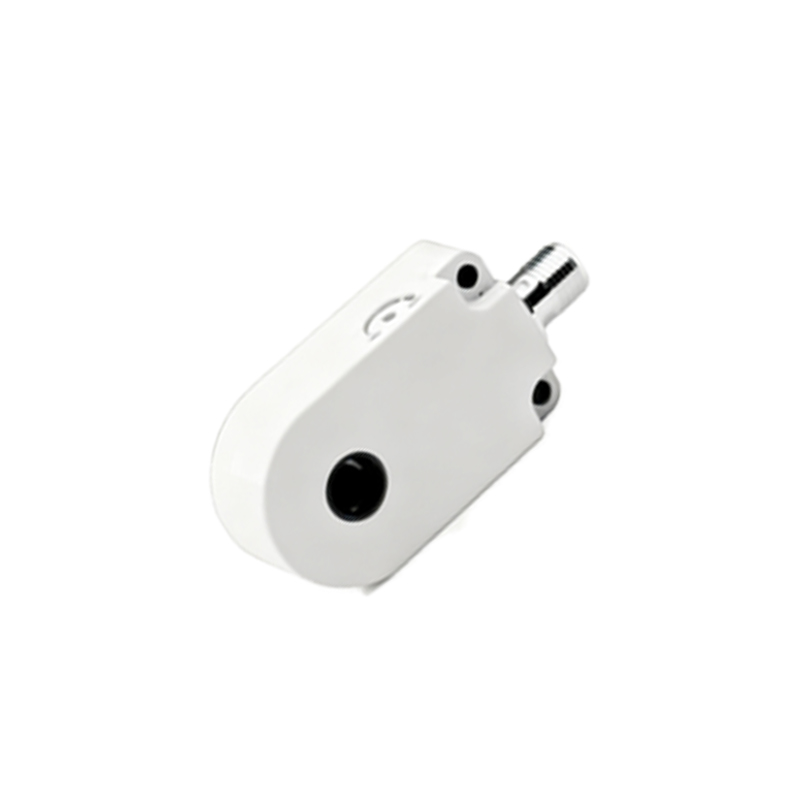
The convergence of proximity and focus sensing is evident in several advanced systems. In smartphone cameras, a hybrid approach is common. A simple IR proximity sensor might first detect that an object is close to the lens, triggering the autofocus system to engage and quickly find the correct focal point using PDAF or laser autofocus—a method that uses a dedicated laser diode to measure time-of-flight for distance. In industrial automation, machine vision systems might use a proximity sensor to detect a part entering a workstation, after which a high-precision optical focus sensor ensures a camera is perfectly focused for quality inspection. This synergy enhances both speed and accuracy.
Key Electrical and Design Considerations
Designing with these sensors requires careful electrical engineering. For optical types, the selection of light source wavelength (often 850nm or 940nm IR) is crucial to avoid ambient light interference. Circuit design must account for signal amplification, filtering of noise from the photodetector, and stable current drive for the emitter. Digital interfaces (I2C, SPI) are common for communication with microcontrollers. Engineers must also consider factors like sensing range, response time, power consumption, and the material properties of target objects (reflectivity, color, transparency), which significantly affect optical sensor performance. Proper shielding and lens design are also vital to define the sensor's field of view.
Industry Applications and Future Trends
The applications span numerous industries. In consumer electronics, they enable features from autofocus and face detection to gesture control. In automotive systems, they are integral to driver-assistance features like parking sensors and collision avoidance. Robotics relies on them for navigation and object manipulation. Industrial manufacturing uses them for precise positioning, assembly verification, and safety curtains. Looking forward, trends point towards greater miniaturization, higher precision using technologies like Time-of-Flight (ToF) sensors for 3D mapping, and increased integration with artificial intelligence. AI algorithms can interpret sensor data to not only detect distance but also classify objects and predict movements, opening new frontiers in autonomous systems and smart environments.
Conclusion
Proximity sensors and focus sensors, while serving different primary functions—presence detection versus precise distance measurement—are pillars of modern electro-optical systems. The so-called "proximity light focus sensor" concept underscores the integrated approach needed in today's complex devices. For electrical engineers, a deep understanding of their operating principles,