In the world of automation, electronics, and smart devices, there exists a silent, unseen workhorse that makes countless interactions possible: the proximity sensor. But what exactly is it? At its core, a proximity sensor is a device that detects the presence or absence of an object within a certain range without any physical contact. It sends out a signal, and based on the response—or lack thereof—it determines if an object is nearby. This simple yet powerful principle is foundational to modern technology.
The magic lies in how these sensors "see" the world. They don't use lenses or cameras in the traditional sense. Instead, they rely on various fields and beams. The most common types include inductive, capacitive, ultrasonic, and optical (like infrared) sensors. An inductive proximity sensor, for instance, generates an electromagnetic field. It only detects metallic objects. When a piece of metal enters this field, it causes a change that the sensor interprets as "object detected." These are ubiquitous in industrial settings for counting metal parts or ensuring machine safety.
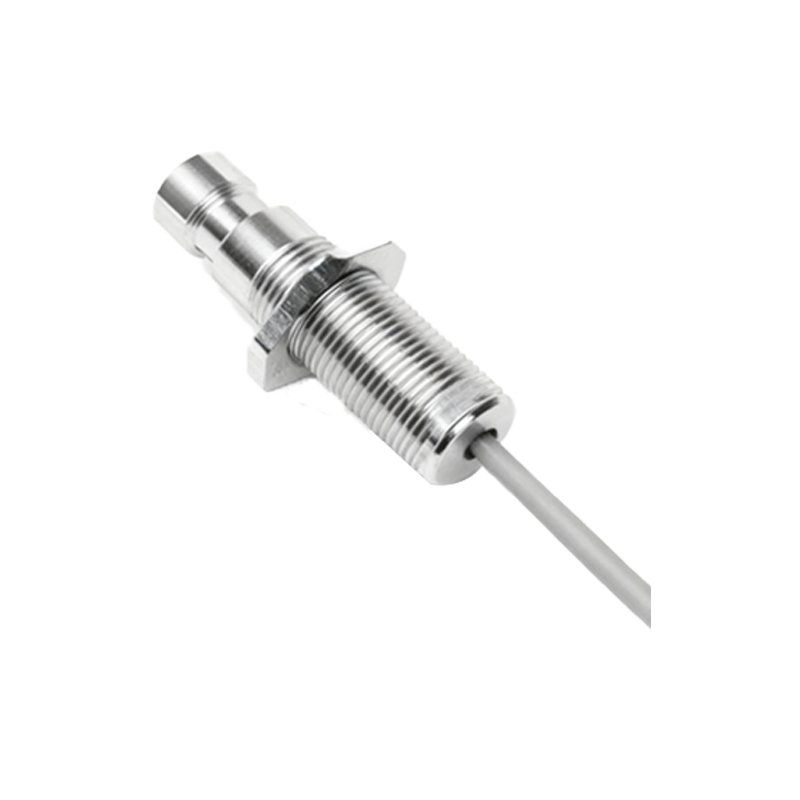
Capacitive sensors, on the other hand, can detect both metallic and non-metallic materials, including liquids, plastics, and wood. They work by measuring changes in capacitance, which is the ability to store an electrical charge. Your smartphone's touchscreen is a sophisticated application of capacitive sensing. Ultrasonic sensors emit high-frequency sound waves and measure the time it takes for the echo to return, calculating distance. They are excellent for harsh environments where dust or moisture might confuse optical sensors. Optical proximity sensors use a light emitter (usually infrared) and a receiver. When an object interrupts the beam of light, the sensor is triggered. You encounter this every day when your smartphone screen turns off during a phone call—a small infrared sensor near the earpiece detects your cheek to prevent accidental screen presses.
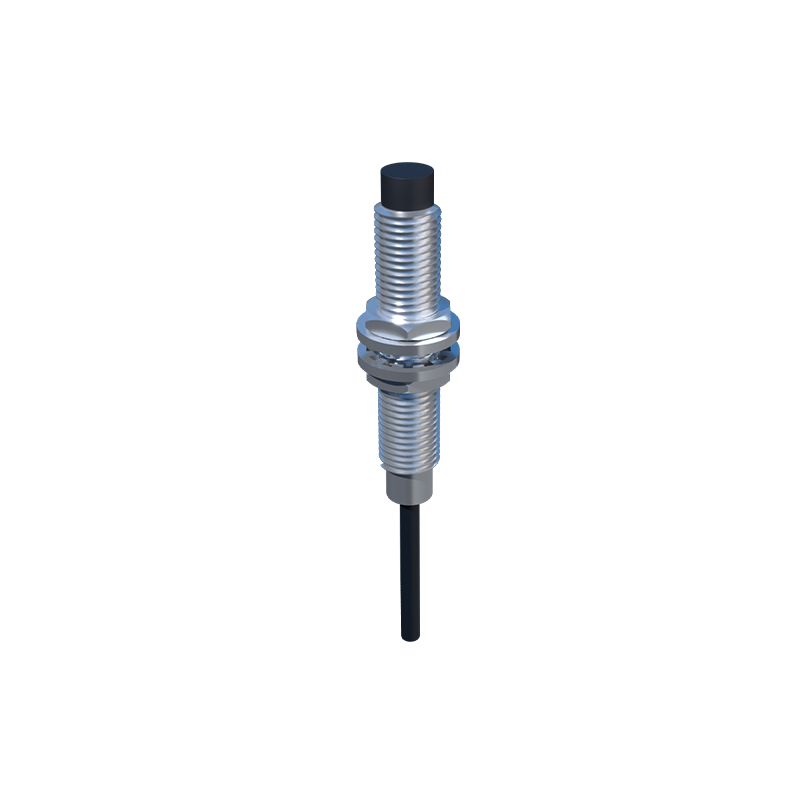
The applications are staggeringly diverse. Beyond smartphones, they are integral to automotive systems for parking assistance and blind-spot monitoring. In manufacturing, they enable robotic arms to "feel" their environment, ensuring precise assembly and worker safety by halting machines if a hand comes too close. In retail, they automate doors and manage inventory. In home appliances, they make faucets touchless and trash cans hands-free. The security industry uses them for intrusion detection, and even the humble elevator uses them to prevent doors from closing on people.
Choosing the right proximity sensor depends on several factors: the material of the target object, the required detection range, the environmental conditions (temperature, dust, humidity), the response speed needed, and of course, cost. For example, an inductive sensor is perfect for a fast-moving metal component on an assembly line but would be useless for detecting a glass bottle. A capacitive sensor could handle the bottle but might be triggered accidentally by humidity changes.
The advantages of using proximity sensors are clear. Their non-contact nature means no wear and tear from physical interaction, leading to exceptional longevity and reliability. They offer high-speed response, crucial for modern high-throughput automation. They can operate in difficult conditions where physical switches would fail. Furthermore, their solid-state design makes them resistant to vibration and shock.
Looking ahead, the evolution of proximity sensing is tied to the Internet of Things (IoT) and smarter systems. Sensors are becoming smaller, more energy-efficient, and more intelligent, with built-in diagnostics and the ability to communicate data for predictive maintenance. They are fundamental to creating responsive environments, from smart homes that adjust lighting as you move, to advanced robotics that can safely collaborate with humans.
In summary, a proximity sensor is far more than a simple switch. It is a versatile, reliable, and essential component that acts as the "eyes" and "feelers" for machines, bridging the gap between the physical and digital worlds. By detecting objects without touch, it enables automation, enhances safety, and creates seamless user experiences that we often take for granted in our daily lives.