Introduction to Non-Contact Sensing
In the realm of industrial automation and control systems, proximity sensors stand as fundamental components for detecting the presence or absence of an object without physical contact. These devices are pivotal in enhancing efficiency, safety, and reliability across countless applications. They are often referred to by several other names within technical documentation, engineering discussions, and procurement specifications. Understanding these alternative terms is crucial for professionals navigating datasheets, system designs, and global supply chains. This article delves into the common aliases and classifications of these versatile sensors.
Common Alternative Names and Terminology
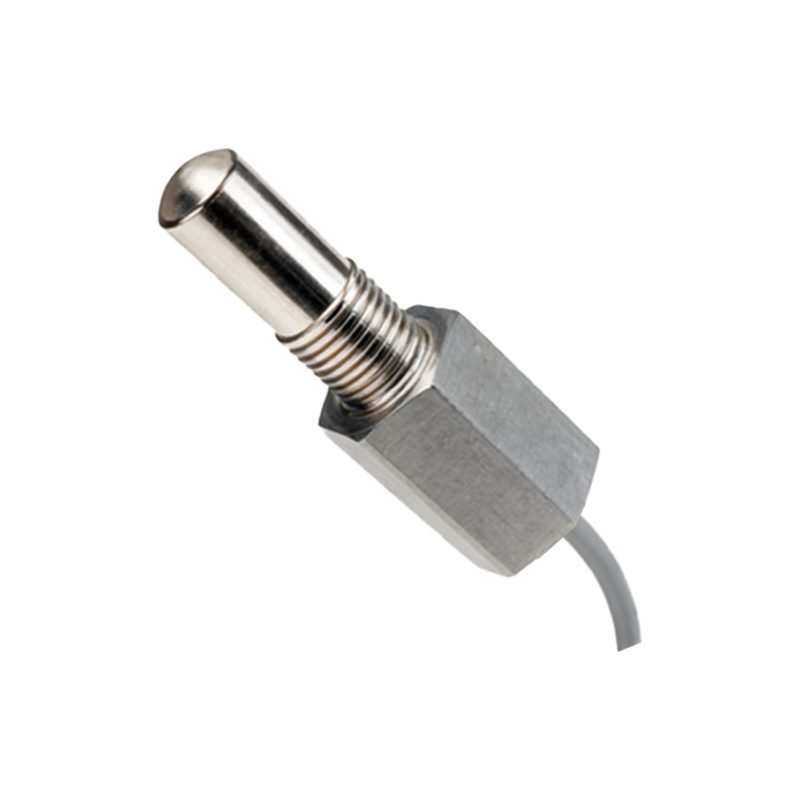
Proximity sensors are frequently designated based on their underlying technology or primary function. One of the most prevalent alternative names is Non-Contact Switch. This term emphasizes their core operational principle: acting as a switching device without requiring tactile interaction with the target. They are also broadly categorized as Position Sensors, highlighting their role in determining the precise location of an object. In specific contexts, especially when discussing their output nature, they are called Proximity Switches. Furthermore, when the detection method is specified, terms like Inductive Proximity Sensor or Capacitive Proximity Sensor are used, directly pointing to the physical principle exploited for detection.
Technology-Specific Nomenclature
The naming convention becomes more precise when aligned with the sensor's technology. Inductive Proximity Sensors, for instance, are sometimes simply called Inductive Sensors or Eddy-Current Sensors. They are exclusively used for detecting metallic objects. Capacitive Proximity Sensors may be referred to as Capacitive Sensors and can detect both metallic and non-metallic materials, including liquids and granules. Ultrasonic Proximity Sensors are often termed Ultrasonic Sensors or Sonar Sensors, utilizing sound waves for distance measurement. Photoelectric Sensors, which use light beams, are another major category sometimes grouped under the proximity umbrella, especially in diffuse or retro-reflective modes for presence detection.
Functional Descriptions and Industry Slang
Beyond technical specifications, functional descriptions serve as common references. Terms like Object Detection Sensor, Presence Sensor, or Part Detector are widely used in application notes and system descriptions. In certain industries, colloquial terms emerge. For example, on factory floors, they might be casually called "Prox Sensors" or "Limit Switches" (though traditional mechanical limit switches are contact-based). The term "Sensor Switch" is also encountered, blending the sensing and switching functionalities into a single descriptor.
Key Selection Criteria and Implications
Recognizing these various names is not merely an academic exercise; it directly impacts sensor selection. A specification calling for a "Non-Contact Position Switch for Metal" clearly points towards an inductive proximity sensor. A need for a "Liquid Level Sensor" might be fulfilled by a capacitive proximity sensor. Understanding that a "Photoelectric Proximity Switch" refers to a specific type of photoelectric sensor operating in a short-range, diffuse mode prevents procurement errors. This knowledge ensures the correct technology is chosen based on factors like target material, sensing distance, environmental conditions, and required output type.
Applications Across Diverse Sectors
The versatility reflected in their names translates to vast applications. In automotive assembly, inductive proximity sensors (often called part presence sensors) count gears or verify component placement. In packaging, photoelectric sensors (acting as proximity detectors) ensure cartons are correctly positioned for labeling. Capacitive sensors monitor fill levels in food and beverage processing. Ultrasonic sensors gauge roll diameter in paper mills. This widespread use across manufacturing, robotics, aerospace, and consumer electronics underscores their critical role.
Conclusion: The Importance of Precise Terminology
In conclusion, proximity sensors, under their many guises such as non-contact switches, position sensors, or technology-specific names, form the backbone of modern automated systems. For engineers, technicians, and procurement specialists, fluency in this terminology is essential. It bridges communication gaps between design, maintenance, and supply departments, ensuring that the precise sensing solution is implemented for optimal system performance, safety, and cost-effectiveness. Always cross-reference the operational principle with the application requirement, regardless of the name used.