Introduction to Separated Photoelectric Sensors
Separated photoelectric sensors, also known as through-beam sensors, are fundamental components in industrial automation. They consist of two separate units: a transmitter and a receiver. The transmitter emits a beam of light, typically infrared or laser, which is detected by the receiver. An object is sensed when it interrupts this beam. This configuration offers significant advantages, including long sensing distances, high precision, and excellent reliability, making them ideal for applications like object detection, counting, and safety guarding. However, the performance and longevity of these sensors are heavily dependent on one critical, yet often overlooked, component: the installation base or mounting bracket.
The Critical Role of the Installation Base
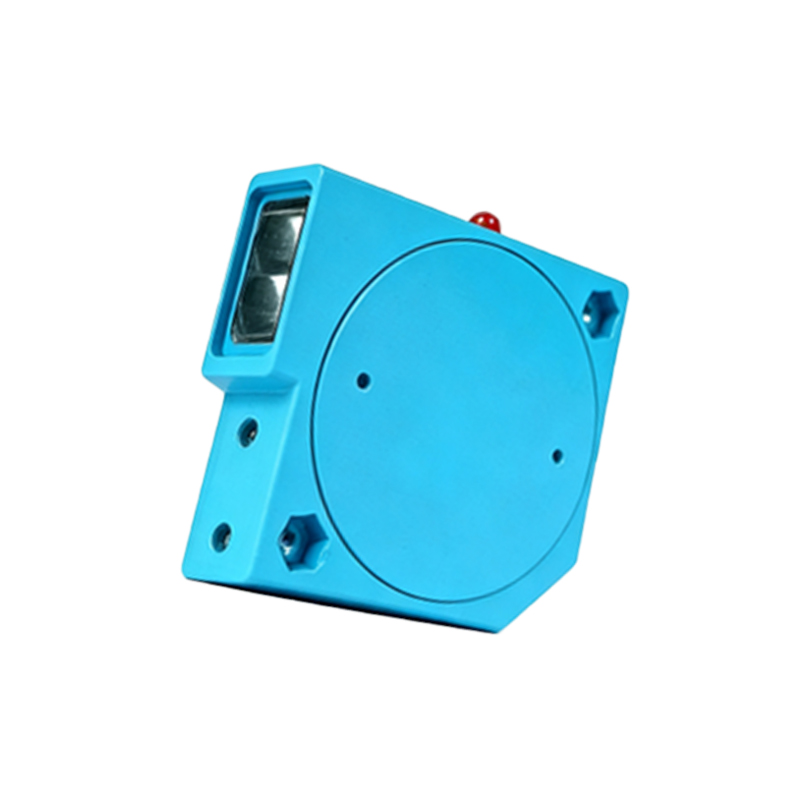
An installation base is far more than a simple piece of metal to hold a sensor. It is a precision-engineered interface that ensures optimal system performance. A properly designed and installed base provides mechanical stability, protecting the sensor from vibrations, shocks, and incidental contact that are commonplace in industrial environments. More importantly, it guarantees precise and permanent alignment between the transmitter and receiver. Even a minor misalignment, caused by a flimsy bracket or improper installation, can lead to false triggers, missed detections, or complete system failure. The base also facilitates easier installation, adjustment, and maintenance, reducing downtime and labor costs.
Key Design Considerations for Mounting Bases
Selecting the right installation base requires careful consideration of several factors. Material is paramount; bases are commonly manufactured from durable metals like aluminum or stainless steel to resist corrosion and provide structural integrity. The design must account for the specific sensor model, ensuring a secure and snug fit. Adjustability features, such as slotted holes or fine-thread adjustment screws, are invaluable for achieving perfect beam alignment during setup. Environmental protection is another key aspect; some bases include integrated shrouds or lips to shield the sensor's lens from dust, debris, or direct spray, complying with IP ratings. Finally, the mounting method—whether it's for direct bolt-on, magnetic attachment, or rail mounting—must be compatible with the machine structure.
Installation and Alignment Best Practices
Correct installation is a systematic process. First, securely mount the bases for both the transmitter and receiver onto a stable, vibration-free surface. Ensure they are positioned at the same height and on a parallel plane. Initially, keep the sensors loose in their bases. Use the manufacturer's alignment aids, if available. For many sensors, aligning the beam is as simple as observing an indicator LED; maximize its brightness on the receiver unit. For critical or long-range applications, use a laser alignment tool. Once optimal signal strength is confirmed, carefully and evenly tighten all fastening screws on the sensor and the base, taking care not to shift the alignment. Always perform a functional test by passing a target object through the beam at various speeds and positions.
Common Challenges and Troubleshooting Tips
Even with a robust base, challenges can arise. Persistent alignment issues often stem from an unstable mounting surface or a base that lacks rigidity. Upgrading to a heavier-duty base or reinforcing the mounting structure can resolve this. Environmental factors like accumulating dust on lenses or condensation can attenuate the light beam. Bases with protective hoods and regular maintenance schedules help mitigate this. In environments with significant temperature fluctuations, thermal expansion of the base or machinery can slowly misalign sensors. Using bases with some degree of thermal compensation or planning for periodic realignment is necessary. Always verify the alignment as part of routine preventive maintenance.
Advanced Mounting Solutions and Accessories
Beyond standard brackets, a range of advanced mounting solutions exists for complex applications. Articulating or gimbal mounts allow for multi-axis adjustment, simplifying alignment in confined spaces. Vibration-damping bases incorporate rubber isolators to protect sensitive sensors in high-vibration settings like packaging machinery or stamping presses. For mobile applications or temporary setups, magnetic bases offer quick installation and removal from ferrous surfaces. Additionally, accessory kits often include protective covers, sunshades to combat ambient light interference, and extension brackets for achieving the perfect sensor position. Consulting with sensor manufacturers or specialized suppliers is recommended for non-standard mounting scenarios.
Conclusion: Investing in Stability for Reliability
In the realm of industrial automation, reliability is non-negotiable. The installation base for a separated photoelectric sensor is a small investment that pays substantial dividends in system uptime, accuracy, and safety. By selecting a high-quality, appropriately specified mounting base and adhering to meticulous installation and alignment procedures, engineers and technicians can ensure that their photoelectric sensing systems perform flawlessly for years. Never underestimate the foundation; a stable base is the cornerstone of a reliable sensor application.