Introduction to Proximity Sensing Technology
Proximity sensors are fundamental components in modern industrial automation, providing non-contact detection of objects within a defined range. Among the diverse offerings in the market, the GL-8F series stands out as a reliable and widely adopted inductive proximity sensor. Designed for robustness and precision, this sensor is engineered to detect the presence of metallic objects without any physical contact, thereby eliminating mechanical wear and enabling high-speed operation. Its core principle relies on generating an electromagnetic field. When a metallic target enters this field, it induces eddy currents within the target, causing a change in the sensor's oscillation amplitude. This change is detected by the internal circuitry, which subsequently triggers a solid-state output signal. This mechanism makes the GL-8F an indispensable tool for tasks such as position verification, counting, and end-of-travel detection in harsh industrial environments.
Key Specifications and Electrical Characteristics
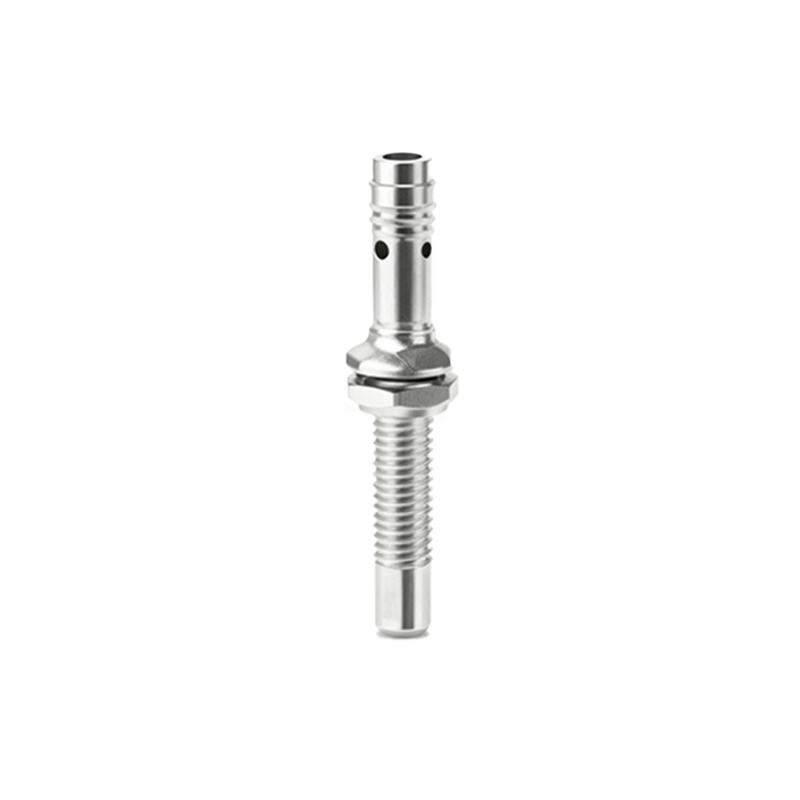
The GL-8F sensor is typically characterized by its specific technical parameters, which dictate its suitability for various applications. It commonly operates on a DC supply voltage, often in the range of 10-30V DC, making it compatible with standard industrial control systems. The output configuration is usually a 3-wire setup with a PNP (sourcing) or NPN (sinking) transistor output, capable of switching loads up to 200mA. Its sensing distance, a critical parameter, is nominally 8mm, though this can vary slightly depending on the target material and size; a standard mild steel square target is used for calibration. The housing is typically constructed from nickel-plated brass or stainless steel, offering excellent resistance to oils, coolants, and physical impacts. The sensor also features built-in protection against short-circuit, reverse polarity, and surge voltages, enhancing its longevity and reliability on the factory floor.
Mechanical Design and Environmental Ratings
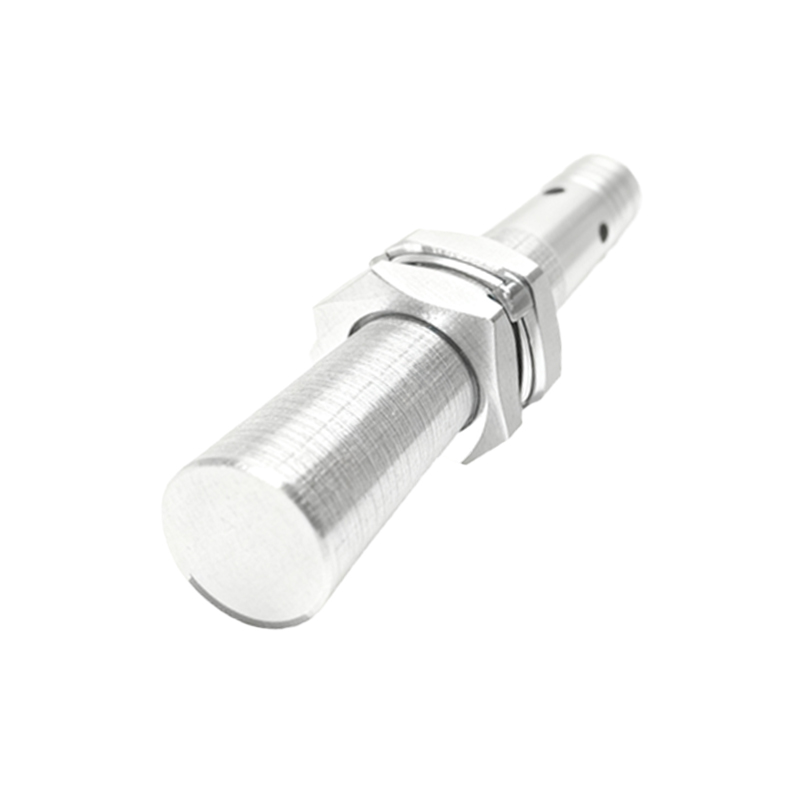
The physical construction of the GL-8F is tailored for durability. It often comes in a cylindrical threaded barrel form factor, such as M8 x 1 or M12 x 1, allowing for easy installation in standard mounting holes. The sensing face is flush-mountable, meaning it can be embedded in metal without a loss of sensing range, a feature crucial for protected installations. Many models in this series boast an IP67 or higher ingress protection rating. This rating certifies that the sensor is completely dust-tight and can withstand temporary immersion in water, making it suitable for washdown areas in food processing or outdoor applications. The operating temperature range is typically from -25°C to +70°C, ensuring stable performance across a wide spectrum of environmental conditions encountered in global industrial settings.
Application Scenarios and Integration
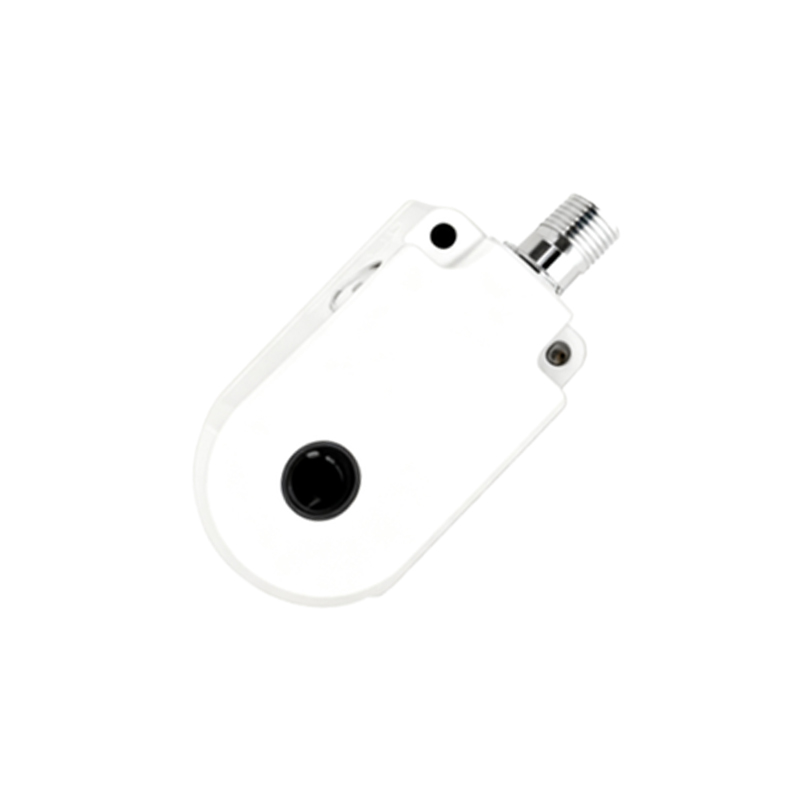
In practical terms, the GL-8F finds extensive use across numerous sectors. In automotive assembly lines, it detects the presence of engine blocks or confirms the position of robotic arms. In packaging machinery, it counts metallic items on conveyor belts or verifies the closed position of metal doors and guards. Its fast response time allows for high-speed counting and precision control. Integration into a control system is straightforward: the brown wire connects to the positive supply, the blue wire to the common negative, and the black wire serves as the switched output to a PLC input module or a relay. A key consideration during installation is maintaining the proper sensing gap and accounting for the reduction factor when detecting non-ferrous metals like aluminum or copper, which require a closer proximity for reliable detection.
Advantages and Selection Considerations
The primary advantages of the GL-8F proximity sensor include its long operational life, maintenance-free operation, and immunity to environmental factors like dust, dirt, and moisture that would impede optical or mechanical switches. Its solid-state output provides bounce-free switching, essential for accurate digital counting. When selecting a GL-8F sensor, engineers must consider several factors: the required sensing distance, the material and size of the target, the output type (PNP/NPN) to match the controller, the supply voltage, and the required housing material for chemical resistance. Additionally, choosing a model with an LED status indicator is highly recommended for simplified diagnostics and troubleshooting during commissioning and maintenance cycles.
Troubleshooting and Maintenance Best Practices
Despite their robustness, proper installation and occasional checks are vital. Common issues include failure to detect, which may stem from an incorrect power supply, a target outside the sensing range, or accumulation of metallic debris on the sensing face. Intermittent operation could indicate loose wiring or electrical noise interference, which can often be mitigated by using shielded cables and ensuring proper grounding. Regular maintenance involves visually inspecting the sensor for physical damage, cleaning the sensing face to remove any contaminants, and verifying the electrical connections. By