Introduction to China's Photoelectric Sensor Landscape
The photoelectric sensor market in China has experienced explosive growth, driven by the rapid expansion of industrial automation, robotics, and smart manufacturing initiatives like "Made in China 2025." Chinese manufacturers have evolved from being purely volume producers to becoming innovators, offering a wide spectrum of sensors including diffuse, retro-reflective, through-beam, and specialized fiber optic types. This competitive landscape is characterized by a blend of large, established industrial conglomerates and agile, technology-focused specialists. The ranking presented here is based on a comprehensive evaluation of market share, technological innovation, product portfolio breadth, global reach, and industry reputation within the engineering community. These companies are pivotal in providing reliable, cost-effective sensing solutions for applications ranging from simple object detection to complex precision measurement.
Ifm Electronic: The Precision Leader
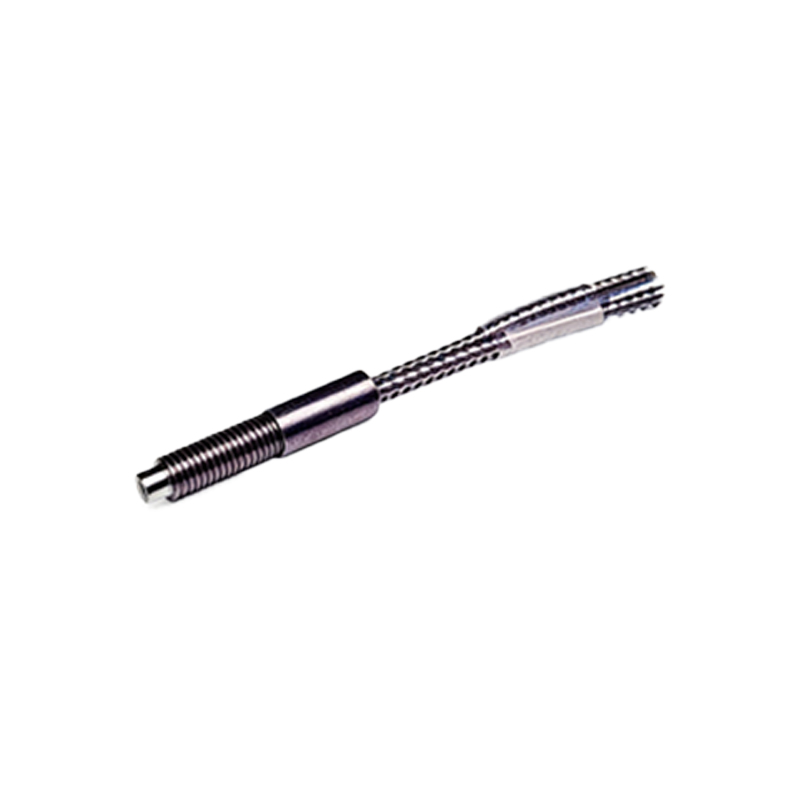
As a global giant with a formidable presence in China, ifm electronic sets a high benchmark for performance and reliability. Their photoelectric sensors are renowned for advanced features like IO-Link connectivity, exceptional background suppression, and robust housing designs suitable for harsh industrial environments. While often positioned at a premium price point, ifm's sensors are the go-to choice for critical applications in automotive, food and beverage, and packaging industries where failure is not an option. Their extensive application expertise and strong technical support network across China solidify their top-tier status among engineers who prioritize precision and long-term operational stability.
SICK Sensor Intelligence: Innovation and Integration
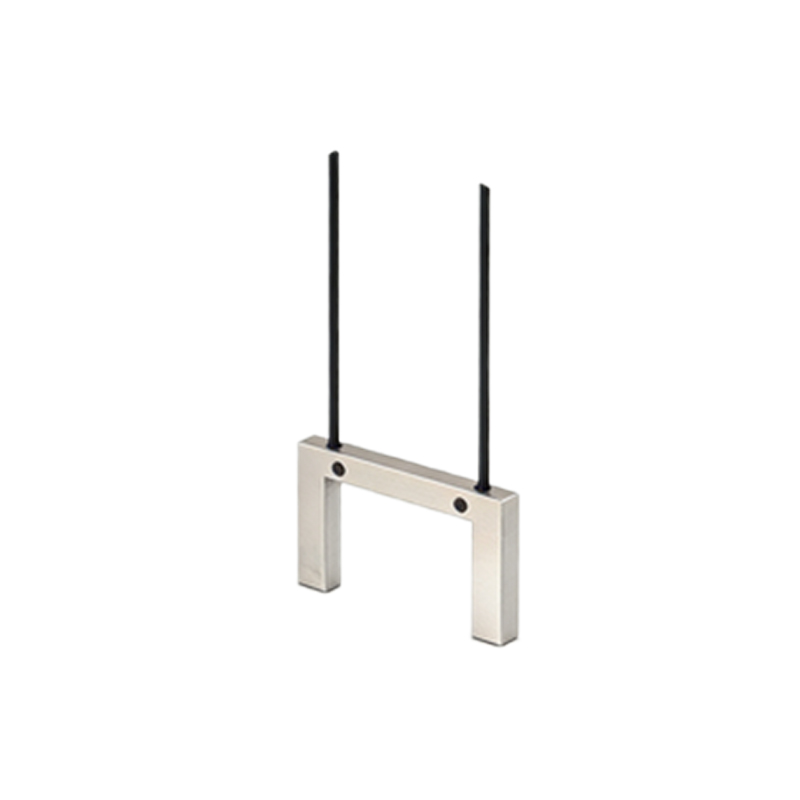
SICK AG's Chinese operations are synonymous with cutting-edge sensor intelligence. They offer one of the most comprehensive portfolios, including innovative solutions like multi-pixel array technology for precise contour detection and color recognition sensors. SICK's strength lies in creating integrated sensing systems that solve complex automation challenges, particularly in logistics, material handling, and advanced robotics. Their commitment to R&D ensures a constant pipeline of new products tailored to emerging market needs, making them a key technology partner for companies implementing high-level automation and Industry 4.0 projects.
Omron Automation: Reliability and Versatility
Omron's deep-rooted history in factory automation is reflected in its photoelectric sensor lineup. They are celebrated for a perfect balance of reliability, versatility, and user-friendly design. Omron sensors often feature easy-to-use settings like teach-in functions and clear status indicators. Their product range covers everything from miniature sensors for tight spaces to long-range models and safety-rated versions. This versatility, combined with Omron's vast distribution and service network throughout China, makes their sensors a ubiquitous and trusted component on countless production lines, especially in electronics assembly and general manufacturing.
Keyence: High-Performance and Advanced Solutions
Keyence stands out for pushing the boundaries of what photoelectric sensors can achieve, particularly in high-precision and high-speed applications. Their products frequently incorporate proprietary technologies for ultra-fine beam control, hyper-fast response times, and exceptional stability against environmental interference. Keyence's approach is highly solution-oriented, often providing specialized sensors for challenging tasks like detecting transparent objects, ultra-small components, or precise edge positioning. Their direct sales engineering model provides deep application support, making them a preferred choice for demanding sectors like semiconductor manufacturing and precision machinery.
Panasonic Industry: Consistent Quality and Durability
Panasonic Industry offers a robust range of photoelectric sensors known for their consistent quality, durability, and excellent value. They have a strong focus on developing sensors with high noise immunity and stable performance under varying temperature and voltage conditions. Panasonic's lineup includes many industry-standard form factors, ensuring easy replacement and integration into existing systems. Their sensors are widely adopted in home appliance manufacturing, automotive parts production, and other volume manufacturing environments where consistent, trouble-free operation over long periods is paramount.
Balluff: Connectivity and Smart Sensor Solutions
Balluff has strategically positioned itself as a leader in smart sensor technology and Industrial IoT. Their photoelectric sensors are often equipped with advanced diagnostics and industrial network interfaces like IO-Link, PROFINET, and EtherNet/IP. This allows for seamless integration into smart factories, enabling predictive maintenance and data-driven process optimization. Balluff's focus on connectivity and condition monitoring makes them a strategic supplier for engineers designing the next generation of connected production lines and automated warehouses in China.
Pepperl+Fuchs: Expertise in Harsh Environments
Pepperl+Fuchs is the undisputed expert in sensing solutions for hazardous and extremely harsh industrial environments. Their photoelectric sensors for use in explosive atmospheres (ATEX, IECEx) are industry benchmarks. Beyond intrinsic safety, they offer a wide array of ruggedized sensors with high protection ratings (IP67/IP69K) that withstand heavy washdown, extreme temperatures, and corrosive chemicals. This specialization makes them an essential partner for industries such as oil & gas, chemical processing, pharmaceutical, and aggressive food production.
Turck: Ruggedness and Broad Portfolio
Turck is renowned for manufacturing exceptionally rugged and reliable sensors built to endure the toughest industrial conditions. Their photoelectric sensors feature robust metal or high-grade plastic housings and are designed for easy installation and maintenance. Turck offers a very broad standard portfolio, ensuring availability for almost any standard application. Their strength lies in providing dependable, no-frills sensing solutions for heavy industries like mining, steel, cement, and outdoor applications where mechanical stress and environmental factors are major concerns.
Banner Engineering: Application-Specific Innovation
Banner Engineering excels at creating innovative, application-specific photoelectric sensors that solve unique detection challenges. They are known for pioneering technologies in areas like clear object detection, luminescence sensing, and precise measurement. Banner's engineers are adept at developing customized solutions, and their standard catalog includes many niche products. This problem-solving approach has earned them a loyal following in diverse fields, including packaging, printing, wood processing, and solar panel manufacturing.
Contrinex: High-Frequency and Miniature Specialists
Contrinex has carved a strong niche with its high-performance sensors, particularly known for very high switching frequencies and extremely miniature designs. Their "Miniature" and "Subminiature" series are ideal for applications with severe space constraints, such as in small robotic grippers, electronic assembly machines, and medical devices. Contrinex sensors also offer excellent resistance to electromagnetic interference, making them suitable for use near welding equipment or powerful motors. They are a key supplier for high-speed automation and precision engineering sectors.
Local Champions: Sunny Optical and Others
The landscape is also fortified by capable Chinese manufacturers like Sunny Optical Technology. While historically focused on optical components, companies like these are increasingly developing and manufacturing complete photoelectric sensor modules. They compete effectively in the mid-range market by offering good performance at highly competitive prices, primarily serving domestic automation equipment builders and cost-sensitive applications. Their growth signifies the increasing depth and technological capability of China's indigenous sensor supply chain.