Understanding Proximity Sensor Technology
Proximity sensors are indispensable components in modern industrial automation, providing non-contact detection of objects. These devices operate on various principles, including inductive, capacitive, ultrasonic, and photoelectric sensing. Inductive sensors detect metallic objects, while capacitive sensors can sense both metallic and non-metallic materials. The choice of technology fundamentally depends on the application's specific requirements, such as target material, sensing distance, environmental conditions, and required output signal. A deep understanding of these core technologies is the first step in selecting a reliable supplier, as their expertise in a particular sensing principle will dictate the quality and suitability of their product offerings for your project.
Key Criteria for Evaluating Suppliers
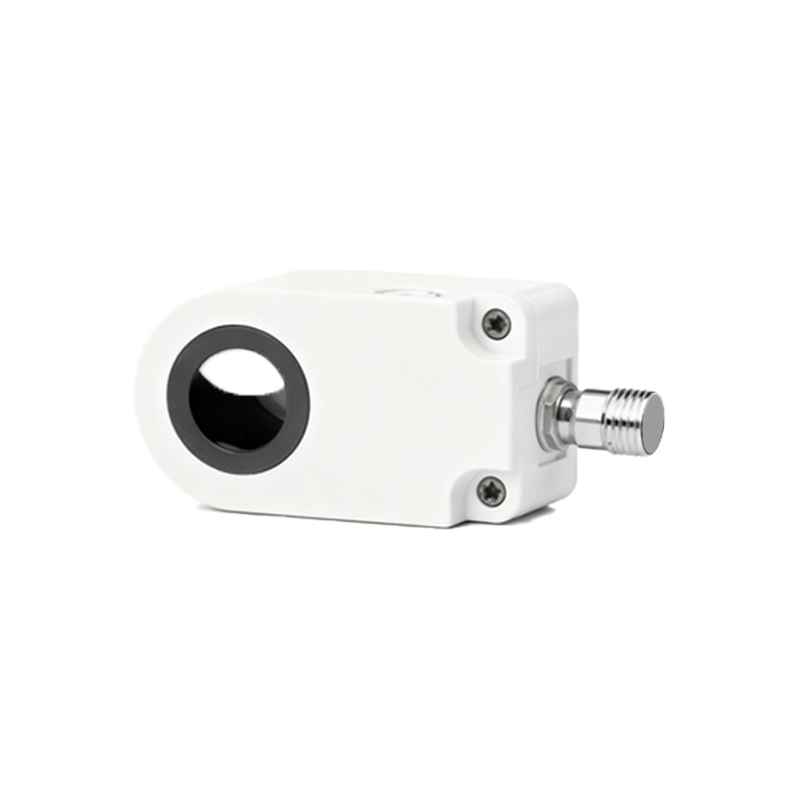
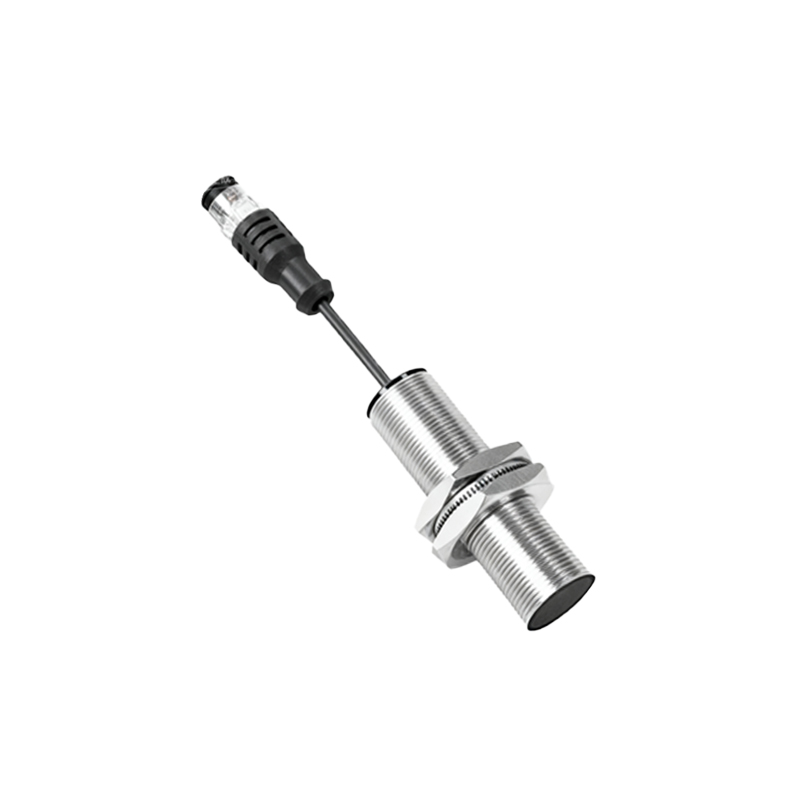
Selecting the right proximity sensor supplier goes beyond comparing price lists. Several critical factors must be weighed. First, assess the supplier's technical expertise and ability to provide application-specific support. Can their engineers help solve complex sensing challenges? Second, evaluate their product range and customization capabilities. A robust portfolio covering various housing materials (e.g., stainless steel, PBT, nickel-plated brass), form factors (cylindrical, rectangular, ring-shaped), and output types (PNP, NPN, analog, IO-Link) is essential. Third, scrutinize their quality assurance processes, including certifications like ISO 9001 and the implementation of rigorous testing protocols. Finally, consider their global logistics network and local inventory to ensure supply chain resilience and minimize downtime.
Leading Global Manufacturers and Specialists
The market for proximity sensors is served by both large, diversified automation giants and focused niche specialists. Major global manufacturers, such as Siemens, Omron, Schneider Electric, and Rockwell Automation (Allen-Bradley), offer comprehensive sensor lines integrated into broader automation ecosystems. Their strengths lie in global availability, extensive technical documentation, and seamless compatibility with other control products. Conversely, specialized suppliers like Pepperl+Fuchs, Turck, and SICK excel in developing high-performance, rugged sensors for demanding environments like food & beverage, chemical, or heavy machinery. These specialists often pioneer advanced features like increased switching frequencies, extreme temperature tolerance, and enhanced resistance to welding fields or washdowns.
The Importance of Technical Support and Documentation
A supplier's value is significantly enhanced by the quality of its technical support and documentation. Premier suppliers provide detailed datasheets with comprehensive specifications, 2D/3D CAD models for easy integration into machine designs, and clear wiring diagrams. Furthermore, they offer robust online selection tools, configurators, and sizing software to assist engineers in the product selection process. Post-sales support is equally crucial; responsive application engineers who can troubleshoot installation issues or recommend alternative solutions are invaluable assets. The availability of training modules, webinars, and whitepapers on sensor best practices also indicates a supplier committed to customer education and long-term partnership.
Trends Shaping the Future of Proximity Sensing
Innovative suppliers are at the forefront of several key trends. The integration of Industrial Internet of Things (IIoT) capabilities is paramount. Sensors with IO-Link communication provide not just a switching signal but rich diagnostic data (e.g., operating temperature, signal strength, contamination warnings) for predictive maintenance. Another trend is miniaturization, enabling sensors to fit into increasingly compact machinery without sacrificing performance or sensing range. Additionally, there is a growing demand for sensors made from specialized materials for hygienic (FDA-compliant) or highly corrosive environments. Suppliers investing in R&D for these advanced features are positioning themselves as leaders for the smart factories of tomorrow.
Making the Final Procurement Decision
The final selection of a proximity sensor supplier should be a strategic decision aligned with your operational goals. For high-volume, standard applications, a supplier with competitive pricing, reliable delivery, and a proven track record in your industry may be ideal. For complex, mission-critical applications, prioritize suppliers with demonstrable technical prowess and a willingness to collaborate on custom solutions. Always request samples for real-world testing under actual operating conditions. Ultimately, the best supplier acts as a technology partner, contributing not just components but expertise that enhances your machinery's reliability, efficiency, and intelligence, ensuring a strong return on investment over the sensor's entire lifecycle.