Understanding Miniature Photoelectric Sensors
Miniature photoelectric sensors are compact devices that detect the presence, absence, or distance of objects using a light transmitter and receiver. Their small size allows for installation in tight spaces where traditional sensors cannot fit. These sensors operate on the principle of light beam interruption or reflection, making them ideal for precise detection tasks. Common types include through-beam, retro-reflective, and diffuse reflective sensors, each suited for specific environmental and application needs. Their robustness, fast response times, and reliability have made them indispensable in modern automation and control systems across various industries.
Key Factors for Optimal Sensor Placement
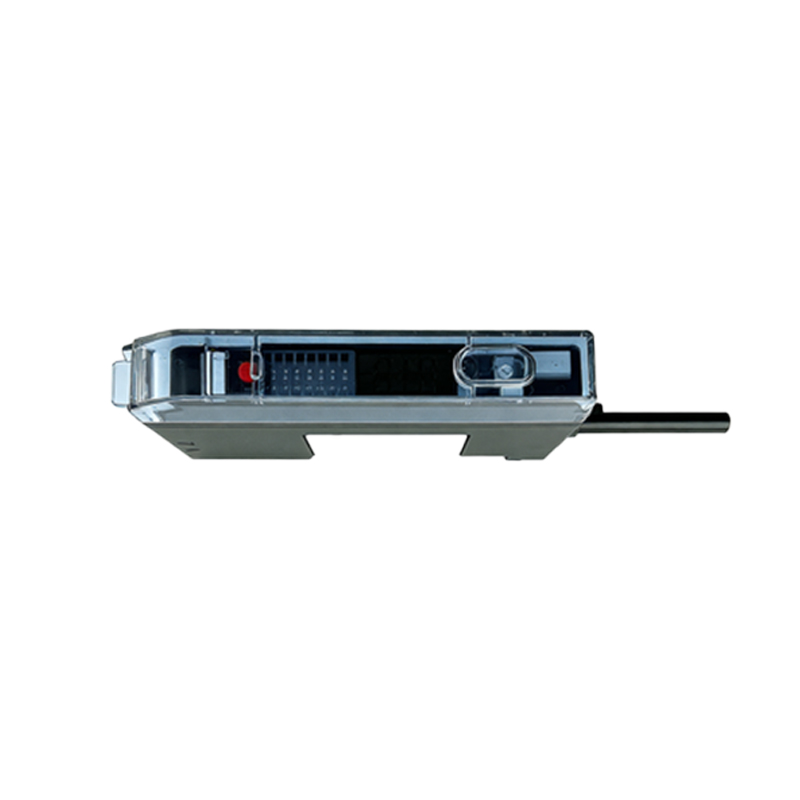
Proper positioning is critical to maximize the performance and longevity of miniature photoelectric sensors. First, consider the sensing range and beam characteristics; alignment must be precise to avoid false triggers or missed detections. Environmental factors such as ambient light, dust, and vibrations can interfere with sensor operation, so placement should minimize exposure to these elements. Mounting stability is another crucial aspect—ensure the sensor is securely fixed to prevent shifts that could affect accuracy. Additionally, accessibility for maintenance and calibration should be factored into the placement strategy to reduce downtime.
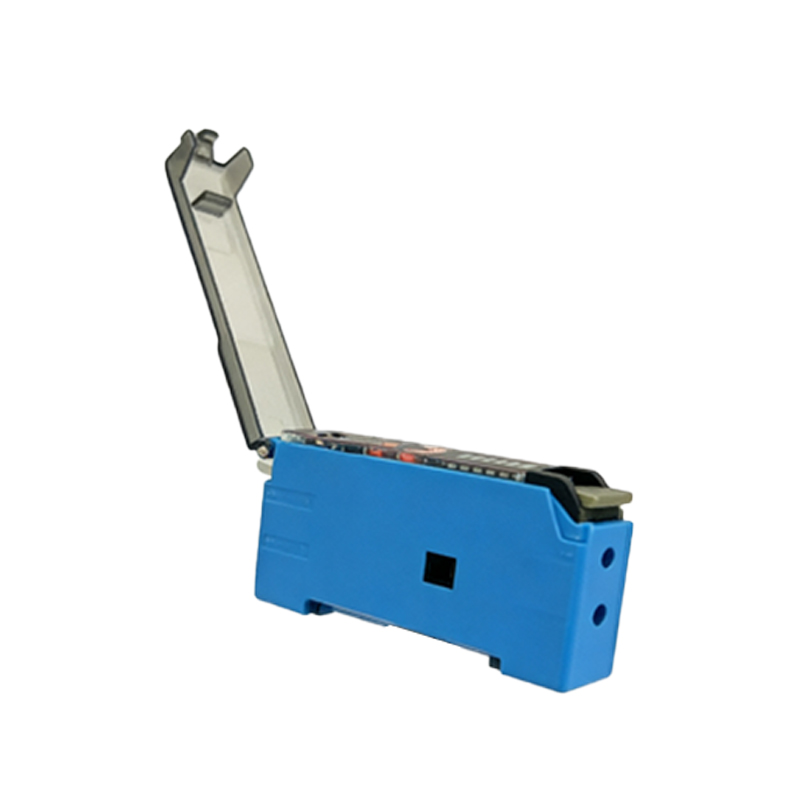
Common Industrial Applications and Positioning Strategies
In manufacturing lines, miniature photoelectric sensors are often positioned along conveyor belts to detect product presence, count items, or verify orientation. For example, through-beam sensors are placed opposite each other across the belt for high-accuracy detection, while diffuse sensors might be angled to sense reflective surfaces. In packaging machinery, sensors are mounted near sealing or labeling stations to ensure proper material feed. Robotics applications utilize these sensors for end-effector positioning or part verification, often placing them close to moving components for real-time feedback. Each scenario requires tailored positioning to address specific operational challenges.
Installation Best Practices and Troubleshooting
Follow manufacturer guidelines for mounting distances and angles to ensure optimal performance. Use brackets or adjustable mounts to fine-tune alignment during installation. Regularly clean lenses and housings to prevent buildup that could scatter or block light beams. When troubleshooting detection issues, check for misalignment, power supply fluctuations, or environmental interferences first. Implementing shielding or filters can mitigate problems from ambient light. Documenting placement configurations aids in quick recalibration if sensors are moved or replaced, maintaining system efficiency over time.
Future Trends in Sensor Positioning Technology
Advancements in miniaturization and connectivity are shaping the future of photoelectric sensor placement. Integrated smart sensors with IoT capabilities allow for remote monitoring and adjustment of positions via digital interfaces. Enhanced materials and designs improve resistance to harsh conditions, enabling placement in previously unsuitable areas. Machine learning algorithms may soon optimize positioning dynamically based on real-time data, reducing manual setup efforts. As industries embrace Industry 4.0, the precision and adaptability of sensor placement will continue to evolve, driving greater automation efficiency.