Introduction to Infrared Proximity Sensing
Infrared proximity sensors are fundamental components in modern automation and industrial control systems. These devices operate by detecting the presence, absence, or distance of an object without any physical contact. The core principle relies on the emission and reception of infrared light, which is invisible to the human eye. This non-contact method offers significant advantages, including reduced mechanical wear, high-speed operation, and the ability to detect a wide variety of materials. From assembly line object counting to robotic navigation and safety curtains, the applications are vast and critical for efficient industrial operations.
The Core Working Principle: Triangulation and Reflection
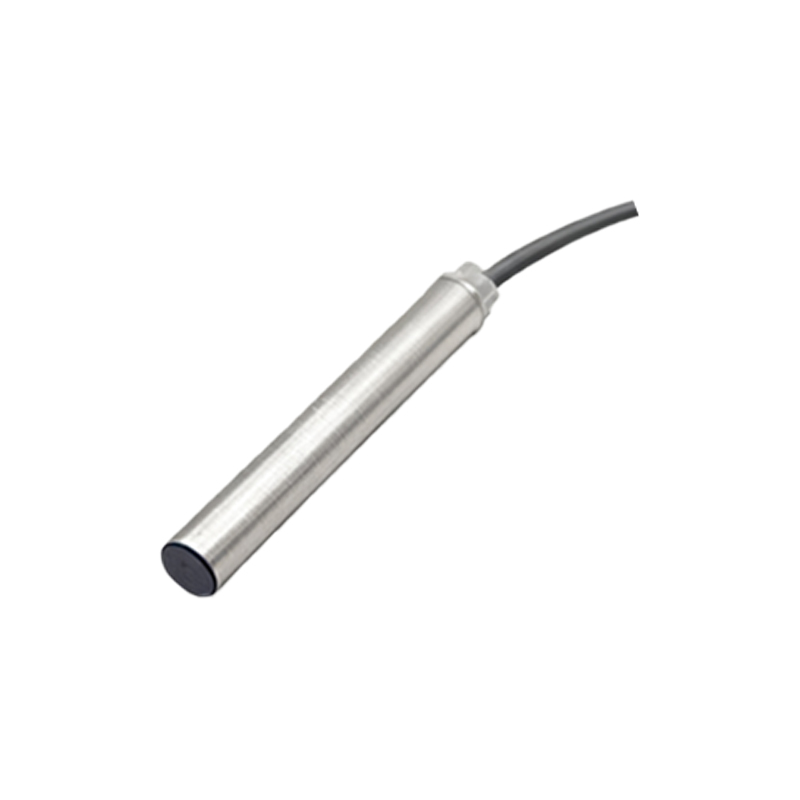
At the heart of most infrared proximity sensors lies a simple yet effective mechanism. An infrared LED emits a beam of modulated infrared light towards a target area. When an object enters this field, it reflects a portion of the emitted light back towards the sensor. A dedicated phototransistor or photodiode, positioned at a specific angle to the emitter, acts as the receiver. The key to distance measurement is the principle of triangulation. The position where the reflected light spot hits the receiver's sensitive surface changes depending on the distance to the target object. A closer object reflects light hitting the receiver at a different point than a farther object. An internal circuit, often containing a specialized IC, analyzes this positional change on the receiver to calculate the precise distance.
Modulation and Demodulation for Noise Immunity
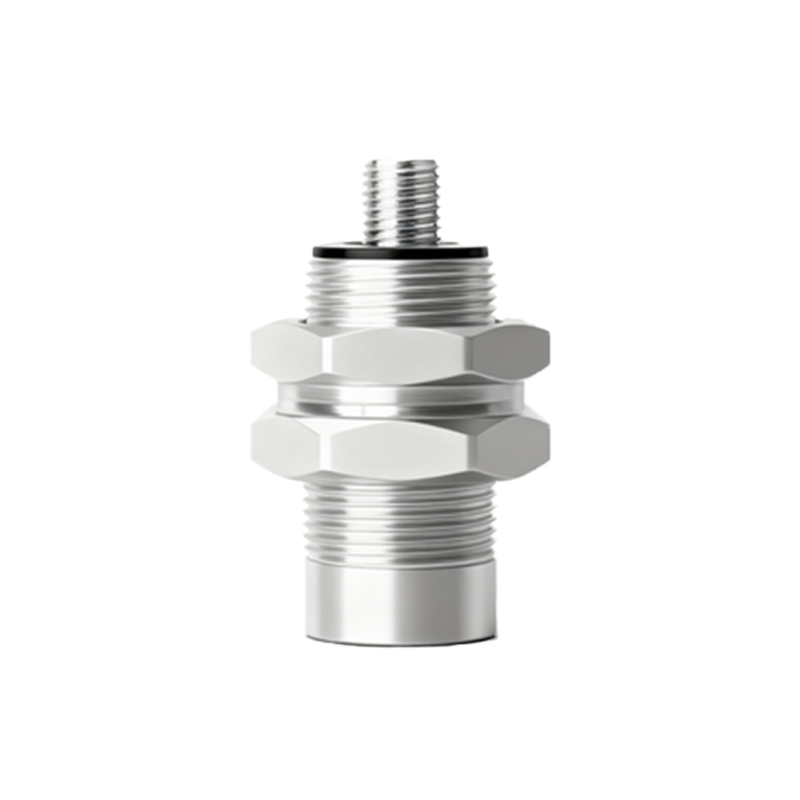
Industrial environments are electrically noisy, with ambient light from fixtures and sunlight posing a major challenge. To ensure reliable operation, infrared proximity sensors employ modulation and demodulation techniques. The infrared LED does not emit a constant beam; instead, it pulses at a specific high frequency (e.g., several kilohertz). The receiver circuit is tuned to respond only to light modulated at this exact frequency. This design effectively filters out constant ambient light and most other sources of optical interference. Only the reflected, modulated signal from the sensor's own emitter is processed, granting the system remarkable immunity to environmental optical noise, a critical feature for robust industrial performance.
Key Components and Sensor Architecture
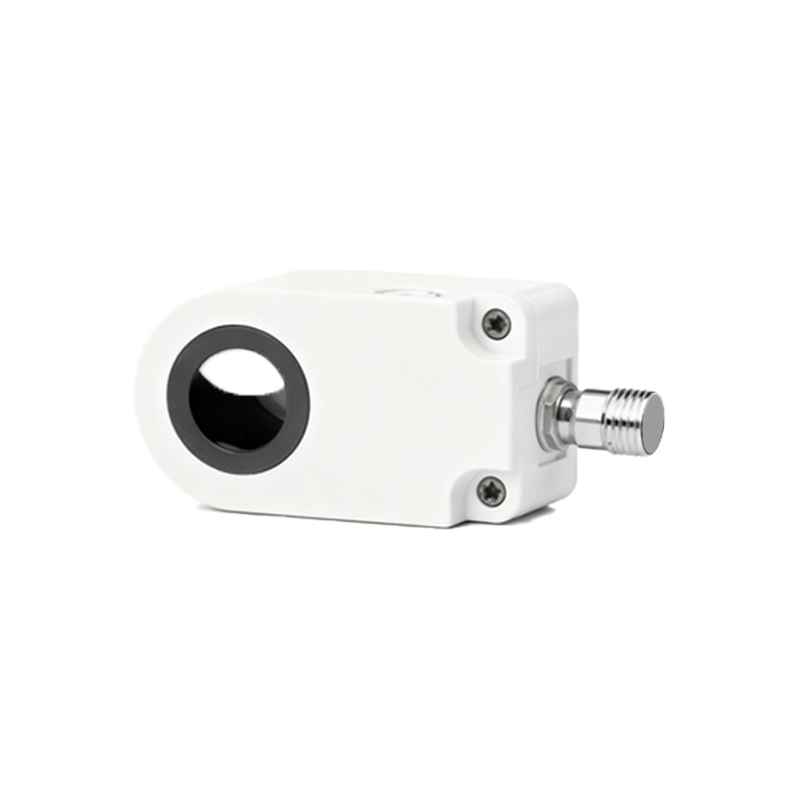
A typical sensor comprises several key components. The emitter section includes the infrared LED and a drive circuit that controls the modulation. The receiver section consists of the position-sensitive detector (PSD) or a simple photodiode array, along with high-gain amplification circuitry. A signal processing unit, often a microcontroller or an application-specific integrated circuit (ASIC), performs the critical tasks of calculating the distance based on the receiver's output and providing a usable signal. This output can be analog (e.g., 0-10V, 4-20mA proportional to distance) or digital (e.g., a switch signal or serial data via protocols like IO-Link). The housing is designed to optically separate the emitter and receiver to prevent internal crosstalk.
Types of Infrared Proximity Sensors
There are two primary configurations: diffuse reflective and retro-reflective. Diffuse reflective sensors, the most common type for proximity detection, rely on light reflecting directly off the target object. Their sensing range and accuracy are influenced by the object's color, texture, and material. Retro-reflective models use a separate reflector; the sensor detects an object when it interrupts the beam between the sensor and the reflector. This type offers longer ranges and is less dependent on the object's surface properties. Furthermore, sensors are categorized by output type: background suppression sensors can ignore objects beyond a set distance, while analog sensors provide continuous distance data.
Critical Performance Parameters and Selection Criteria
Selecting the right sensor requires understanding key specifications. Sensing range defines the minimum and maximum distances for reliable detection. Repeatability indicates the consistency of measurement under identical conditions. Response time is crucial for high-speed applications. The beam pattern (spot size) determines the sensor's resolution and ability to detect small objects. Environmental ratings for temperature, humidity, and ingress protection (IP rating) are vital for harsh industrial settings. Engineers must also consider the target object's characteristics—such as material, color, and surface finish—as these significantly affect reflectivity and, consequently, the sensor's effective range.
Implementation Challenges and Calibration
Despite their sophistication, practical implementation presents challenges. Highly reflective or absorbent surfaces can cause inaccurate readings or reduced range. Cross-talk between multiple sensors in close proximity must be managed, often by using sensors with different modulation frequencies. Regular maintenance and calibration are essential for long-term accuracy, especially in environments with dust or oil mist that can coat the lens. Modern sensors often feature built-in diagnostics and teach-in functions for easy calibration, allowing users to set thresholds or sensing windows directly on the device.