Understanding Magnetic Proximity Sensors
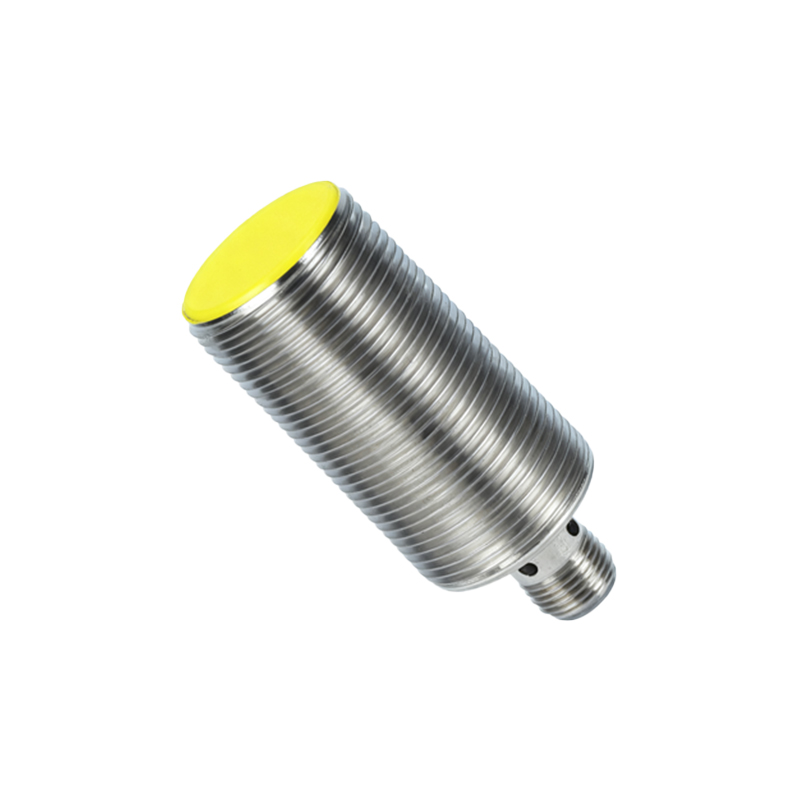
Magnetic proximity sensors are indispensable components in modern industrial automation. These non-contact devices detect the presence or absence of a magnetic field, typically generated by a permanent magnet. They are renowned for their robustness, reliability, and ability to function in harsh environments where dirt, dust, oil, and vibration are prevalent. Unlike other sensor types, they do not require physical contact with the target, leading to minimal wear and tear and extended operational life. Common applications include position sensing in cylinders, speed monitoring on rotating shafts, and end-of-travel detection on linear actuators. Understanding their operating principle—usually based on reed switches, Hall effect, or magnetoresistive technology—is crucial for selecting the right model for your specific industrial need.
Key Specifications to Consider Before Purchase
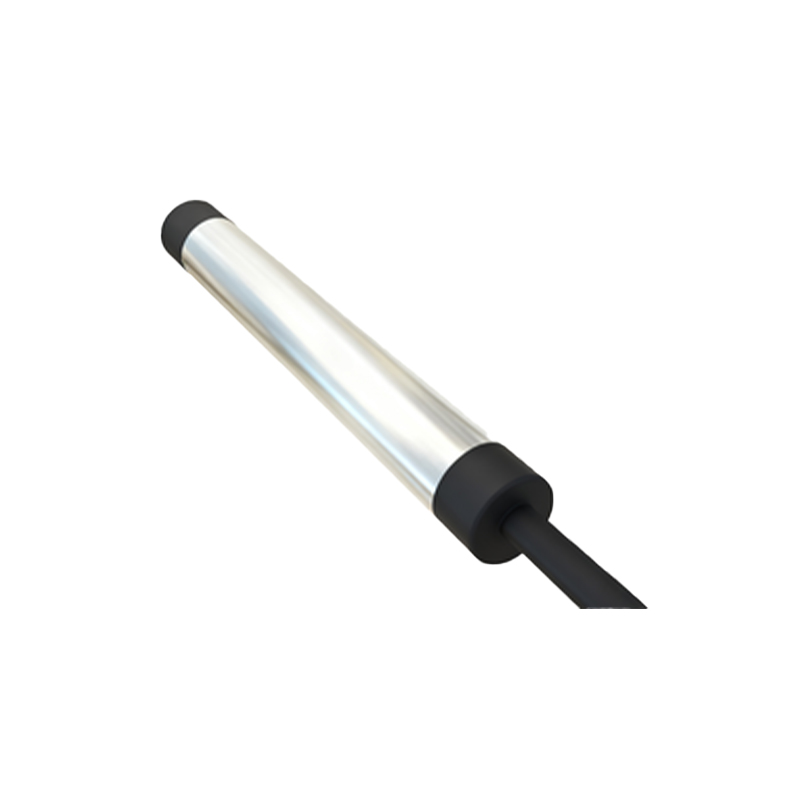
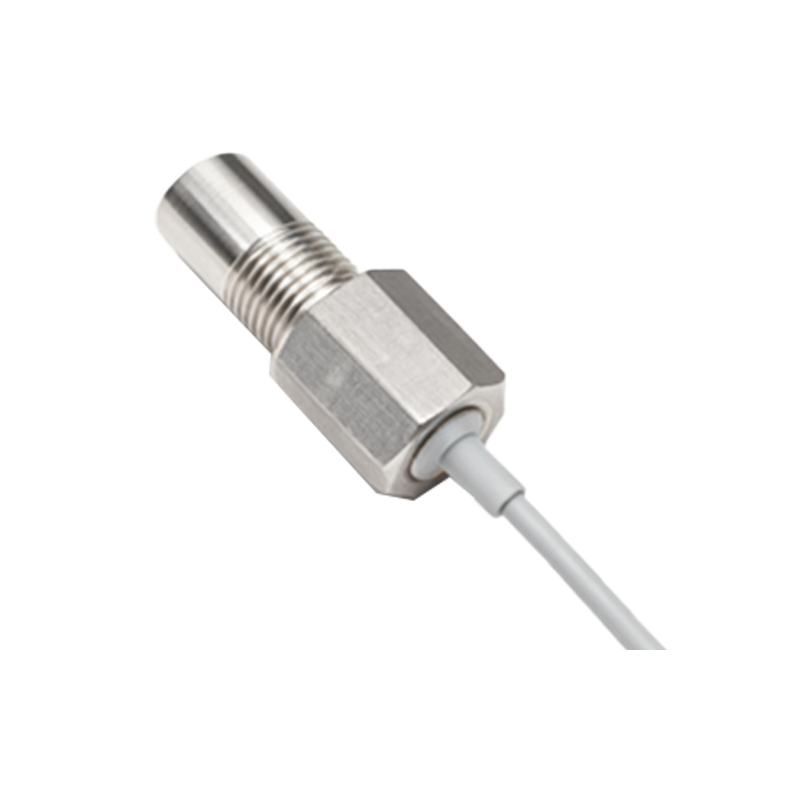
Before embarking on your purchasing journey, defining your application requirements is paramount. Key specifications include sensing distance, which is typically shorter than inductive sensors but highly stable. The type of output (PNP/NPN, NO/NC, analog, or IO-Link) must be compatible with your PLC or control system. Housing material, such as stainless steel or brass with various IP ratings (e.g., IP67, IP69K), determines environmental suitability. Operating voltage range, switching frequency, and temperature tolerance are also critical. Furthermore, consider the magnetic actuator's strength and size, as the sensor's performance is intrinsically linked to it. A clear list of these parameters will streamline your search and ensure you procure a sensor that integrates seamlessly into your system.
Primary Procurement Channels: Distributors and Catalogs
The most direct and reliable channel for purchasing industrial magnetic proximity sensors is through authorized distributors of major manufacturers. Companies like Siemens, Pepperl+Fuchs, Balluff, Omron, and ifm electronic maintain extensive global networks of technical distributors. These distributors provide not only the product but also crucial technical support, datasheets, and configuration advice. They often hold local stock for fast delivery. Industrial supply catalogs from mega-distributors like Digi-Key, Mouser, RS Components, and Grainger offer a vast online selection, detailed parametric search filters, and competitive pricing. Purchasing through these established channels guarantees access to genuine, warranty-backed products and up-to-date inventory information.
Online Marketplaces and E-commerce Platforms
For smaller quantities or specific replacement parts, online marketplaces have become a significant resource. Platforms like Amazon Business and eBay host numerous industrial suppliers and can be useful for standard sensor models. However, caution is advised. It is essential to verify the seller's authenticity and reputation to avoid counterfeit components. Specialized industrial B2B e-commerce platforms, such as those operated by the large distributors mentioned above, offer a more controlled environment tailored to professional buyers. These platforms often feature project lists, CAD model downloads, and volume pricing, blending the convenience of online shopping with the rigor of industrial procurement protocols.
Direct from Manufacturers and OEM Agreements
For large-scale projects, repetitive purchases, or highly customized sensor solutions, engaging directly with the manufacturer is often the best approach. Most leading sensor manufacturers have dedicated sales teams for handling OEM inquiries and large-volume contracts. This channel facilitates direct technical communication, allowing for product modifications, stringent quality control discussions, and negotiated pricing. Establishing a direct relationship can lead to better supply chain visibility, consistent product quality, and dedicated support for integration challenges. Manufacturers can also provide comprehensive application engineering support that distributors may not be equipped to offer for complex installations.
Evaluating Suppliers and Total Cost of Ownership
The decision on where to buy should not be based on unit price alone. A holistic evaluation of the supplier is necessary. Consider factors such as lead time consistency, technical support availability, return policies, and the ease of doing business. The Total Cost of Ownership (TCO) includes not just the purchase price but also costs related to downtime, installation, maintenance, and potential failures from subpar components. A reputable supplier who offers reliable products and support, even at a slightly higher initial cost, often provides a lower TCO by ensuring system uptime and longevity. Always request samples for testing in your actual application before committing to a bulk purchase.
Future Trends and Sourcing Considerations
The landscape for procuring industrial components is evolving. Trends like Industry 4.0 are driving demand for smart sensors with integrated diagnostics and communication protocols (e.g., IO-Link). When sourcing magnetic proximity sensors, consider future-proofing your investment by selecting sensors with these capabilities, even if not immediately required. Furthermore, global supply chain dynamics emphasize the importance of supplier reliability and multi-sourcing strategies. Building relationships with multiple approved vendors for critical components can mitigate risk. Staying informed about new product