Introduction to Photoelectric Sensor 1241
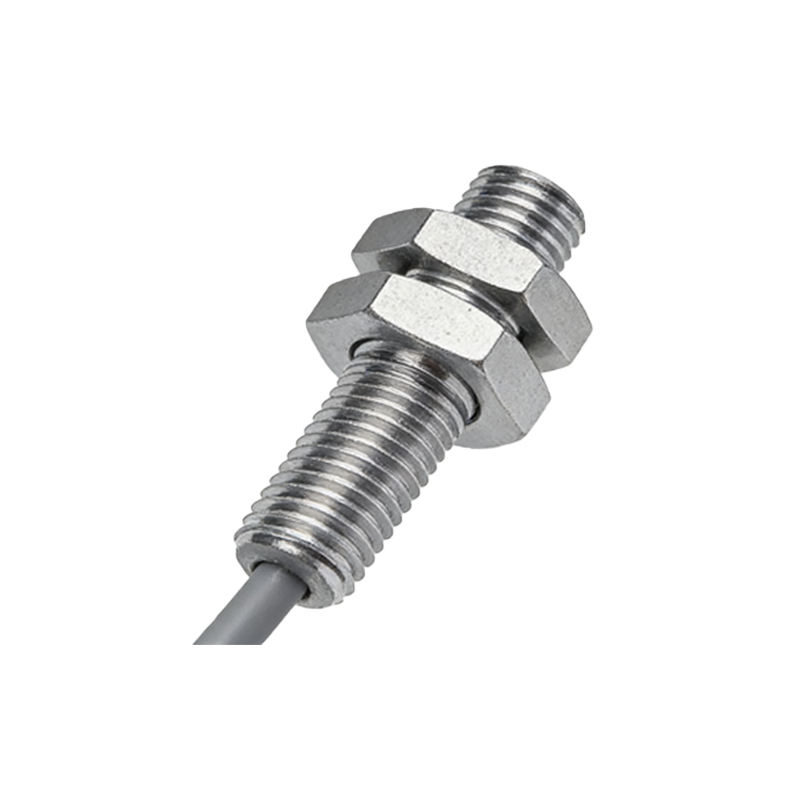
The Photoelectric Sensor 1241 represents a significant advancement in industrial automation and control systems. Designed for high-precision detection across diverse environments, this sensor utilizes modulated infrared light to ensure reliable operation even in challenging conditions such as dust, fog, or varying ambient light. Its robust construction and advanced optical design make it suitable for applications ranging from packaging and material handling to automotive assembly lines. The sensor's ability to detect objects regardless of surface color, texture, or material—thanks to its background suppression technology—sets it apart from conventional photoelectric sensors. Engineers and system integrators favor the 1241 for its consistency, durability, and ease of integration into existing PLC-based networks.
Key Technical Specifications
The Photoelectric Sensor 1241 operates on a supply voltage range of 10-30 V DC, ensuring compatibility with standard industrial power systems. It features a sensing distance of up to 300 mm for diffuse reflective models, while through-beam variants can achieve ranges exceeding 15 meters. The sensor's response time is exceptionally fast, typically under 1 ms, enabling high-speed production line applications without missing detection events. Its housing is rated IP67, providing protection against dust ingress and temporary immersion in water, which is crucial for washdown environments in food processing or pharmaceutical industries. Additionally, the 1241 includes a programmable output (NPN or PNP) and an LED indicator for status monitoring, facilitating quick troubleshooting and maintenance.
Operating Principles and Modes
At its core, the Photoelectric Sensor 1241 functions by emitting a beam of infrared light from its transmitter and analyzing the reflected signal received by its photodetector. It operates in three primary modes: diffuse reflective, retro-reflective, and through-beam. In diffuse mode, the sensor detects objects based on light reflected directly from the target, ideal for short-range applications. Retro-reflective mode uses a reflector to bounce light back, allowing for longer detection distances with a single sensor unit. Through-beam mode employs separate transmitter and receiver units, offering the highest accuracy and range for precise positioning tasks. The sensor's built-in microprocessor filters out ambient light interference, ensuring stable performance under fluctuating environmental conditions.
Installation and Configuration Guidelines
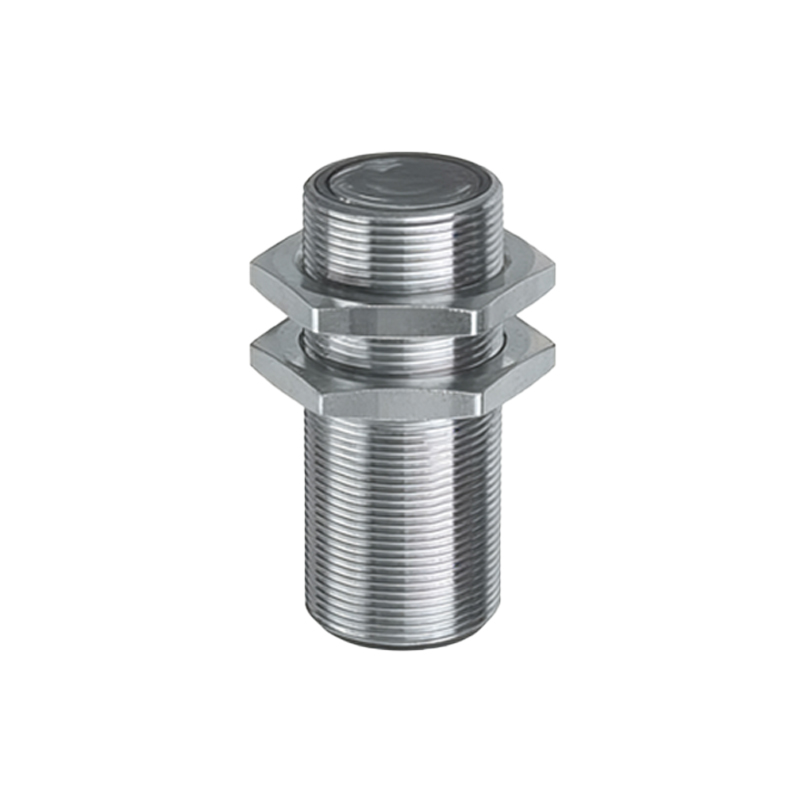
Proper installation is critical to maximizing the performance of the Photoelectric Sensor 1241. Mounting should be secure and vibration-resistant, with alignment carefully adjusted to avoid misdetection due to angular deviations. For through-beam setups, ensuring the transmitter and receiver are precisely opposite each other within the specified tolerance is essential. Configuration involves setting sensitivity thresholds via potentiometers or teach-in buttons, allowing customization for different object sizes and reflectivities. Wiring must adhere to industrial standards, with shielded cables recommended for long runs in electrically noisy environments. Regular calibration checks, especially after mechanical shocks or temperature extremes, help maintain accuracy over the sensor's operational lifespan.
Common Industrial Applications
The versatility of the Photoelectric Sensor 1241 makes it indispensable in numerous sectors. In manufacturing, it is used for part presence verification on conveyor belts, bottle cap detection in bottling plants, and edge guiding in web processing. Logistics and warehousing benefit from its ability to count packages, monitor pallet heights, and trigger sorting mechanisms. Automotive lines employ it for robot guidance, weld seam tracking, and component alignment. In packaging machinery, the sensor ensures correct fill levels, label positioning, and seal integrity checks. Its reliability in harsh conditions also makes it suitable for outdoor applications like vehicle detection in automated gates or container positioning at ports.
Maintenance and Troubleshooting Tips
To ensure long-term reliability, periodic maintenance of the Photoelectric Sensor 1241 is recommended. This includes cleaning the lens with a soft, lint-free cloth to prevent dust accumulation that could attenuate the light signal. Inspecting housing seals for integrity helps maintain the IP rating. Common issues like false triggers often stem from environmental factors—such as strong ambient light or reflective surfaces—which can be mitigated by adjusting sensitivity or using polarizing filters. If the sensor fails to detect objects, verify power supply stability, check for obstructions in the beam path, and confirm wiring connections. Most models include diagnostic LEDs that flash error codes, simplifying fault identification without external tools.
Future Trends and Innovations
The evolution of photoelectric sensing continues to integrate smarter features into devices like the 1241. Emerging trends include IO-Link connectivity for real-time data exchange and predictive maintenance capabilities, allowing sensors to report operational health and degradation trends to central control systems. Enhanced algorithms are improving discrimination between similar objects, while miniaturization enables installation in space-constrained applications. Energy-efficient designs reduce power consumption, aligning with sustainable manufacturing goals. As Industry 4.0 advances, the Photoelectric Sensor 1241 is expected to incorporate more embedded intelligence, supporting autonomous decision-making in fully digitized factories.