Introduction to Ex13EA Photoelectric Sensors
The Ex13EA series represents a cornerstone in industrial sensing technology, designed for reliable object detection across diverse and demanding environments. These photoelectric sensors utilize advanced optical principles to detect the presence, absence, or position of objects without physical contact. Engineered with robustness in mind, the Ex13EA family is built to withstand common industrial challenges such as dust, moisture, and vibration, ensuring consistent performance in automation systems, packaging lines, and material handling applications. Their versatility stems from multiple sensing modes, including through-beam, retro-reflective, and diffuse reflective, allowing engineers to select the optimal configuration for specific detection tasks, from transparent glass bottles to opaque metal parts.
Core Operating Principles and Technology
At the heart of every Ex13EA sensor lies a precise optical system comprising an emitter and a receiver. The emitter projects a focused beam of light—typically infrared, visible red, or laser—toward a target. The receiver then analyzes the light that returns. In through-beam mode, the sensor detects an object when it interrupts the beam between separate emitter and receiver units. Retro-reflective mode uses a single housing containing both elements, relying on a reflector to bounce the beam back; detection occurs when an object blocks this reflected beam. Diffuse reflective sensing, also with a single unit, detects light scattered directly off the target itself. The Ex13EA incorporates sophisticated circuitry to filter ambient light and electronic noise, providing a stable, high-speed switching signal critical for precision automation timing and control sequences.
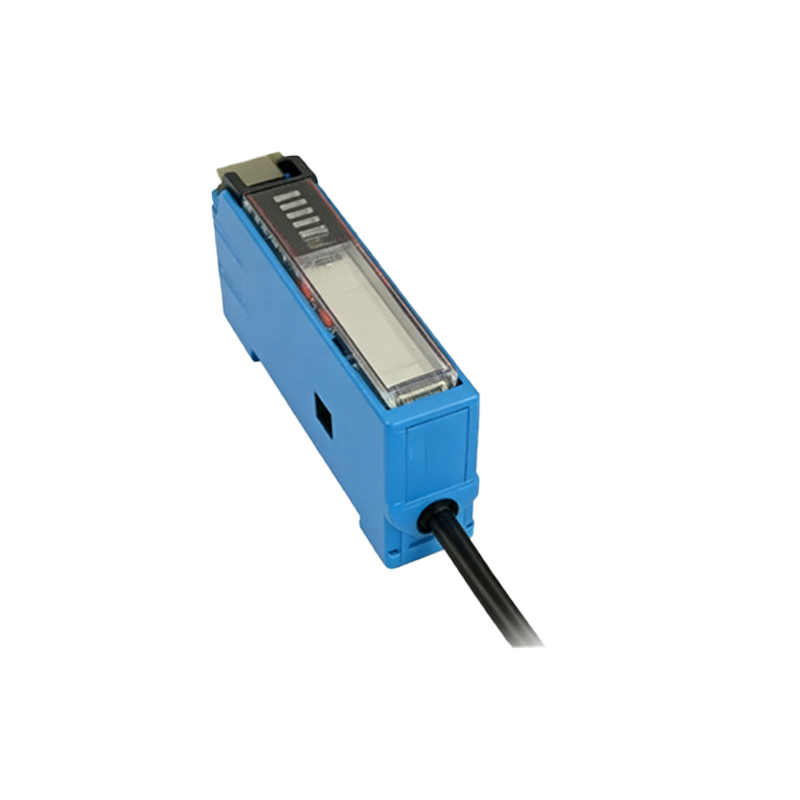
Key Features and Technical Specifications
The Ex13EA series is distinguished by a set of features that enhance its applicability and durability. Key specifications often include a sensing range tailored to the model, with some variants capable of detecting objects several meters away. Response times are exceptionally fast, typically in the millisecond range, enabling integration into high-speed production processes. These sensors commonly offer both light-on and dark-on operating modes, configurable via a simple switch or teach-in function. Housing is usually constructed from high-grade plastics or metals, providing ingress protection ratings like IP67 or IP69K, which guarantee resistance to water and dust ingress. Electrical connections are streamlined with industry-standard M8 or M12 quick-disconnect connectors, facilitating easy installation and maintenance. Many models also feature a visible LED beam spot for simplified alignment and status indicators for immediate operational feedback.
Application Scenarios in Modern Industry
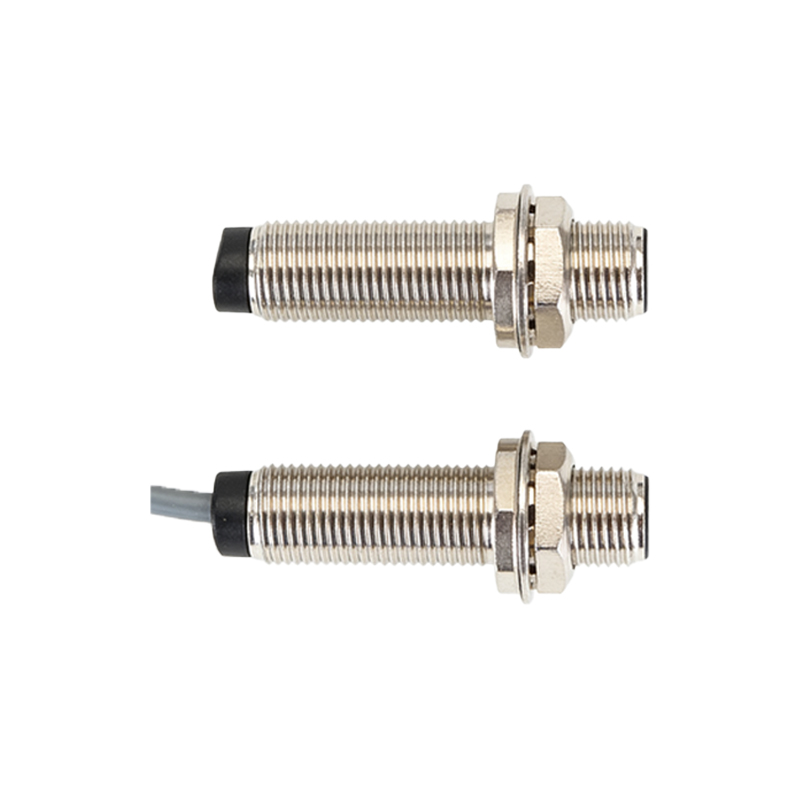
Ex13EA photoelectric sensors find extensive use in a multitude of industrial sectors. In automotive manufacturing, they are deployed for precise part positioning on assembly robots and for verifying component presence in engine blocks. Within the packaging industry, these sensors count products on conveyor belts, detect fill levels in containers, and ensure correct label placement on boxes. In food and beverage processing, their robust sealing allows for wash-down environments, where they monitor bottle caps, control packaging film, and detect jams in production lines. Logistics and warehousing systems utilize Ex13EA sensors for pallet positioning, parcel dimensioning, and automated guided vehicle (AGV) navigation by detecting reflective tapes on floors. Their reliability in detecting varied materials, including translucent, shiny, or dark surfaces, makes them indispensable for quality control and process verification.
Installation, Alignment, and Calibration Best Practices
Proper installation is paramount for optimal sensor performance. Mounting the Ex13EA securely on a stable surface minimizes false triggers caused by vibration or shock. For through-beam sensors, precise alignment of the emitter and receiver is critical; using the built-in alignment aids or external alignment tools ensures the beam is perfectly centered. In retro-reflective applications, the reflector must be positioned squarely to the sensor face, and care should be taken to avoid interference from highly reflective background objects. Diffuse sensors require consideration of the target's color, material, and surface texture, as these affect reflectivity; often, a teach-in function is used to calibrate the sensor to the specific target under actual operating conditions. Environmental factors like heavy dust, steam, or intense ambient light may necessitate the use of special filters or protective housings to maintain detection reliability.
Troubleshooting Common Operational Issues
Even with robust design, sensors may encounter issues. Frequent problems include failure to detect objects, intermittent operation, or constant output activation. Initial troubleshooting should involve verifying power supply voltage and polarity, as incorrect electrical connections are a common culprit. Checking for physical obstructions in the optical path, accumulated dirt on the lens, or misalignment due to mechanical drift is essential. For diffuse sensors, changes in the target material or color can cause detection failures, requiring re-calibration. Electrical noise from nearby motors or frequency converters can sometimes interfere with the sensor's signal; relocating cables or using shielded cables often resolves this. Consulting the sensor's status LED indicators provides immediate diagnostic clues, such as steady-on for power or flashing for alignment errors, guiding maintenance personnel to the root cause efficiently.
Advantages Over Alternative Sensing Technologies
Compared to other non-contact sensors like inductive or capacitive proximity switches, the Ex13EA photoelectric sensor offers distinct benefits. Its primary advantage is the ability to detect a vast range of materials, regardless of their electrical or magnetic properties—inductive sensors only detect metals, and capacitive sensors are influenced by material density and moisture. Photoelectric sensors also provide significantly longer sensing distances, enabling detection from a safer, non-intrusive range. They excel in speed, with faster response times suitable for rapid production cycles. While ultrasonic sensors can also detect various materials and are unaffected by color, photoelectric sensors generally offer higher precision and are less susceptible to interference from temperature gradients or air turbulence. The Ex13EA's combination of versatility, range, and speed makes it a preferred choice for complex detection scenarios in automated systems.
Future Trends and Integration with Industry 4.0
The evolution of the Ex13EA series aligns with the broader trends of digitalization and smart manufacturing. Future iterations are expected to incorporate enhanced connectivity features, such as IO-Link communication, which allows for bidirectional data exchange beyond simple switching signals. This enables remote configuration, real-time monitoring of sensor health (predictive maintenance), and detailed diagnostics directly into a plant's control system. Integration with Industrial Internet of Things (IIoT) platforms will allow sensors to contribute data for analytics, optimizing overall equipment effectiveness (OEE). Advances in optical technology may lead to sensors with even smaller form factors, higher resistance to challenging environmental conditions, and intelligent functions like background suppression for more reliable detection in cluttered spaces. As Industry 4.0 progresses, the Ex13EA photoelectric sensor will continue to be a critical data acquisition point in increasingly intelligent and interconnected automation networks.