Introduction to DWS Photoelectric Sensors
DWS photoelectric sensors, standing for Diffuse with Background Suppression, represent a significant advancement in industrial sensing technology. These sensors operate by emitting a beam of light, typically infrared or visible red, and detecting the reflection from a target object. Unlike standard diffuse sensors, DWS sensors incorporate a sophisticated optical system that allows them to ignore reflections from surfaces beyond a preset sensing distance. This is achieved through triangulation principles, where the receiver lens is positioned at an angle to the emitter. The sensor is calibrated to only accept light reflected from objects within a specific, adjustable range, effectively "suppressing" the background. This capability makes them indispensable in applications where the target object must be detected against a varying or potentially interfering background, such as on conveyor belts with changing product colors or in packaging lines with reflective surfaces.
Core Operating Principles and Technology
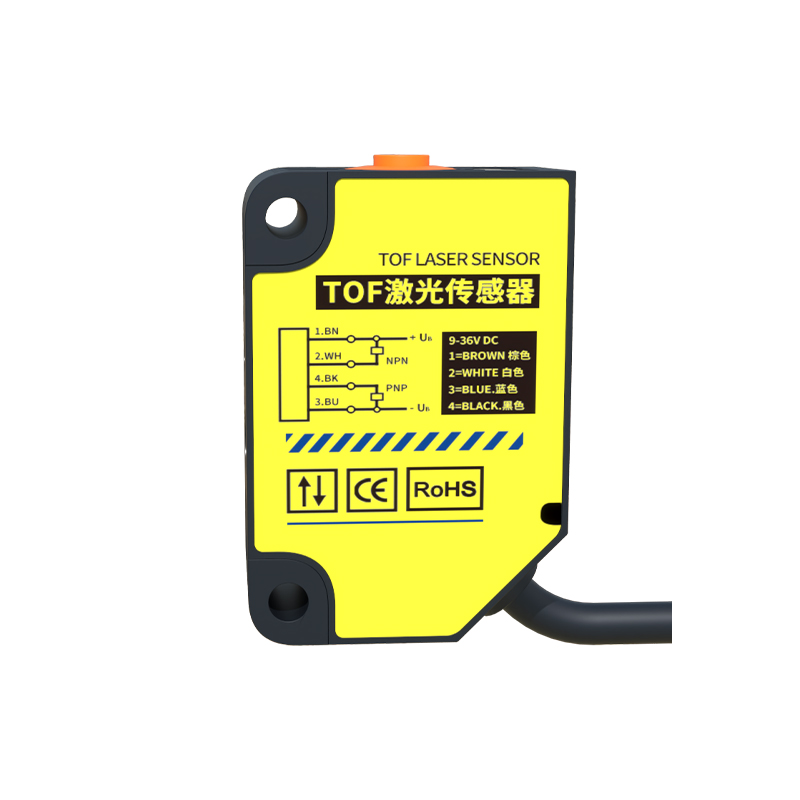
The fundamental operation of a DWS sensor hinges on precise optical triangulation. The sensor's emitter projects a focused light spot onto the target. The reflected light is then captured by a position-sensitive receiver element, often a CCD or PSD array. The key parameter is the angle at which the reflected light returns. Light from an object at the exact calibrated sensing distance hits the center of the receiver. Light from objects farther away (the background) strikes the receiver at a different point and is electronically ignored. The suppression range, or the distance beyond which objects are not detected, is a critical setting, often adjustable via a potentiometer or teach-in button. This technology enables reliable detection regardless of the target's color, material finish (matte or glossy), or the presence of a distant, reflective background, solving common challenges faced by standard photoelectric sensors.
Key Advantages in Industrial Environments
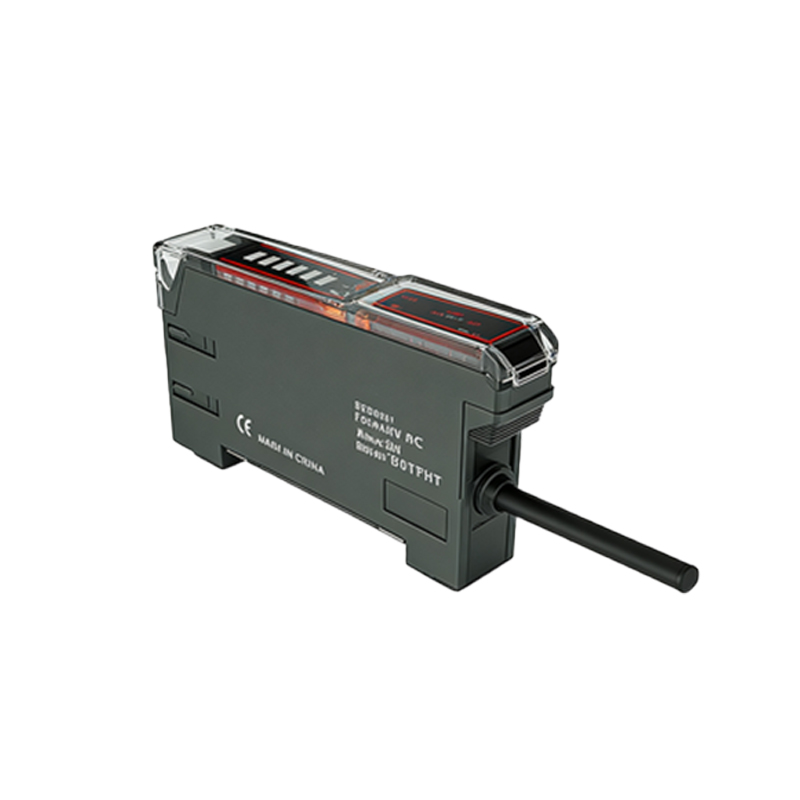
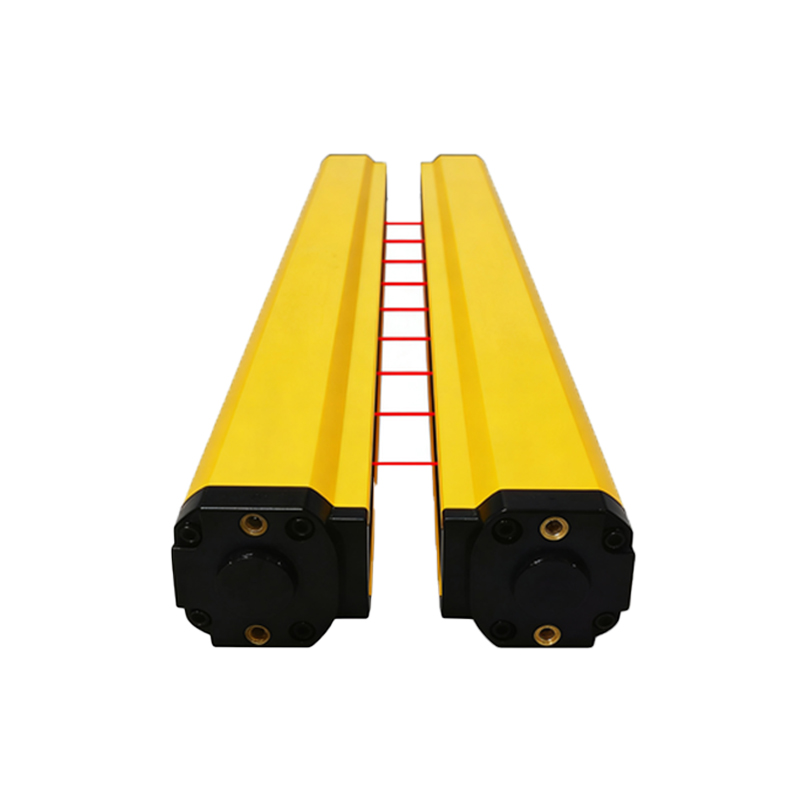
DWS photoelectric sensors offer several distinct advantages that enhance automation reliability. First is their exceptional immunity to background interference. They can reliably detect a dark object on a dark conveyor belt or a shiny bottle on a stainless-steel surface, minimizing false triggers. Second, they provide consistent detection independent of the target's color or reflectivity. A DWS sensor can be set to detect objects from black rubber to white plastic with the same sensitivity, simplifying setup and inventory. Third, the adjustable sensing distance and background suppression point offer great flexibility for diverse applications. Finally, many modern DWS sensors feature robust housings (often IP67 or IP69K rated), making them resistant to dust, water jets, and mechanical impacts, ensuring longevity in harsh factory conditions.
Typical Applications and Use Cases
The application spectrum for DWS sensors is broad across manufacturing and logistics. A primary use is in packaging and bottling lines, where they accurately detect transparent, translucent, or highly reflective containers on moving belts, regardless of the conveyor color. In automotive assembly, they are used for part presence verification, such as detecting black tires against a dark chassis. In palletizing and material handling, they ensure the correct height of stacked goods by ignoring the pallet or floor in the background. They are also crucial in electronic assembly for detecting PCBs on carriers and in woodworking for counting boards of varying shades. Any scenario requiring precise object detection amidst a complex or changing background is an ideal candidate for a DWS sensor.
Selection Criteria and Installation Best Practices
Selecting the right DWS sensor requires careful consideration of several parameters. The most critical is the required sensing range and the necessary suppression margin—the distance between the target and the background that must be ignored. The size of the target and the required beam spot size are also important; smaller targets need sensors with a finer, more focused beam. Environmental factors like ambient light, dust, steam, or temperature extremes dictate the need for specific housing materials and protection ratings. During installation, precise alignment is less critical than with through-beam sensors, but best practices include mounting the sensor stably to minimize vibration, ensuring the background is outside the suppression range, and avoiding angled installation on highly reflective targets which can scatter light. Regular cleaning of the lens is essential to maintain optimal performance.
Integration with Control Systems and Future Trends
Modern DWS sensors are designed for seamless integration into industrial control ecosystems. They typically offer multiple output options, including NPN/PNP discrete signals, analog current (4-20 mA) or voltage (0-10 V) outputs for distance information, and IO-Link digital communication. IO-Link enabled sensors provide valuable diagnostic data, parameter setting via the controller, and condition monitoring, paving the way for predictive maintenance. Looking forward, trends include miniaturization for space-constrained applications, enhanced precision for micron-level positioning tasks, and the integration of AI-assisted setup features that automatically optimize parameters based on the detected environment. The convergence of robust optical sensing with smart industrial communication protocols ensures that DWS photoelectric sensors will remain a cornerstone of flexible and intelligent automation.