Introduction to Proximity Sensor Pricing Factors
The market price for a 2-meter proximity sensor is not a fixed figure but a variable determined by a complex interplay of technical specifications, market forces, and application requirements. A 2M sensor, typically referring to a sensing range of up to 2 meters, represents the higher end of standard inductive, capacitive, or ultrasonic proximity sensors. The cost is influenced by core factors such as the sensing technology employed, the housing material and ingress protection (IP) rating, output configuration (PNP/NPN, analog, IO-Link), and the brand's market positioning. Understanding these elements is crucial for making an informed procurement decision that balances performance with budget.
Core Technology and Its Impact on Cost
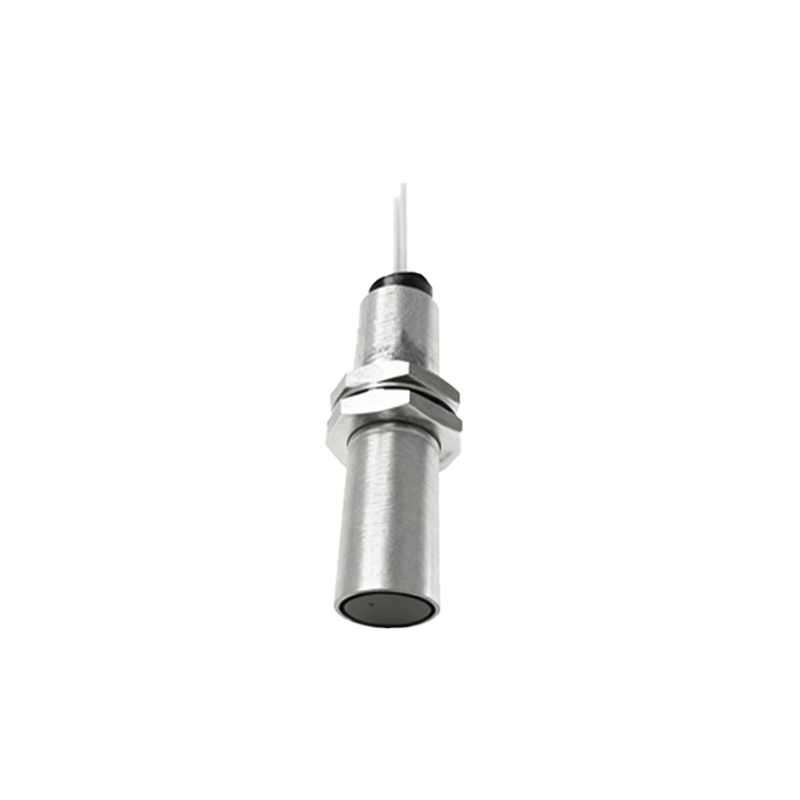
The underlying sensing technology is the primary cost driver. Inductive sensors, detecting metallic objects, are generally the most cost-effective for standard 2M range applications in factory automation. Capacitive sensors, capable of detecting non-metallic materials, often come at a premium due to their more complex circuitry. Ultrasonic sensors, offering the most reliable long-range detection for various materials, typically command the highest price point within the 2M category. Furthermore, sensors with advanced features like background suppression, precise analog output (4-20mA, 0-10V), or integrated IO-Link communication for Industry 4.0 connectivity will significantly increase the unit price compared to basic binary switching models.
Material Quality and Environmental Ratings
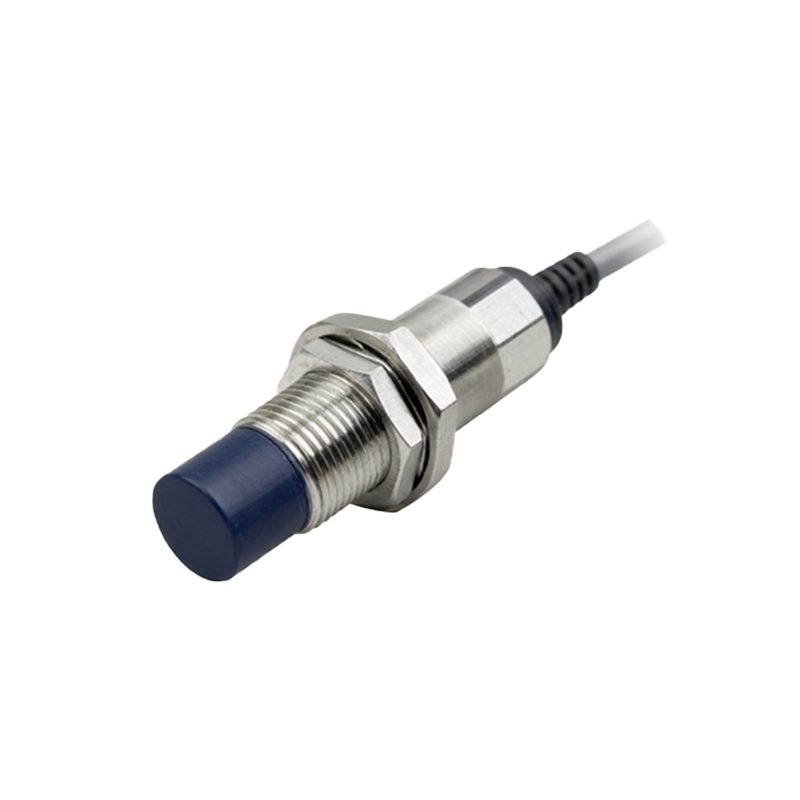
Durability directly correlates with cost. A 2M proximity sensor designed for harsh environments—featuring stainless-steel housings, high-grade PBT sensing faces, and robust cable or connector options—will be priced higher than a standard plastic-housed unit. The IP (Ingress Protection) rating is a key indicator. An IP67-rated sensor, suitable for withstanding temporary immersion and dust exposure, is more expensive than an IP65-rated version. For applications involving washdowns, extreme temperatures, or corrosive chemicals, specialized models with IP68, IP69K, or specific chemical resistances see a substantial price increase, reflecting the enhanced material and manufacturing processes required.
Brand Value, Volume, and Supply Chain Considerations
Established global brands like Siemens, Pepperl+Fuchs, Omron, and Balluff often price their 2M sensors at a premium, justified by proven reliability, extensive R&D, global warranty, and technical support. Conversely, competitive offerings from other reputable manufacturers or specialized suppliers may provide similar specifications at a lower cost. Purchase volume remains a critical factor; OEMs procuring thousands of units annually secure far better per-unit pricing than a maintenance team buying a single replacement. Finally, global supply chain dynamics, raw material costs, and regional tariffs can cause price fluctuations, making some brands or technologies more cost-competitive in certain markets at different times.
Analyzing the Price Range for 2M Sensors
Given these variables, providing a single price is impractical. However, a general market analysis reveals a broad spectrum. A basic, inductive 2M proximity sensor with a standard housing and PNP output might range from $50 to $150 USD per unit. A capacitive or ultrasonic sensor with similar range starts from approximately $100 and can exceed $300. High-performance models with stainless steel housings, analog outputs, and high IP ratings from leading brands can easily cost between $200 and $500 or more. It is always recommended to obtain detailed quotations from multiple suppliers, specifying the exact required model number or a complete technical datasheet for accurate comparison.
Strategic Procurement and Total Cost of Ownership
Focusing solely on the initial purchase price can be a costly mistake. The Total Cost of Ownership (TCO) encompasses installation, calibration, maintenance, downtime, and replacement costs. A slightly more expensive sensor from a reliable brand with a longer mean time between failures (MTBF) can prevent costly production stoppages. Ensuring the sensor is correctly specified for the application—avoiding over-specification where a simpler model suffices—is the most effective way to optimize expenditure. Building a relationship with a knowledgeable distributor can also provide value through technical assistance, inventory management, and better pricing agreements.
Future Trends Influencing Sensor Pricing
The evolution of sensor technology continues to impact pricing. The integration of smart features like IO-Link, which enables parameter setting, condition monitoring, and predictive maintenance data, is becoming standard. While this adds to the initial cost, it can lower TCO through reduced downtime and easier integration. Miniaturization of components and advancements in manufacturing may gradually reduce costs for standard models. However, the demand for sensors with higher intelligence, robustness, and connectivity for IIoT (