Introduction to Proximity Sensor Amplifiers
Proximity sensor amplifiers are critical components in industrial automation systems, serving as the interface between sensing elements and control units. These devices amplify weak signals generated by proximity sensors, such as inductive, capacitive, or ultrasonic types, converting them into robust, standardized outputs suitable for PLCs (Programmable Logic Controllers) or other industrial controllers. By enhancing signal integrity and noise immunity, amplifiers ensure reliable detection of objects in harsh environments, including those with high temperatures, vibrations, or electromagnetic interference. Their role extends beyond mere amplification; they often provide adjustable sensing ranges, output delay functions, and diagnostic indicators, making them indispensable for precision-driven applications like assembly lines, material handling, and safety systems. Understanding their operation is key to optimizing sensor performance and minimizing downtime in manufacturing processes.
Key Features and Selection Criteria
When selecting a proximity sensor amplifier, engineers must consider several technical parameters to match specific application needs. Key features include input compatibility (e.g., DC or AC voltage ranges), output types (such as NPN/PNP transistor, relay, or analog signals), and response time, which can affect system speed. Adjustable sensitivity allows fine-tuning for different materials or distances, while built-in diagnostics, like LED indicators for power or output status, aid in troubleshooting. Environmental ratings, such as IP67 for dust and water resistance, are crucial for outdoor or washdown settings. Additionally, amplifiers with short-circuit protection and reverse polarity safeguards enhance durability. For instance, in automotive welding lines, amplifiers with fast response and high noise immunity prevent false triggers from sparks, ensuring consistent operation. Always refer to datasheets to verify compatibility with sensor models and load requirements.
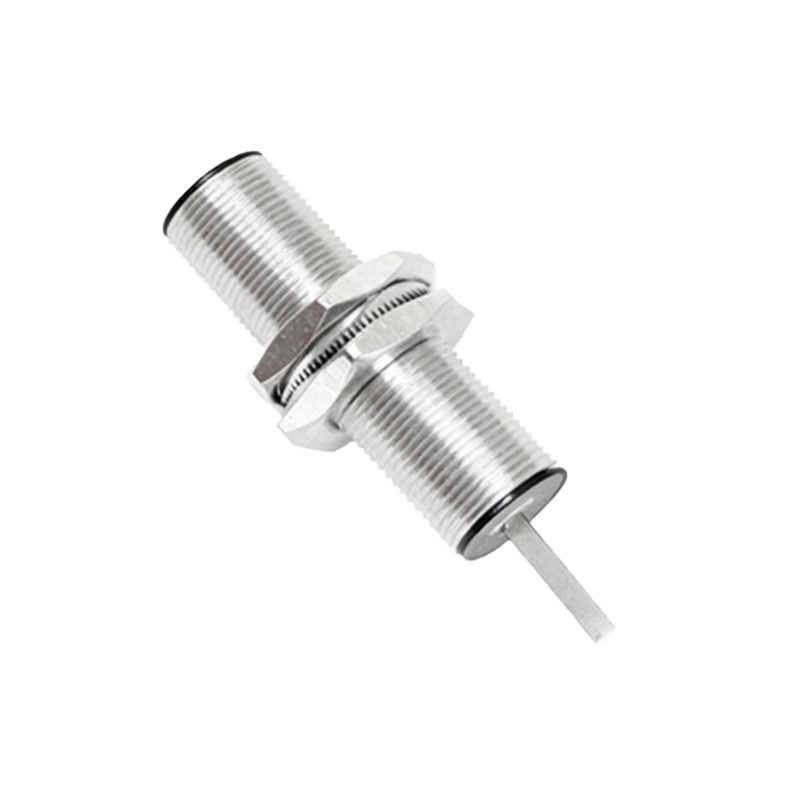
Installation and Wiring Best Practices
Proper installation and wiring are vital for maximizing amplifier performance and longevity. Begin by mounting the amplifier in a location free from excessive heat, moisture, or direct mechanical stress, using DIN rails or screw fittings as per manufacturer guidelines. Ensure power supply voltages align with specifications—common ranges include 12-24V DC or 100-240V AC—to prevent damage. Wiring should follow color-coded standards: typically, brown for positive, blue for negative, and black for output signals. Shielded cables are recommended for long runs to minimize electromagnetic interference, with grounding points connected to earth for safety. Avoid routing wires near high-voltage lines or motors to reduce noise. After connections, test the system by placing a target within the sensor’s range and verifying output activation via indicators. Regular inspections for loose terminals or corrosion can prevent unexpected failures.
Configuration and Calibration Techniques
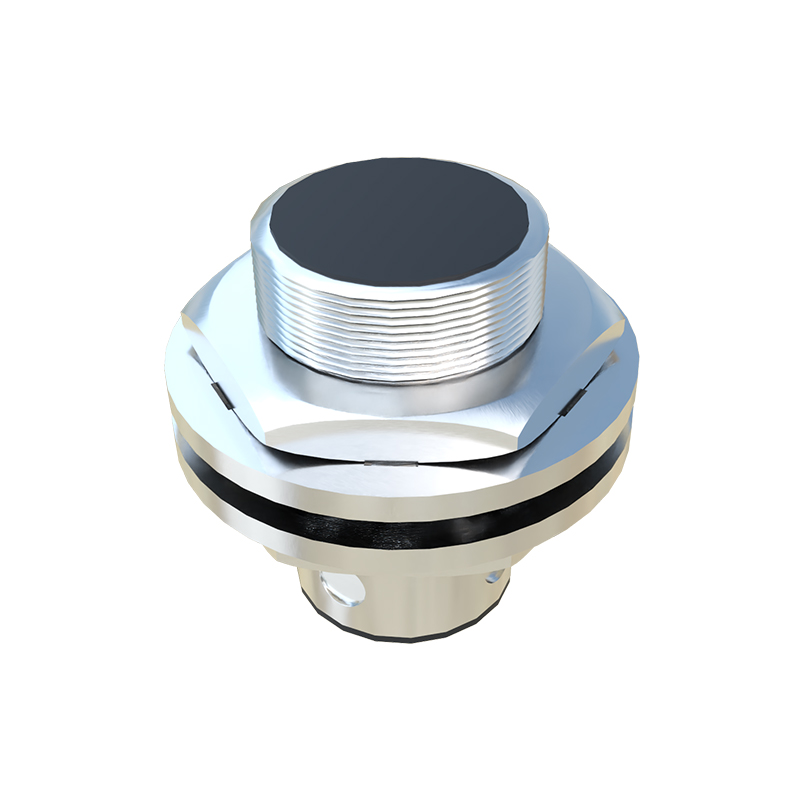
Configuring a proximity sensor amplifier involves setting parameters like sensing distance, hysteresis, and output delay to suit operational demands. Most amplifiers feature potentiometers or digital interfaces for adjustments; for example, turning a sensitivity knob can extend or reduce detection range, useful for ignoring background objects. Hysteresis settings prevent output chattering near threshold points by adding a buffer zone. Time-based functions, such as on-delay or off-delay, allow control over output timing—essential in conveyor systems where objects must be tracked sequentially. Calibration should be performed with actual target materials under normal conditions, using a multimeter to check output consistency. In food packaging, amplifiers might be calibrated to detect transparent films by adjusting capacitive sensitivity. Document settings for future reference, and utilize any teach-in functions for quick setup.
Common Troubleshooting and Maintenance
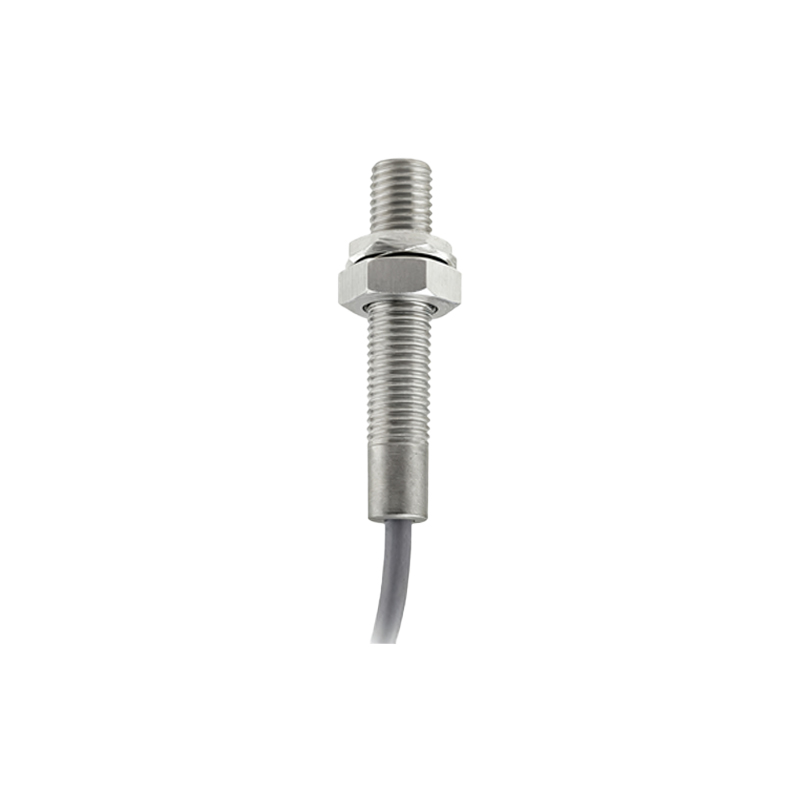
Despite robust design, amplifiers can encounter issues like false triggering, no output, or unstable signals. Start troubleshooting by checking power supply stability and wiring integrity; a voltmeter can confirm voltage levels within tolerance. If the amplifier fails to respond, inspect sensor alignment and target presence—debris or misalignment often causes detection failures. Environmental factors, such as temperature extremes or chemical exposure, may degrade components; ensure enclosures are sealed. For noise-related problems, verify grounding and use ferrite cores on cables. Regular maintenance includes cleaning lenses or sensing faces, tightening connections, and updating firmware if applicable. In metal stamping plants, amplifiers might accumulate metallic dust, requiring periodic blow-offs. Keep spare units on hand to minimize downtime, and consult manufacturer manuals for error code interpretations.
Applications in Modern Industry
Proximity sensor amplifiers find diverse applications across sectors, enhancing efficiency and safety. In robotics, they enable precise object positioning for pick-and-place tasks, with amplifiers providing fast analog signals for real-time control. Automotive manufacturing relies on them for part verification on assembly lines, where amplifiers with IO-Link communication support data logging for predictive maintenance. Packaging machinery uses capacitive amplifiers to detect non-metallic materials like plastics, adjusting outputs to trigger fillers or sealers. In hazardous areas, intrinsically