In the world of automation and smart technology, proximity sensors play a crucial role in detecting the presence or absence of objects without physical contact. Among these, blue proximity sensors have gained attention for their unique characteristics and applications. Unlike traditional sensors that may use infrared or ultrasonic methods, blue proximity sensors typically utilize blue light wavelengths, often in the form of laser or LED-based systems. This specific wavelength offers distinct advantages in certain environments, making them a valuable tool in modern industrial and consumer settings.
The fundamental principle behind blue proximity sensors involves emitting a beam of blue light and measuring the reflection from a target object. When an object enters the sensor's detection range, the light bounces back to a receiver within the device. The sensor then calculates the distance based on the time it takes for the light to return or the intensity of the reflected signal. Blue light, with its shorter wavelength compared to red or infrared light, tends to scatter less in certain media and can provide higher precision in detection. This makes it particularly useful in applications where fine details or small objects need to be identified accurately.
One of the key benefits of blue proximity sensors is their performance in challenging conditions. For instance, in environments with high levels of ambient infrared light—such as near machinery or outdoor settings—infrared sensors might experience interference. Blue light sensors, however, are less affected by such noise, leading to more reliable readings. Additionally, blue light can be effective in detecting transparent or shiny objects, like glass or metallic surfaces, which might be difficult for other sensor types to handle. This capability expands their use in manufacturing lines, where items like bottles, windows, or polished components are common.
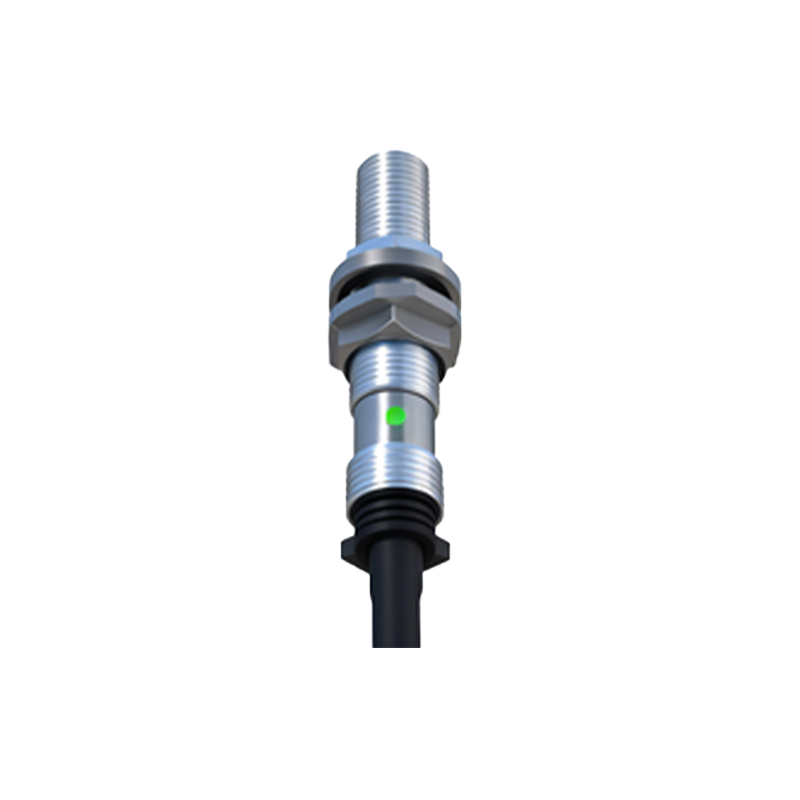
In industrial automation, blue proximity sensors are often deployed for quality control and positioning tasks. On assembly lines, they can verify the presence of components, measure gaps, or align parts with high accuracy. For example, in electronics manufacturing, these sensors help ensure that tiny connectors or circuits are properly placed before soldering. Their precision also supports robotics, enabling machines to navigate or handle objects without collision. Beyond factories, blue proximity sensors find roles in automotive systems, such as parking assistance or obstacle detection, where they contribute to safety and convenience.
Consumer electronics have also embraced blue proximity technology. In smartphones and tablets, these sensors can manage screen behavior—turning off the display during calls to save power or activating features with hand gestures. Some advanced devices use them for facial recognition or augmented reality applications, leveraging the accuracy of blue light to map surfaces or track movements. Home automation systems might incorporate blue proximity sensors for security, turning lights on when someone approaches or monitoring entrances.
When selecting a blue proximity sensor, factors like detection range, response time, and environmental durability should be considered. Most sensors offer adjustable settings to tailor sensitivity for specific needs. It's important to note that while blue light sensors excel in many areas, they may have limitations in dusty or foggy conditions where light scattering increases. Regular maintenance, such as cleaning lenses, helps maintain optimal performance.
Looking ahead, advancements in blue proximity sensor technology continue to emerge. Innovations in miniaturization and energy efficiency are making them more accessible for diverse applications, from medical devices to smart agriculture. As industries seek higher precision and reliability, the adoption of blue light-based sensing is likely to grow, driving further improvements in automation and interactive systems.
Overall, blue proximity sensors represent a specialized yet impactful tool in sensing technology. By harnessing the properties of blue light, they address unique challenges and enhance efficiency across various fields. Whether in a factory, vehicle, or handheld gadget, these sensors quietly enable smarter, safer, and more responsive operations.