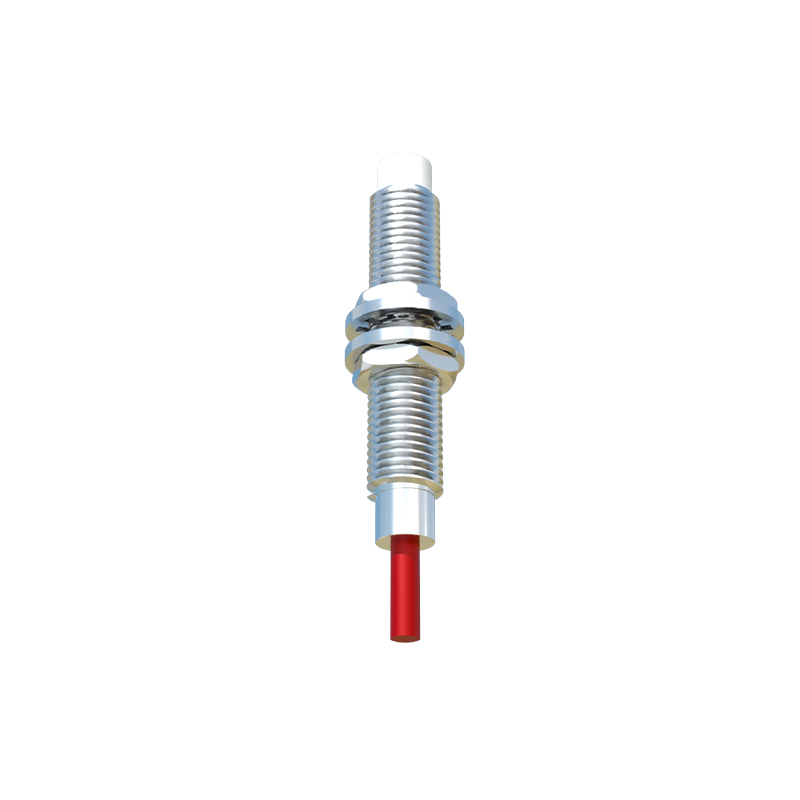
In today's fast-paced industrial landscape, the demand for precision and reliability in automation systems has never been higher. Proximity sensors play a crucial role in this ecosystem, enabling machines to detect the presence or absence of objects without physical contact. While off-the-shelf sensors are widely available, they often fall short when faced with unique operational challenges. This is where custom proximity sensor solutions step in, offering tailored performance that aligns perfectly with specific application requirements.
Customization begins with a thorough analysis of the operational environment. Factors such as temperature extremes, exposure to chemicals, vibration levels, and electromagnetic interference must be considered. For instance, in automotive manufacturing, sensors may need to withstand high temperatures and oil splashes, while in food processing, they require materials compliant with hygiene standards. By adapting housing materials, sealing techniques, and internal components, custom sensors ensure durability and consistent performance in harsh conditions.
Another critical aspect is sensing range and accuracy. Standard sensors might not provide the exact detection distance needed for specialized machinery. Custom designs allow for adjustments in coil configurations, oscillator circuits, and signal processing algorithms to achieve precise sensing ranges—from a few millimeters to several meters. This flexibility is vital in applications like robotic assembly lines, where minute variations in object positioning can impact overall efficiency.
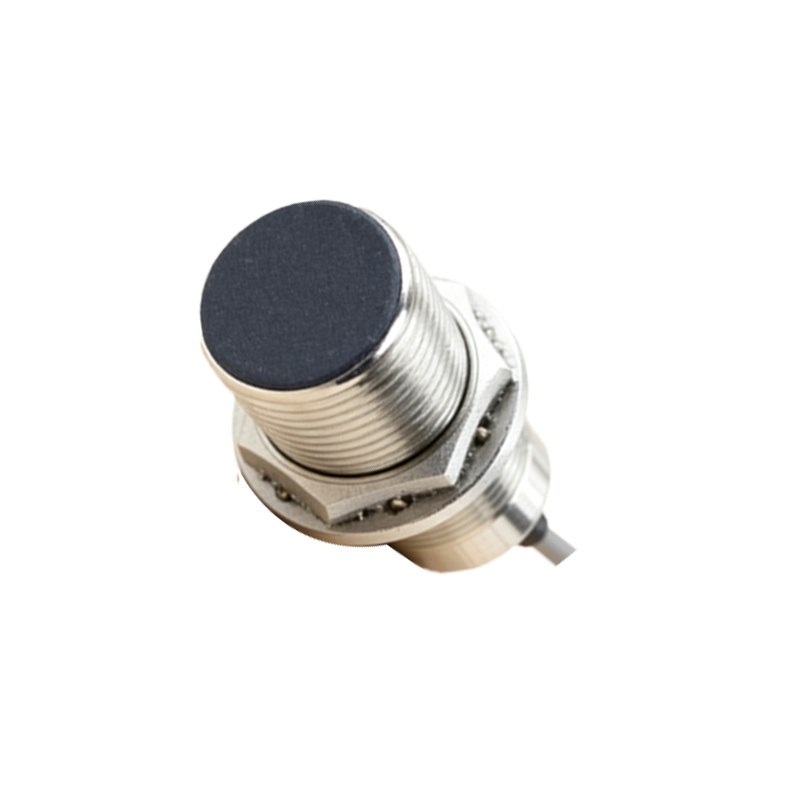
Output configuration is also a key consideration. Depending on the control system in use, sensors may need analog outputs (e.g., 4-20 mA or 0-10 V), digital signals (PNP/NPN), or even IO-Link communication for advanced diagnostics. Custom solutions integrate the required interface seamlessly, reducing compatibility issues and simplifying installation. Moreover, form factor modifications—such as compact designs for space-constrained areas or elongated shapes for deep mounting—enhance adaptability without compromising functionality.
Power supply requirements vary across regions and industries. Custom sensors can be engineered to operate on specific voltage levels (e.g., 12V DC, 24V DC, or 110V AC) while maintaining low energy consumption. This not only aligns with local electrical standards but also contributes to sustainable operations by minimizing waste heat generation.
The development process for custom proximity sensors involves close collaboration between clients and engineering teams. Prototyping and rigorous testing—including life cycle assessments, environmental simulations, and field trials—ensure that the final product meets all specifications. This iterative approach guarantees reliability, reducing downtime and maintenance costs in the long run.
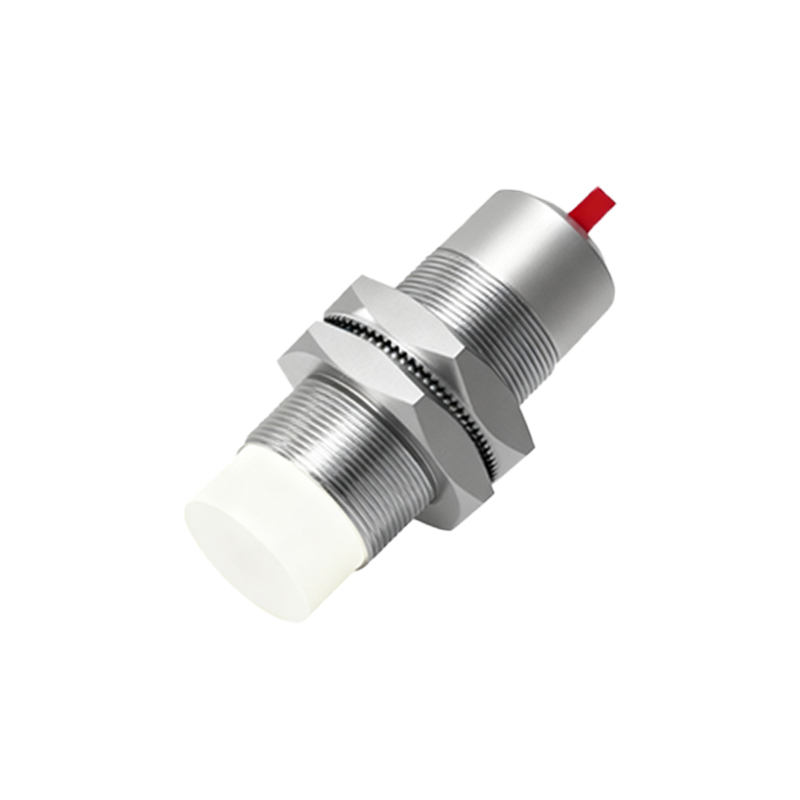
From packaging machinery that detects transparent films to mining equipment resistant to dust and shocks, custom proximity sensors empower innovation across sectors. They bridge the gap between generic technology and real-world needs, driving efficiency, safety, and productivity. As industries evolve toward smarter automation, the ability to tailor sensing solutions will remain a cornerstone of operational excellence.
Investing in custom proximity sensors is not merely about purchasing a component; it is about crafting a tool that integrates flawlessly into your systems, delivering unmatched performance and longevity. By focusing on precise requirements, businesses can overcome limitations, optimize processes, and stay ahead in competitive markets.