Introduction to U-Shaped Slot Photoelectric Sensors
U-shaped slot photoelectric sensors, often referred to as through-beam sensors in a compact form, are pivotal components in industrial automation. These sensors consist of a U-shaped housing that integrates both an emitter and a receiver facing each other across a defined gap. The primary function is to detect objects passing through this slot by interrupting the light beam. Images of these sensors typically showcase their robust, molded plastic or metal housing, designed to withstand harsh industrial environments. The visual representation highlights key features such as the sensing slot width, mounting holes, and LED indicators, which are crucial for engineers during selection and installation. High-quality images often include dimensional drawings, illustrating precise measurements like slot depth, width, and overall sensor dimensions, aiding in seamless integration into machinery.
Analyzing Key Visual Elements in Sensor Images
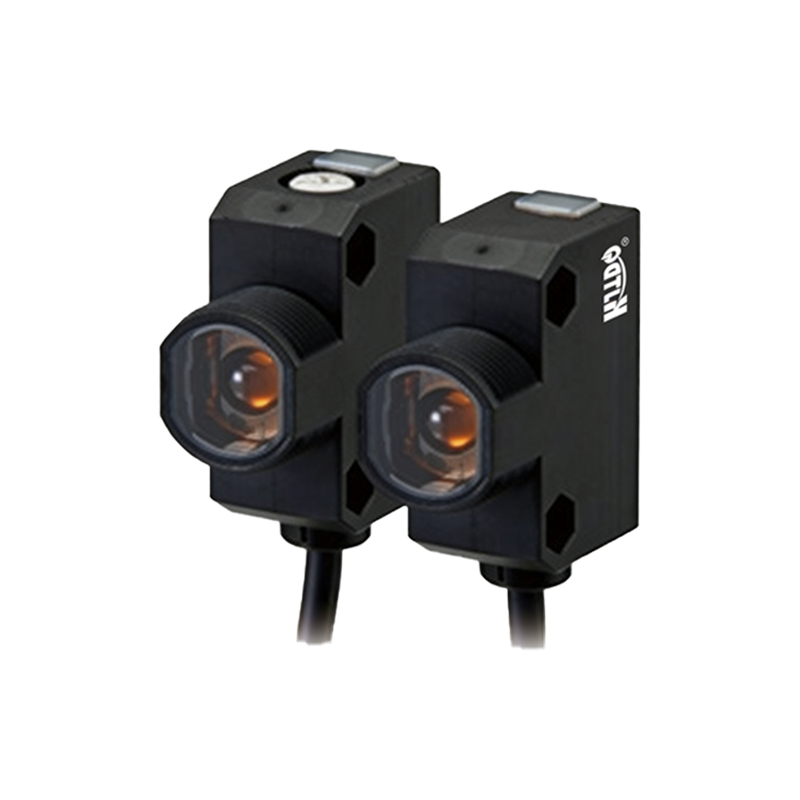
When examining images of U-shaped slot photoelectric sensors, several technical aspects become apparent. First, the slot geometry is paramount; images should clearly depict the U-shaped cutout, which determines the maximum object size detectable. For instance, a sensor with a 5mm slot width is ideal for small parts detection, while wider slots accommodate larger objects. Second, housing material is visible in photos, with common options including ABS plastic for general use or stainless steel for washdown applications. Third, connector types, such as M8 or M12 connectors, are often shown, indicating compatibility with industrial cabling systems. Additionally, LED status lights, usually red or green, are positioned visibly to signal power and output states, facilitating quick diagnostics. Engineers rely on these visual cues to assess environmental ratings like IP67 for dust and water resistance, ensuring reliability in demanding settings.
Applications Illustrated Through Imagery
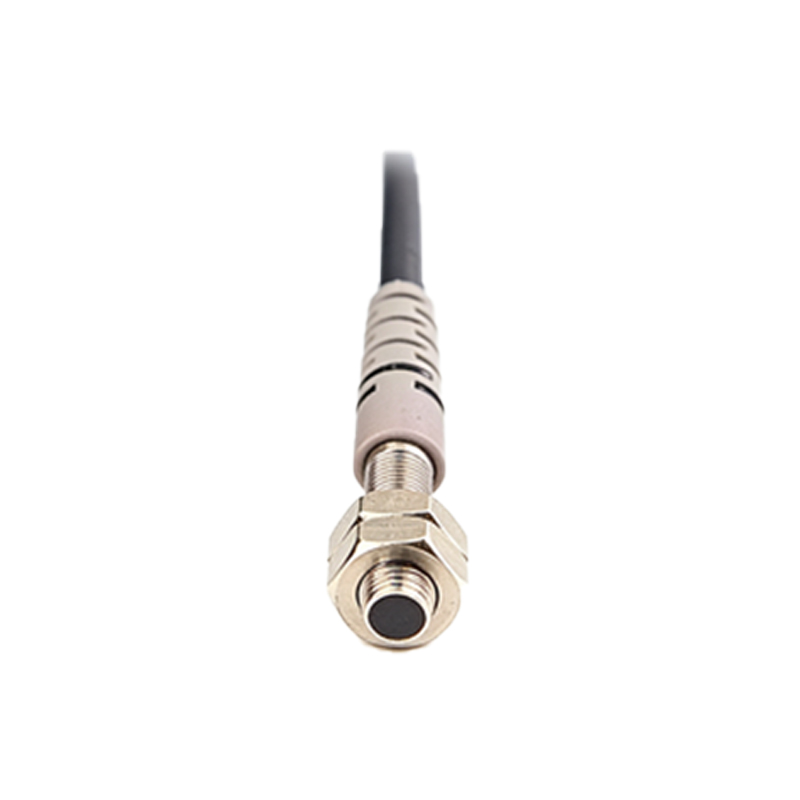
Photographs of U-shaped slot sensors in action provide valuable insights into their practical applications. In conveyor systems, images might show sensors mounted along production lines, detecting items like bottles or packages as they pass through the slot. In packaging machinery, close-up shots demonstrate how sensors verify the presence of labels or caps by sensing interruptions in the light beam. Another common application is in material handling, where images depict sensors counting objects on high-speed assembly lines. For example, a sensor image could illustrate its use in detecting misaligned components in automotive manufacturing, with the U-shaped design allowing easy integration around moving parts. These visuals help engineers visualize installation scenarios, emphasizing the sensor's versatility in industries ranging from food processing to electronics.
Interpreting Technical Specifications from Images
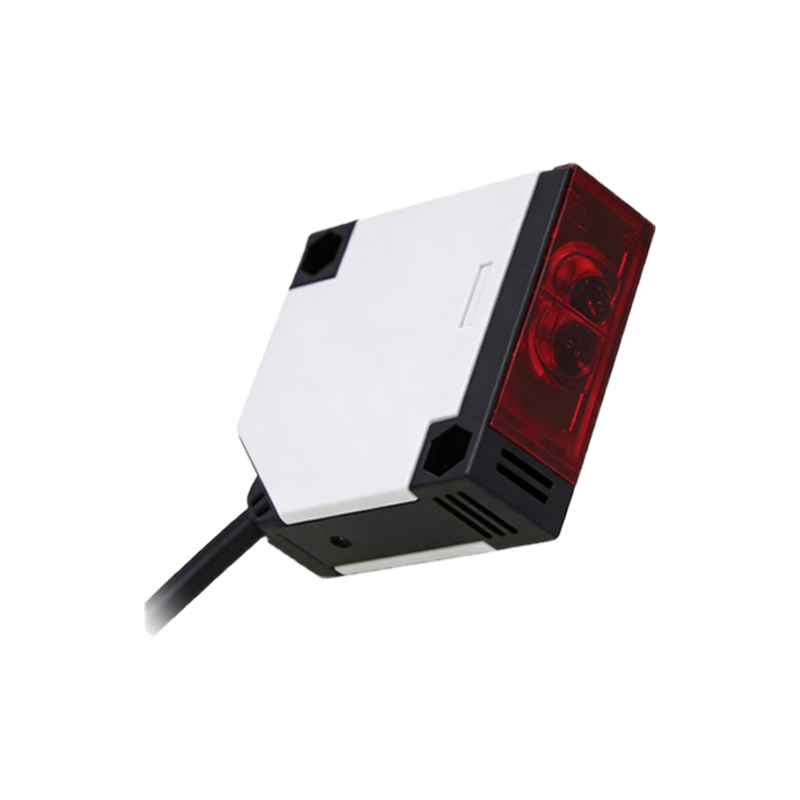
High-resolution images often accompany technical datasheets, enabling engineers to interpret specifications visually. Key details visible in photos include sensing distance, which relates to the slot depth; a deeper slot may allow for longer detection ranges. Output configurations, such as NPN or PNP transistor outputs, are sometimes indicated via labeling on the sensor body. Images may also highlight response time, with fast-response sensors featuring compact designs for high-speed applications. Furthermore, ambient light immunity is suggested by the housing design, which often includes tinted windows to reduce interference from external light sources. By studying these images, engineers can confirm alignment with requirements like operating voltage (e.g., 10-30V DC) and temperature ranges, ensuring optimal performance in specific environments.
Best Practices for Using Sensor Images in Selection
To effectively utilize images when selecting U-shaped slot photoelectric sensors, engineers should follow best practices. Start by reviewing multiple angles, including front, side, and top views, to understand the form factor and mounting options. Look for images that include scale references, such as a ruler or coin, to gauge size accurately. Compare images across different brands to assess build quality and feature variations, like additional shielding for electrical noise protection. Additionally, seek out application-specific images in catalogs or online resources to see how sensors perform in real-world conditions. For instance, a photo showing a sensor in a dusty warehouse can attest to its durability. Always cross-reference images with written specifications to avoid misinterpretation, ensuring the chosen sensor meets both mechanical and electrical needs for projects.
Conclusion: The Value of Visual Data in Engineering
In summary, images of U-shaped slot photoelectric sensors serve as essential tools for engineers, bridging the gap between technical data and practical implementation. They provide immediate visual confirmation of design features, environmental suitability, and application potential. By carefully analyzing these photos, professionals can make informed decisions, reducing errors in selection and installation. As technology advances, expect to see more interactive images, such as 3D models or augmented reality views, enhancing the evaluation process. Ultimately, leveraging high-quality sensor imagery streamlines workflow in industrial automation, contributing to efficient and reliable system designs.