Understanding Proximity Switch Sensor Test Benches
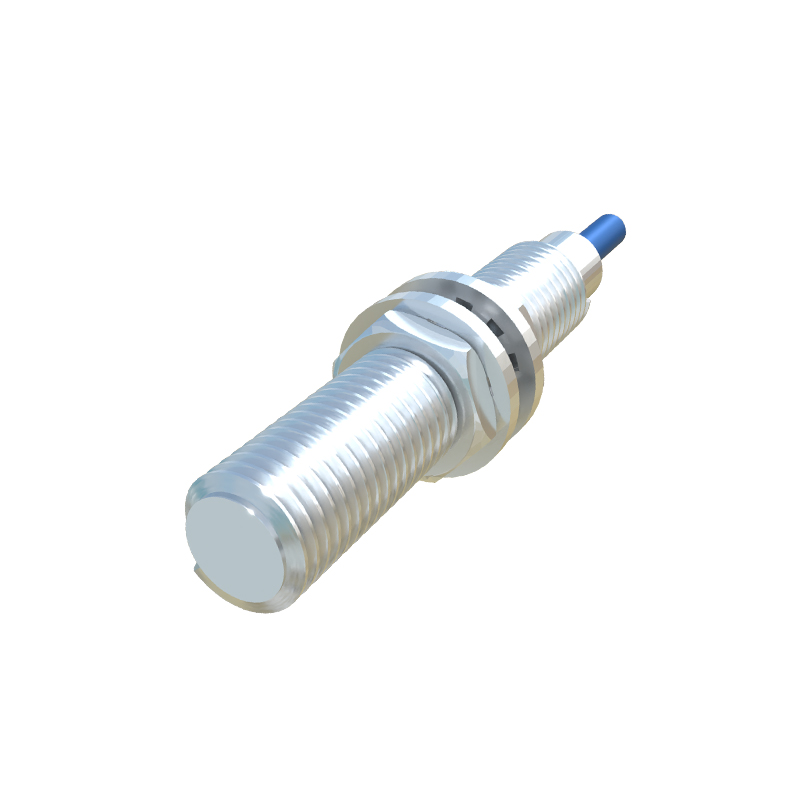
A proximity switch sensor test bench is a specialized piece of equipment designed to verify the functionality, accuracy, and reliability of inductive, capacitive, and magnetic proximity sensors. These benches simulate real-world operating conditions to test parameters such as sensing distance, repeat accuracy, response time, switching frequency, and temperature drift. For engineers and quality control professionals in automation, manufacturing, and automotive industries, investing in a reliable test bench is crucial for ensuring production line efficiency and product quality. The core purpose of such a system is to provide a controlled, repeatable, and efficient method for sensor validation, reducing downtime and preventing faulty components from entering assembly processes.
Key Factors Influencing Test Bench Pricing
The price of a proximity sensor test bench is not a single figure but a spectrum determined by several critical factors. First, the level of automation is a primary cost driver. A basic manual bench for occasional spot-checking is significantly less expensive than a fully automated, computer-integrated system capable of high-volume, unattended testing. Second, the measurement accuracy and capabilities directly impact cost. Benches with high-precision linear actuators, laser measurement systems for exact distance calibration, and sophisticated data acquisition (DAQ) cards command a higher price. Third, versatility matters. A bench configured to test only one specific sensor type and size will be cheaper than a modular, multi-functional system with interchangeable fixtures that can handle a wide range of sensor diameters, shapes (cylindrical, rectangular), and technologies (inductive, capacitive). Finally, software sophistication, including user interface, data logging, statistical process control (SPC) integration, and report generation features, adds considerable value and cost.

Typical Price Range Breakdown
Market prices for proximity switch test benches vary widely based on the aforementioned factors. Entry-level, manual or semi-automatic test stands, often built from standard components, can range from approximately $3,000 to $10,000. These are suitable for small workshops or low-frequency testing. Mid-range systems, which offer good automation, higher accuracy, and basic software for data management, typically fall between $15,000 and $40,000. This is the most common range for dedicated quality labs in medium-sized manufacturing plants. High-end, fully automated test solutions with robotic handling, climate chambers for temperature testing, exceptional precision, and advanced enterprise software integration can easily cost from $50,000 to well over $150,000. These are deployed by large-scale automotive or aerospace suppliers and sensor manufacturers themselves for R&D and rigorous production testing.
Cost of Ownership Beyond Initial Purchase
When evaluating the price, it is essential to consider the total cost of ownership (TCO). This includes installation, calibration, maintenance, and potential future upgrades. A lower-priced bench might have higher long-term costs due to frequent calibration needs, proprietary software licenses, or lack of technical support. Conversely, a more expensive bench from a reputable supplier often comes with comprehensive service agreements, readily available spare parts, and software updates, leading to lower lifecycle costs. Energy consumption and the required skill level for operators are also indirect costs to factor in. Investing in a slightly more expensive but user-friendly and reliable system can lead to greater long-term savings through reduced training time and higher throughput.
Making a Cost-Effective Procurement Decision
To make a wise investment, clearly define your testing requirements. Determine the necessary throughput (sensors per hour), required measurement tolerances, and the variety of sensors to be tested. Request detailed quotations from multiple suppliers, ensuring they itemize costs for hardware, software, installation, and first-year support. Consider the scalability of the system; a modular bench that can be upgraded later might be a better financial decision than an immediately cheaper, fixed-capacity unit. Always ask for a live demonstration or a trial using your own sensors. Finally, evaluate the supplier's reputation, availability of local service engineers, and the clarity of their documentation. The goal is to find the optimal balance between upfront price, operational efficiency, and long-term reliability to maximize your return on investment.