Understanding Proximity Sensor Fundamentals
Proximity sensors are non-contact devices designed to detect the presence or absence of an object within a specific sensing range. They operate on various principles, including inductive, capacitive, ultrasonic, and photoelectric technologies. Inductive sensors detect metallic objects, capacitive sensors can detect both metallic and non-metallic materials, while photoelectric and ultrasonic sensors are versatile for diverse object detection. The core utility lies in their ability to provide reliable, wear-free detection in industrial automation, machinery safety systems, and process control. Their value is immense in applications where physical contact is undesirable or impossible, leading to increased system longevity, precision, and operational safety.
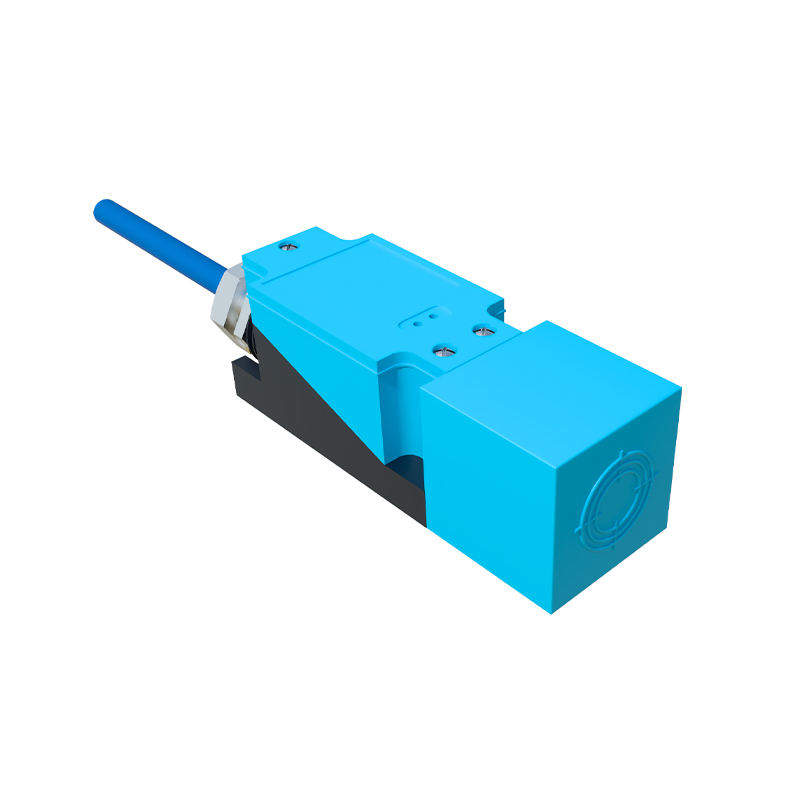
The Critical Question: Are They Waterproof?
The direct answer is: it depends entirely on the specific model and its Ingress Protection (IP) rating. Not all proximity sensors are inherently waterproof. The IP rating, an international standard (IEC 60529), defines the levels of sealing effectiveness against solids and liquids. For waterproof capabilities, the second digit in the IP code is crucial. A rating of IP67 signifies the sensor is dust-tight and can withstand temporary immersion in water (up to 1 meter for 30 minutes). A rating of IP68 or IP69K indicates a higher degree of waterproofing, with IP68 for prolonged immersion under specified conditions and IP69K for protection against high-pressure, high-temperature water jets. Therefore, engineers must meticulously select sensors with an IP rating appropriate for the application's environmental conditions.
Why Waterproofing is a Game-Changer for Utility
Waterproofing dramatically expands the sensor's usefulness and reliability in challenging environments. In industries like food and beverage processing, chemical manufacturing, wastewater treatment, and outdoor machinery, exposure to water, coolants, oils, and high-pressure washdowns is commonplace. A waterproof proximity sensor ensures consistent operation despite splashes, spills, humidity, and direct cleaning procedures. This capability prevents false triggers, sensor failure, and costly production downtime. The usefulness of the sensor is directly tied to its resilience; a waterproof sensor is not just a component but a robust solution that maintains system integrity in damp or wet conditions, thereby enhancing overall equipment effectiveness (OEE).
Key Applications Showcasing Their Usefulness
The synergy of proximity detection and waterproofing unlocks critical applications. In automated packaging lines, waterproof sensors reliably detect products on conveyors even in humid or frequently cleaned environments. Within hydraulic systems, they monitor piston position without succumbing to fluid leaks. Marine and offshore equipment relies on them for level sensing and safety interlocks. In agricultural machinery, they function flawlessly despite dust and rain. Furthermore, in automotive assembly, IP69K-rated sensors withstand high-pressure sterilization washes. Each application underscores that the sensor's usefulness is contingent upon its environmental robustness. The waterproof feature transforms it from a simple detector into a durable and indispensable asset for continuous, maintenance-light operation.
Selection Criteria for Optimal Performance
Choosing the correct waterproof proximity sensor requires a systematic approach. First, define the environmental exposure: Is it occasional splash, continuous immersion, or high-pressure cleaning? This determines the required IP rating. Second, consider the sensing technology: inductive for metals, capacitive for varied materials, etc. Third, evaluate the electrical output (PNP/NPN, analog, IO-Link) and supply voltage compatibility with the control system. Fourth, assess mechanical factors like housing material (stainless steel is often used for corrosive environments), size, and mounting style. Finally, factor in the sensing range and any required certifications (e.g., FDA for food contact). A sensor selected against these criteria will deliver maximum usefulness and reliability.
Installation and Maintenance Best Practices
Even a perfectly rated sensor can fail if installed incorrectly. Ensure the housing and cable gland (if present) are properly sealed according to the manufacturer's torque specifications. The sensing face should be clean and free from buildup, as accumulated grime can attenuate signals, especially in capacitive models. For flush-mounted inductive sensors, ensure the surrounding metal is non-ferritic to prevent reduction of the sensing range. Regular maintenance should involve visual inspection for physical damage and verification of the seal integrity. While waterproof sensors are designed to be resilient, proactive checks prevent gradual degradation of the sealing elements, ensuring long-term usefulness and preventing ingress that could lead to internal corrosion or short circuits.
Conclusion: An Essential Combination for Modern Industry
Proximity sensors are fundamentally useful devices for industrial automation. The attribute of being waterproof is not a mere optional feature but a critical determinant of their applicability and functional lifespan in real-world settings. By understanding IP ratings, carefully matching the sensor to the application's environmental and technical demands, and following sound installation practices